
Last updated November 16, 2026
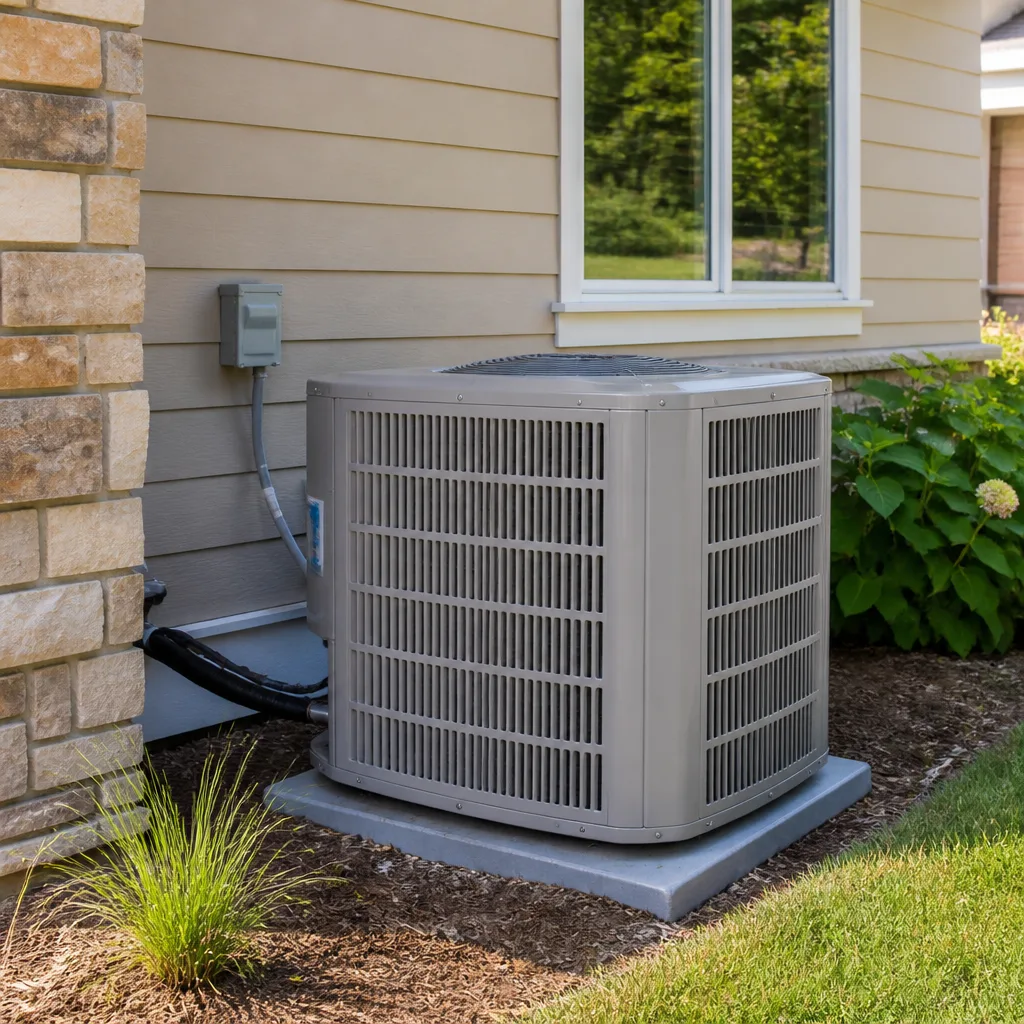 AC repair
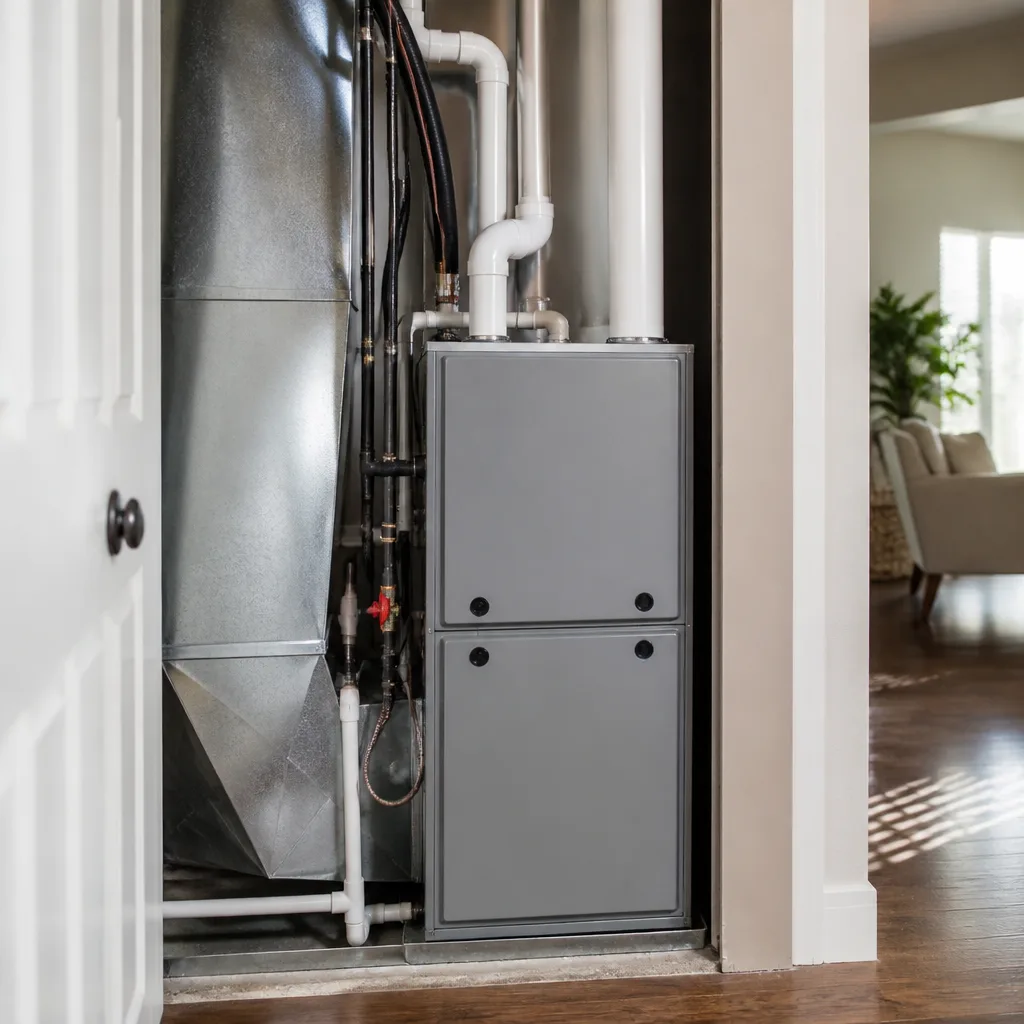 Furnace & heating
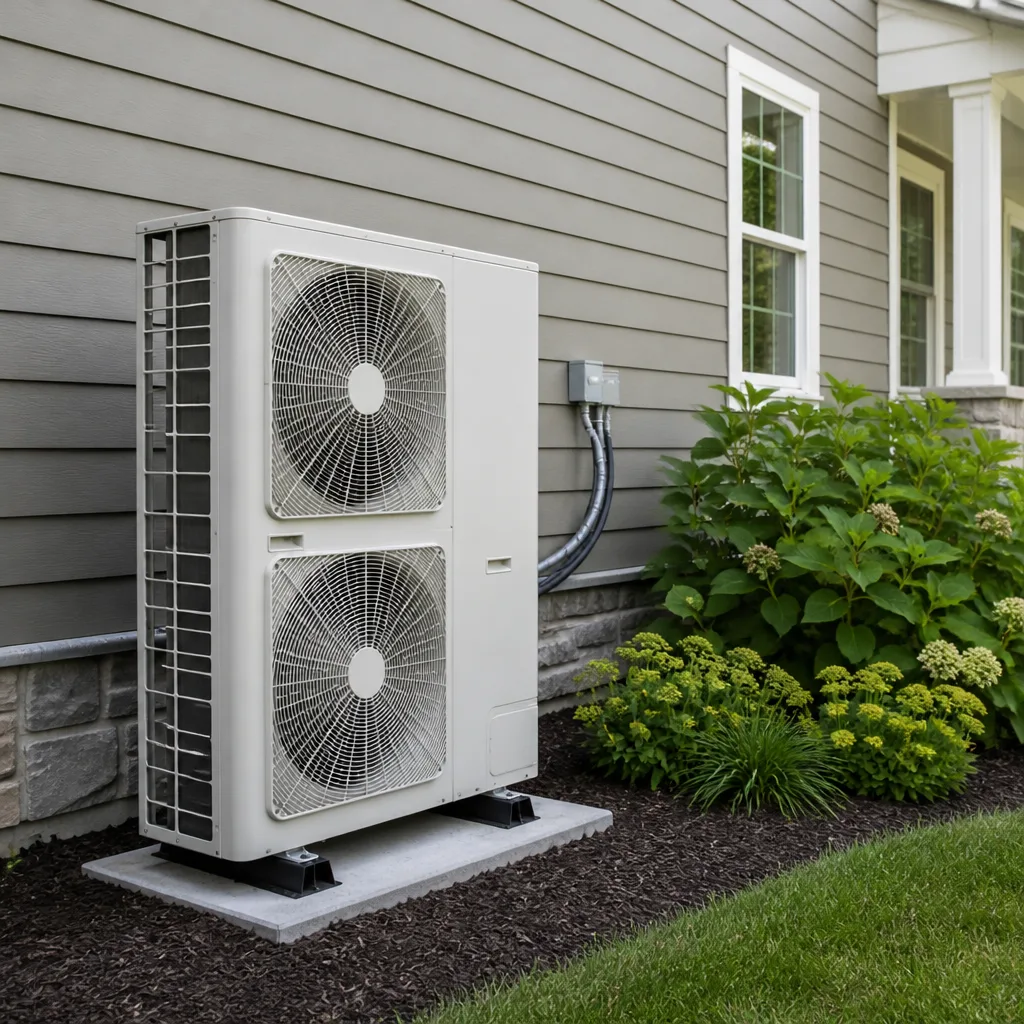 Heat pumps
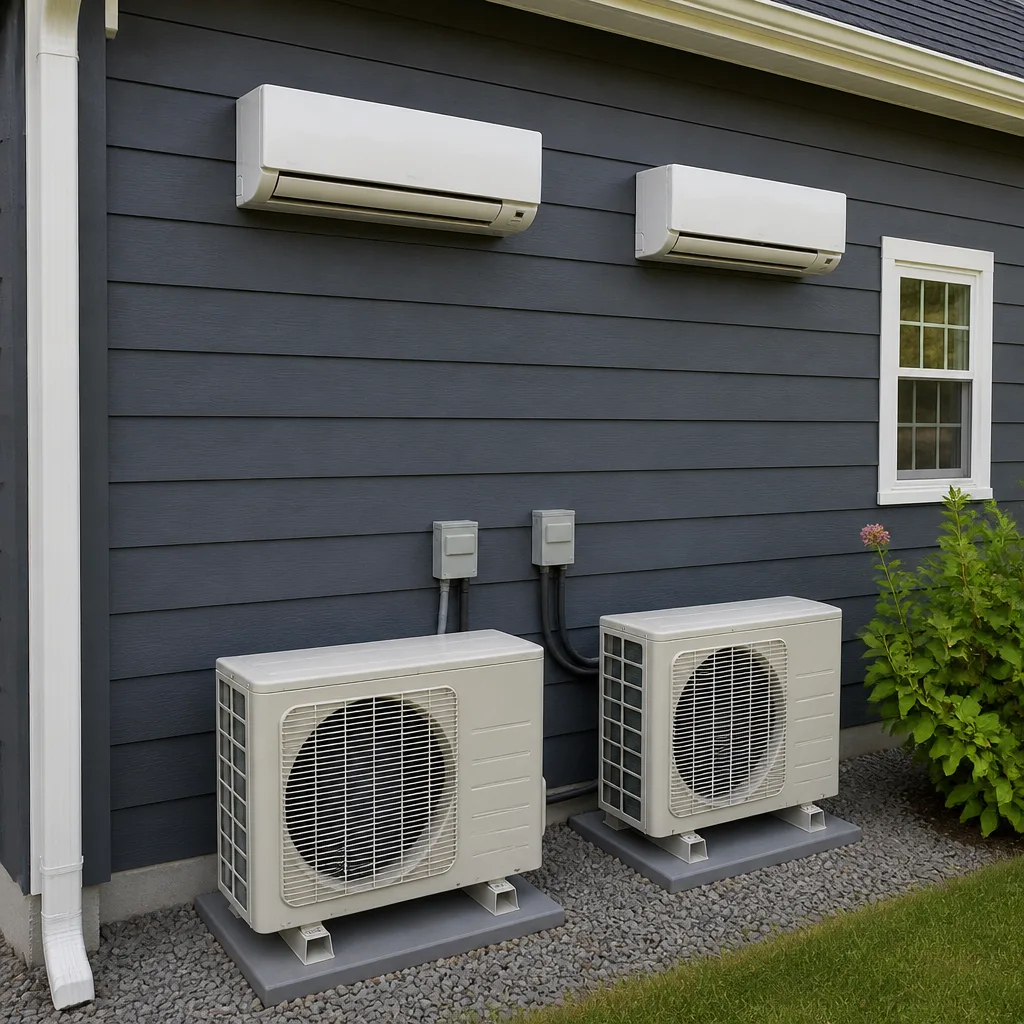 Ductless mini splits
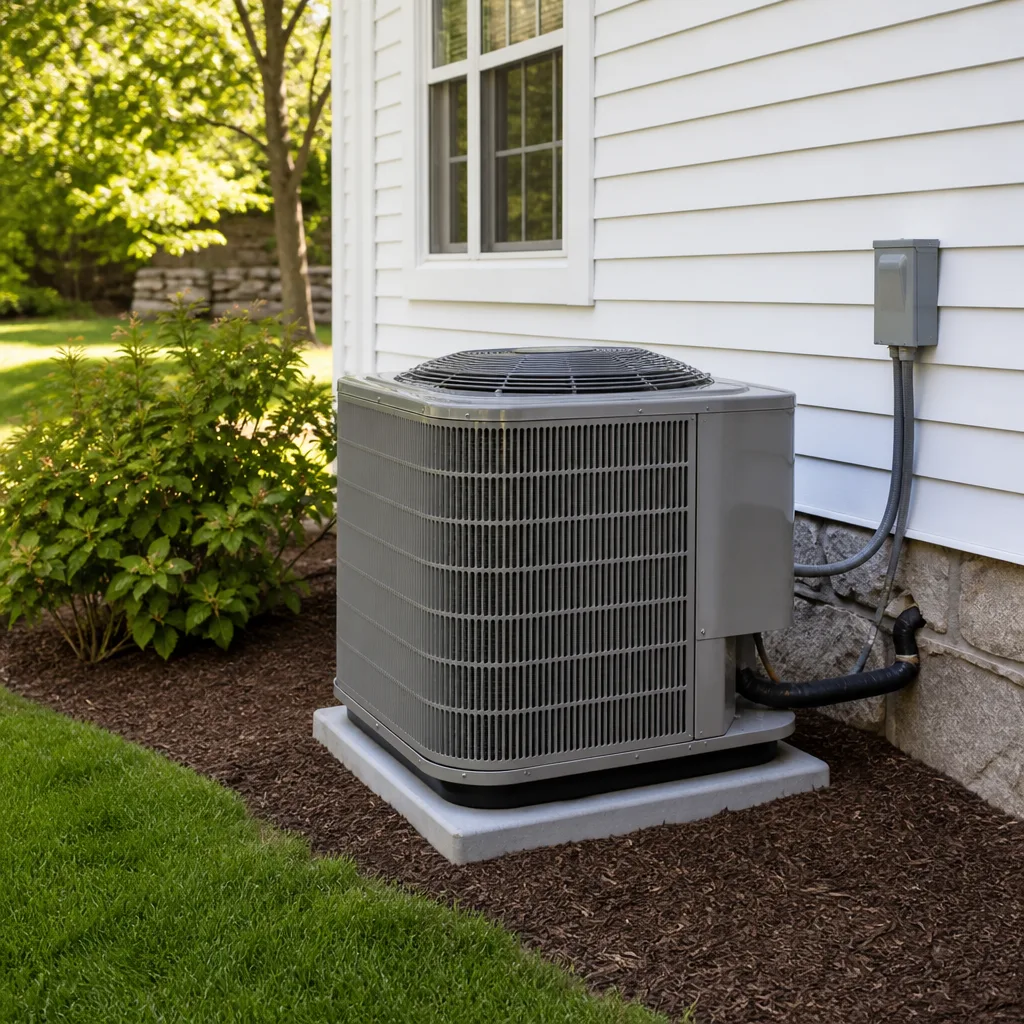 Carrier
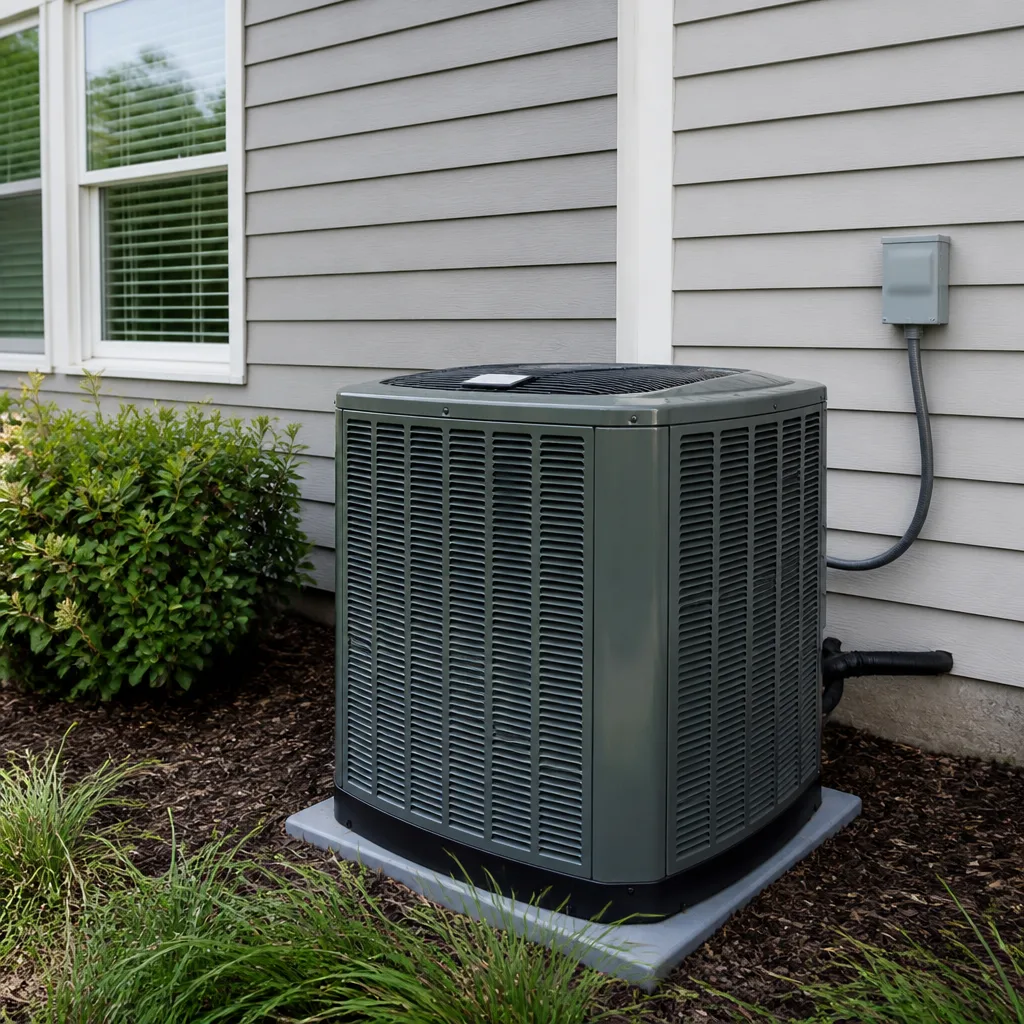 Trane
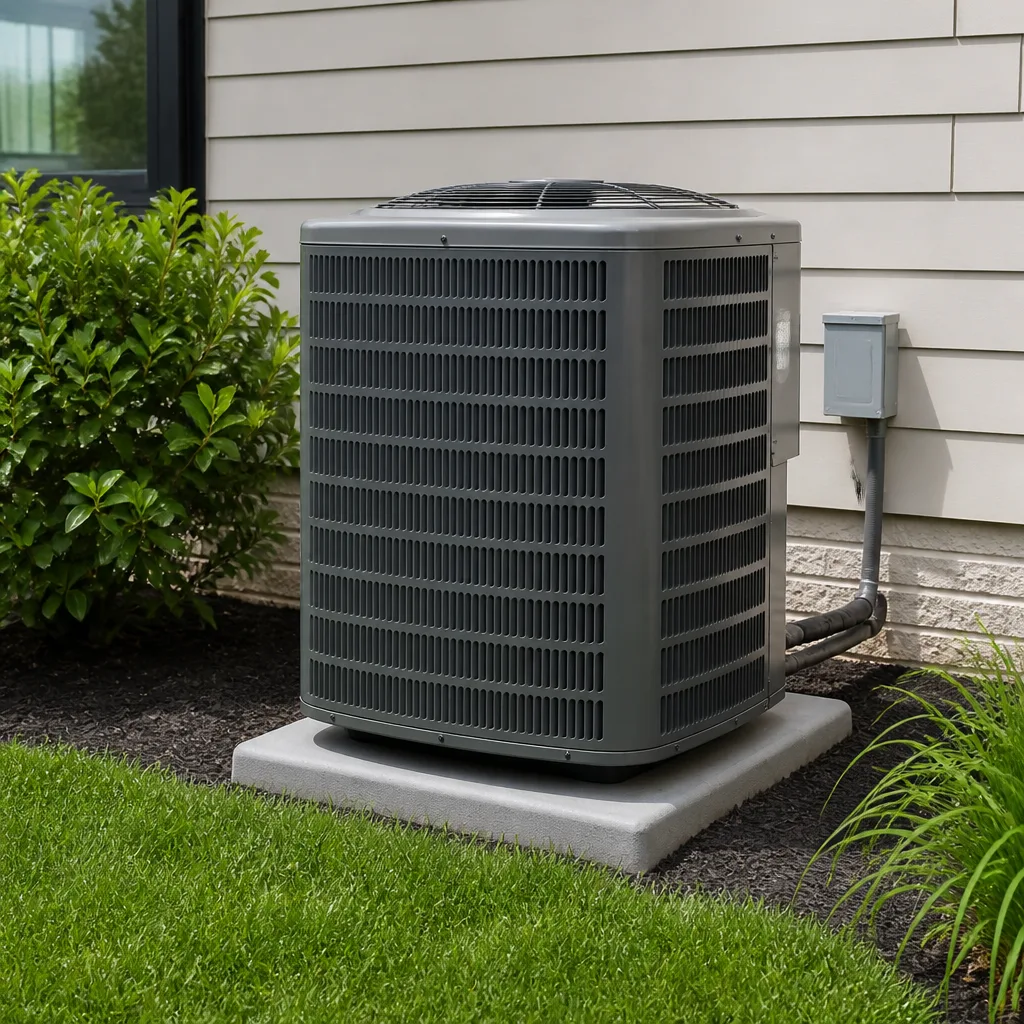 Goodman
Seasonal tune-up and full diagnostic on your Carrier, Trane, or Goodman system - readings shown to you before any repair is proposed
Diagnosis first, numbers second - you approve the repair price before a single part goes in.
Get your free estimateSeasonal HVAC Care for El Monte: Year-Round Homeowner’s Guide
Most HVAC advice you’ll find online assumes four roughly equal seasons. El Monte doesn’t work that way. What we actually get is one long, aggressive cooling season that starts pushing equipment in late spring, a short but genuinely cold heating window in winter, and two shoulder periods in between where almost nothing gets done. October is the most neglected month on the calendar here. Summer stress damage sits unrepaired, heating systems go unchecked before the first cold snap, and that’s precisely when both tend to fail at once. This guide walks through a month-by-month care calendar built around El Monte’s real weather, not a national template. You’ll learn when to service what, which tasks combine into one visit, and how to spot trouble early.
Styles & brands we work with
- AC repair
- Furnace & heating
- Heat pumps
- Ductless mini splits
- Carrier
- Trane
- Goodman
Quick Answer
Seasonal HVAC care in El Monte follows a different rhythm than most of the country: service your AC in March or April before peak demand, check your heating system in October before the first cold snap, and use the two shoulder periods to combine tune-ups, filter changes, and coil cleaning into fewer service calls. The single highest-value habit is spring AC service, because it catches refrigerant and capacitor problems while wait times are still short.
Table of Contents
- The El Monte HVAC Calendar: Month by Month
- Why March and April Are the Best Months for AC Service
- What Shoulder Season Maintenance Actually Means
- Santa Ana Winds and Your Air Handler
- Spring Tune-Up vs. Fall Furnace Check: What’s Different
- Dual-System Homes: Getting Both Sides on One Schedule
- Common Mistakes to Avoid
- When to Call a Professional
- Frequently Asked Questions
- The Bottom Line
The El Monte HVAC Calendar: Month by Month
A generic national maintenance schedule tells you to “service in spring and fall.” That’s not useful in El Monte, where spring arrives early and fall arrives late. Here’s a calendar built around what the weather here actually does:
- January and February: Heating season in full swing. Watch for weak airflow, odd smells on startup, and short cycling. This is peak demand for furnace repair, so call early if something feels off.
- March and April: The highest-value window for AC service. Temperatures are mild, equipment hasn’t been stressed yet, and scheduling is easier than in summer.
- May and June: Cooling season ramps up hard. Filters need attention more often because the system is running daily.
- July and August: Peak cooling load. This is when neglected systems fail. Keep filters clean, keep the outdoor unit clear, and don’t ignore unusual noises.
- September: Summer stress shows up now. Capacitors, contactors, and refrigerant charge issues that developed under load surface during the final hot stretch.
- October: The most neglected month in El Monte. Summer damage goes unrepaired, heating systems sit unchecked, and the first cold snap catches both sides off guard.
- November and December: Heating window. Furnace checks pay off here, plus any remaining summer repairs.
Notice what’s missing: the two shoulder periods (roughly late spring and early fall) are when you have the most flexibility to schedule. El Monte homeowners who use those windows get faster appointments and fewer surprises. Our technicians have up to 15 years of experience, and the pattern we see year after year is the same: the calls that come in during a heat wave or cold snap are almost always for problems that existed weeks earlier.
Why March and April Are the Best Months for AC Service
The March – April window is the highest-value time to service your AC in El Monte. Demand for AC installation and repair climbs steeply going into summer, and scheduling gets tighter as the season heats up. Getting ahead of that curve matters.
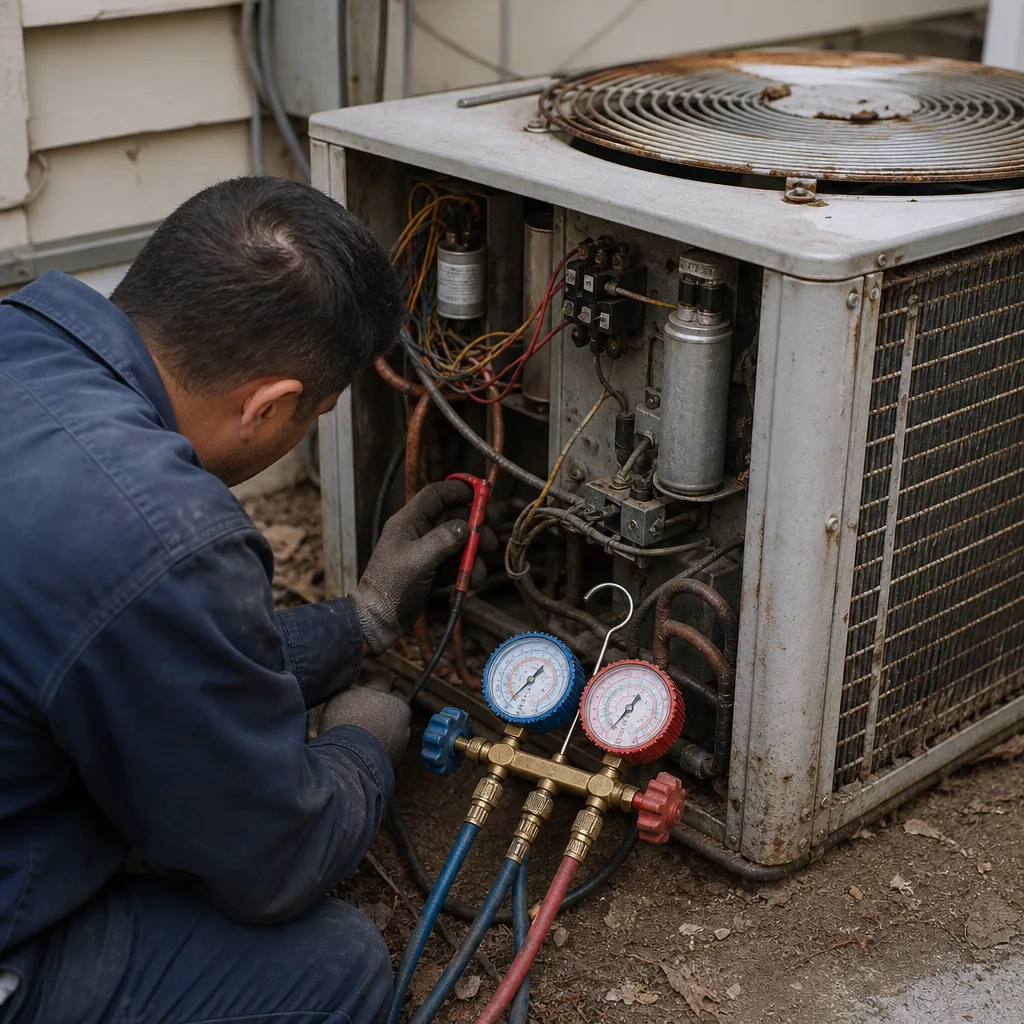
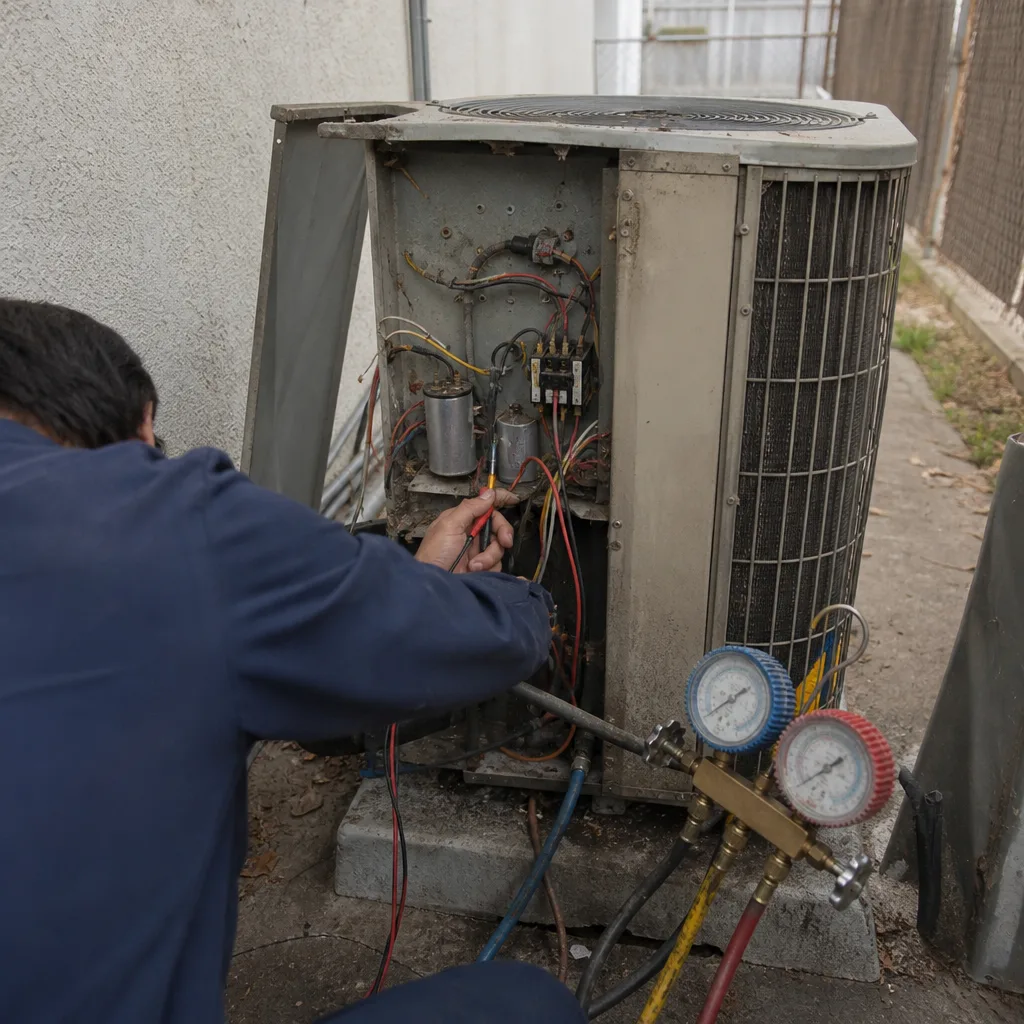
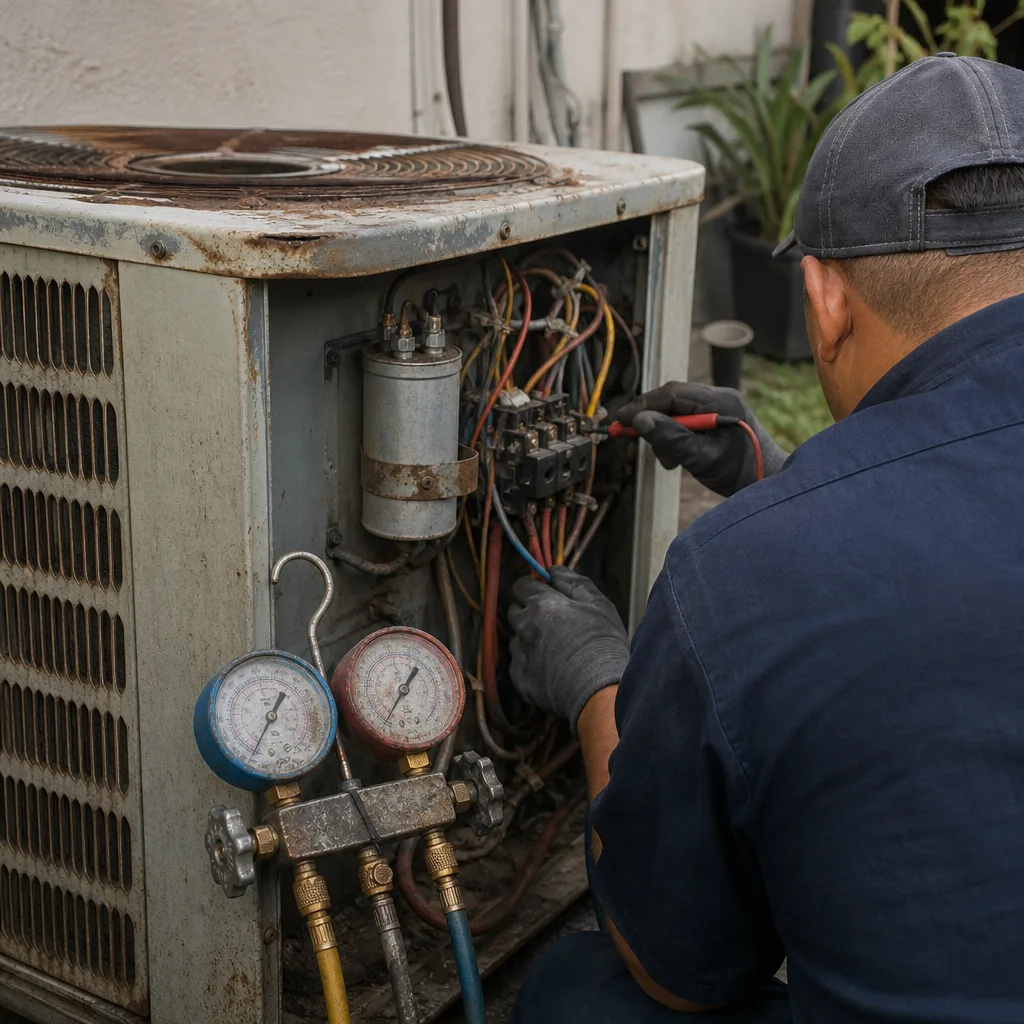
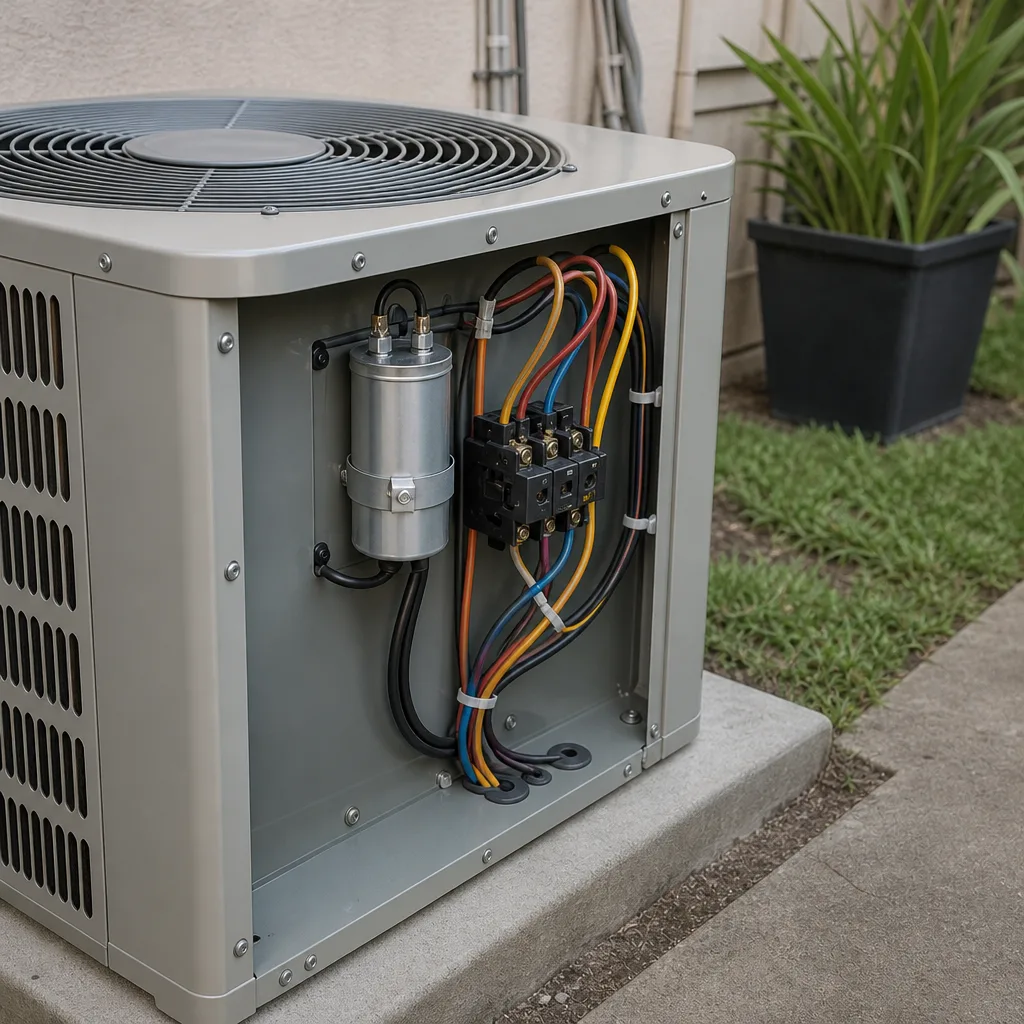
Here’s what actually happens during an early-season AC visit. Technicians check refrigerant charge, which matters because a system undercharged in March will run hotter and work harder in July. They inspect capacitors and contactors, the small electrical parts that fail most often under heat stress. They clean the condenser coil, so airflow isn’t restricted when demand peaks. They test the blower and verify thermostat calibration. Most of these tasks are quick when the system is cool and running light.
The other reason to service early is diagnostic. When temperatures are mild, it’s easier to tell whether a system is cooling properly. In July, a marginal system can feel fine until it doesn’t. Catching that early means you’re not making an emergency call during the hottest week of the year.
If your system is aging, the spring window is also the right time to talk about replacement. AC Repair El Monte handles AC installation, furnace repair, and furnace replacement, so the conversation about equipment stays in one place. New equipment needs to be right-sized and scheduled, not rushed. Planning in March means the work gets done before you need it, not after.
Practical steps for the March – April window:
- Schedule a professional AC inspection before demand spikes.
- Replace your air filter, then note the date so you can track the interval.
- Clear debris and vegetation from around the outdoor condenser unit.
- Test the system on a mild day and listen for unusual sounds.
- Note any rooms that feel warmer than others, since that’s often the first clue of an airflow issue.
What Shoulder Season Maintenance Actually Means for a Dual-System Home
“Shoulder season” in El Monte isn’t a single month. It’s the transitional windows when neither heating nor cooling is running hard. For a home with both an AC and a furnace, these periods are the most efficient time to service both sides in one visit.
Here’s the thing most homeowners miss: a dual-system home has two sets of components that share some infrastructure but not all. The air handler, the filter, the ductwork, and the thermostat are shared. The condenser and compressor are cooling-only. The furnace’s burners, heat exchanger, and ignition system are heating-only. A shoulder-season visit can cover the shared parts once and the seasonal parts on a rotating schedule.
What a combined visit typically covers:
- Filter replacement (one filter for the whole system, so it serves both seasons)
- Air handler inspection: blower wheel, belt condition, and cabinet cleanliness
- Thermostat check and calibration for both heating and cooling modes
- Condensate drain line clearing, which prevents water damage year-round
- Ductwork inspection for obvious gaps or crushed sections
What gets deferred to the seasonal visit: refrigerant charge measurement on the cooling side, and combustion safety checks on the heating side. Those tasks belong to their respective seasons because each one is best tested when that side is actually running. Scheduling the shared work in a shoulder period saves you a service call and keeps both systems on the same maintenance cycle. For homes running American Standard or Carrier equipment, that single-visit approach also makes it easier to keep a clear service history, since the same team sees both sides.
One more note on timing: in El Monte, the late-spring shoulder window runs roughly from mid-April into early May, and the fall shoulder window runs from mid-September through October. Those are the practical bookends for combining tasks.
Santa Ana Winds and Your Air Handler
Santa Ana wind events hit El Monte in fall, and they do something specific to HVAC systems: they drive fine dust and grit into the air handler and the return duct. You won’t always notice it immediately. What you notice is reduced airflow weeks later, or a filter that looks like it aged months in a handful of days.
The 48-hour window after a major wind event is the most important. Here’s what to do:
- Check the filter. Pull it and hold it up to light. If you can’t see through it, replace it. A clogged filter during a wind event is the fastest way to strain your blower.
- Inspect the return grille. Visible dust buildup on the return vent is a sign that grit made it into the ductwork.
- Wipe down the outdoor unit. Dust settles on condenser fins and reduces efficiency. A gentle rinse after the wind dies down helps.
- Listen for changes. A blower that sounds louder or a system that cycles more often after a wind event usually points to a restricted filter or a dusty coil.
- Don’t run the system during the worst of the wind if you can avoid it. Every hour of operation during a dust event pulls more grit into the filter and ductwork.
If your system was already marginal before the winds, a post-event check by a technician can confirm whether anything was pulled loose or clogged beyond the filter. Desert and valley air carries more particulate than most homeowners realize, and El Monte sits squarely in that pattern. A dusty air handler also runs hotter, which shortens the life of capacitors and motors. This is exactly why the fall shoulder window matters. Combining a post-wind filter change with a fall furnace check keeps both sides in good shape before the heating season starts.
Spring Tune-Up vs. Fall Furnace Check: What’s Different
Homeowners often assume a spring tune-up and a fall furnace check are the same visit with a different label. They aren’t. The tasks, tools, and safety focus are different, and treating one like the other leaves gaps.
A spring AC tune-up focuses on the cooling side:
- Measure refrigerant charge and check for leaks
- Test capacitors, contactors, and the compressor’s electrical draw
- Clean the condenser coil and verify airflow
- Check the condensate drain and float switch
- Verify thermostat cooling calibration
A fall furnace check focuses on the heating side, and it carries a different safety dimension:
- Inspect the heat exchanger for cracks
- Test the ignition system and flame sensor
- Check combustion and venting
- Verify the blower’s heating-mode operation
- Test safety switches and limit controls
The heat exchanger and combustion checks on a gas furnace are safety-critical. A cracked heat exchanger can allow combustion byproducts into the air your family breathes, and this is not something to inspect yourself. A trained technician has the tools and training to test for it properly, and if something looks wrong, stop using the furnace and have it checked before running it again. Carbon monoxide is colorless and odorless, so the only reliable confirmation comes from a professional inspection.
We work on nine major manufacturers, including Bryant, American Standard, Carrier, Trane, Lennox, Goodman, Rheem, York, and Daikin. That range matters here because furnace safety checks vary by design: the combustion sequence, heat exchanger layout, and safety switch configuration differ from brand to brand. A technician who knows your equipment isn’t guessing at where to look or how to interpret what they find. No-guesswork diagnosis is the difference between a check that catches a problem and one that misses it.
Dual-System Homes: Getting Both Sides on One Maintenance Schedule
If your home has both central air and a furnace, or a package unit, getting both sides serviced on a single schedule is more efficient than treating them as separate systems. It’s one phone call, one service history, and one set of technicians who know the full picture.
The practical schedule for a dual-system home in El Monte:
- Spring (March – April): Full AC tune-up, including refrigerant and electrical checks.
- Fall (October): Full furnace check, including heat exchanger and combustion safety.
- Shoulder windows: Filter changes, blower inspection, condensate drain clearing, and thermostat checks.
This split keeps each side serviced in the season it matters without doubling the number of visits. It also means the shared components get inspected twice a year, which is genuinely useful because the air handler is where a lot of problems start.
For homes considering a planned upgrade rather than a repair, a right-sized replacement matters. Furnace replacement isn’t just swapping one box for another of the same size. It requires a proper load calculation and a check that the existing ductwork and venting can support the new unit. Getting that wrong creates comfort problems and safety issues down the line. The same principle applies to AC installation: a system that’s oversized for the home cools unevenly and short cycles, which wears it out faster. Our recommendations are driven by the home and the existing equipment, not by a single manufacturer’s inventory. When the weather shifts, the last thing you want to be doing is chasing wait times for a system that was never sized correctly.
Common Mistakes to Avoid
- Treating October like an afterthought. It’s the most neglected HVAC month in El Monte, and it’s precisely when summer damage and unchecked heating systems show up. Service both sides before the cold snap, not after.
- Waiting for a heat wave to service the AC. Peak demand tightens scheduling and makes every repair more urgent than it needs to be. March and April service gets the same work done with room to breathe.
- Skipping the filter after a Santa Ana event. Dust moves fast through a system, and a filter that’s loaded after a wind event strains the blower every hour it runs.
- Assuming a spring tune-up covers the furnace. It doesn’t. Heat exchanger and combustion checks are heating-season tasks and a separate part of the service.
- Replacing equipment without a load calculation. Swapping a unit for the same-size model without assessing the home can leave the new system oversized or undersized, which is a comfort problem and a longevity problem at once.
- Ignoring shoulder-season scheduling. The two shoulder periods are the easiest time to combine visits. Waiting until the season is already underway adds a call and usually a delay.
- Treating unusual smells or sounds as normal. A furnace that smells odd on startup or an AC that sounds different during the first hot week is worth a diagnostic visit, not a wait-and-see approach.
When to Call a Professional
Some things are worth a weekend of waiting. These aren’t: a furnace that smells like burning on startup, an AC that runs but doesn’t cool, water pooling near the air handler, a system that short cycles, or any gas smell at all. Those warrant a call today, not next week. Gas smells in particular should prompt you to leave the area and contact your gas utility before anyone works on the equipment.
Other signs that point to a professional visit include an unusual screech or grinding from the outdoor unit, repeated tripped breakers, refrigerant lines that frost over, and rooms that have never cooled evenly. Each of these usually points to a specific issue that a trained technician can diagnose quickly. In our experience across El Monte, the calls that turn into long repairs are the ones that started as a small symptom someone hoped would go away. Fast dispatch from 7am to 7pm, Sunday through Friday, gets you an answer the day you call. AC Repair El Monte offers free estimates in El Monte, and the written estimate sets the final price. Call (833) 943-2930.
Frequently Asked Questions
March or April is the best time to service your AC in El Monte. Temperatures are mild enough that the system can be tested properly without stressing it, and demand for AC service hasn’t yet hit its summer peak, so scheduling is usually easier. Call (833) 943-2930 for a free estimate.
October is when summer stress damage shows up and heating systems haven’t been checked yet, so it’s the month when unresolved problems on both sides become most visible. It’s also the last practical window before the first cold snap, which means a furnace check in October has a real chance of catching a problem before you need the heat. Call (833) 943-2930 to schedule.
No. A spring tune-up focuses on the cooling side, covering refrigerant charge, capacitors, condenser coil cleaning, and condensate drain checks. A fall furnace check focuses on the heating side, covering the heat exchanger, ignition system, combustion, venting, and safety controls. Both are necessary, and neither replaces the other. Call (833) 943-2930 for a free estimate on either service.
Within 48 hours. Santa Ana winds push enough fine dust into the system that the filter can load up faster than usual, and a restricted filter strains the blower every hour it runs. Check the filter, inspect the return grille, and rinse the outdoor condenser once the wind drops. Call (833) 943-2930 if airflow doesn’t recover after the filter change.
Yes. We handle AC installation, furnace repair, and furnace replacement, and we work on equipment from nine major manufacturers, including Carrier, Trane, Bryant, American Standard, Lennox, Goodman, Rheem, York, and Daikin. That means both sides of your system can be serviced by the same team without juggling contractors. Call (833) 943-2930 for a free estimate.
Often, yes, especially during the shoulder windows in late spring and early fall. Filter changes, blower inspection, thermostat checks, and condensate clearing can be done in one visit. Refrigerant checks and combustion safety checks are usually best done in their respective seasons, so the full picture of a dual-system home is two seasonal visits plus shared tasks in between. Call (833) 943-2930 with your equipment details for a free estimate.
The Bottom Line
El Monte doesn’t have four equal seasons, and your HVAC care shouldn’t pretend it does. Service the AC in March or April, before demand climbs. Check the furnace in October, before the first cold snap. Use the shoulder periods to handle filters, blowers, drains, and thermostats in one visit. Pay attention in the 48 hours after a Santa Ana wind event. And treat October as the month that decides whether your system enters winter in good shape or on borrowed time. That’s the whole calendar. For help getting your systems on it, El Monte homeowners can reach us at (833) 943-2930 for a free estimate. We answer 24/7. Fast dispatch, 7am-7pm, Sunday through Friday. Our technicians have up to 15 years of experience and work on your brand, so the diagnosis is specific and the recommendation is built for your system. Heating and cooling covered by one call.
Written by the team at AC Repair El Monte.
See the difference
 Before
 After
 Before
 After
 Before
 After