
Last updated November 16, 2026
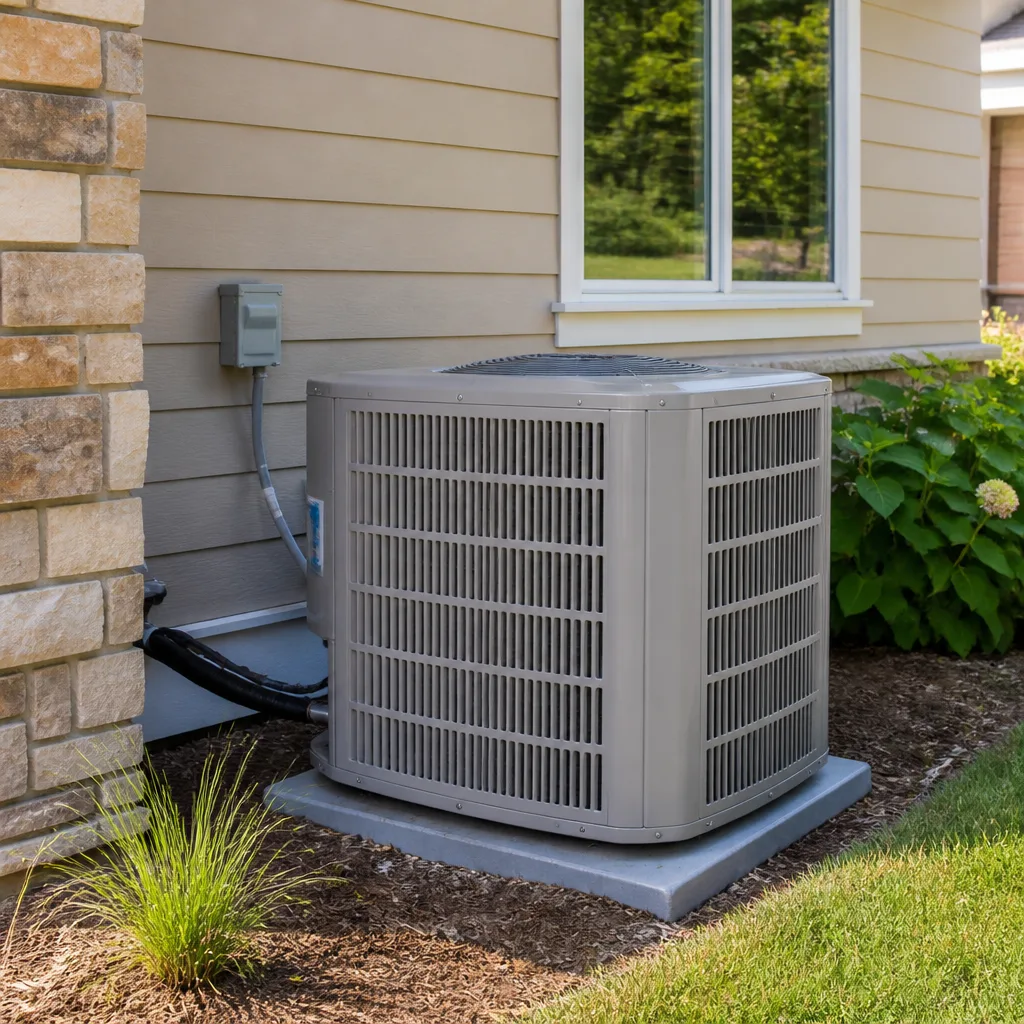 AC repair
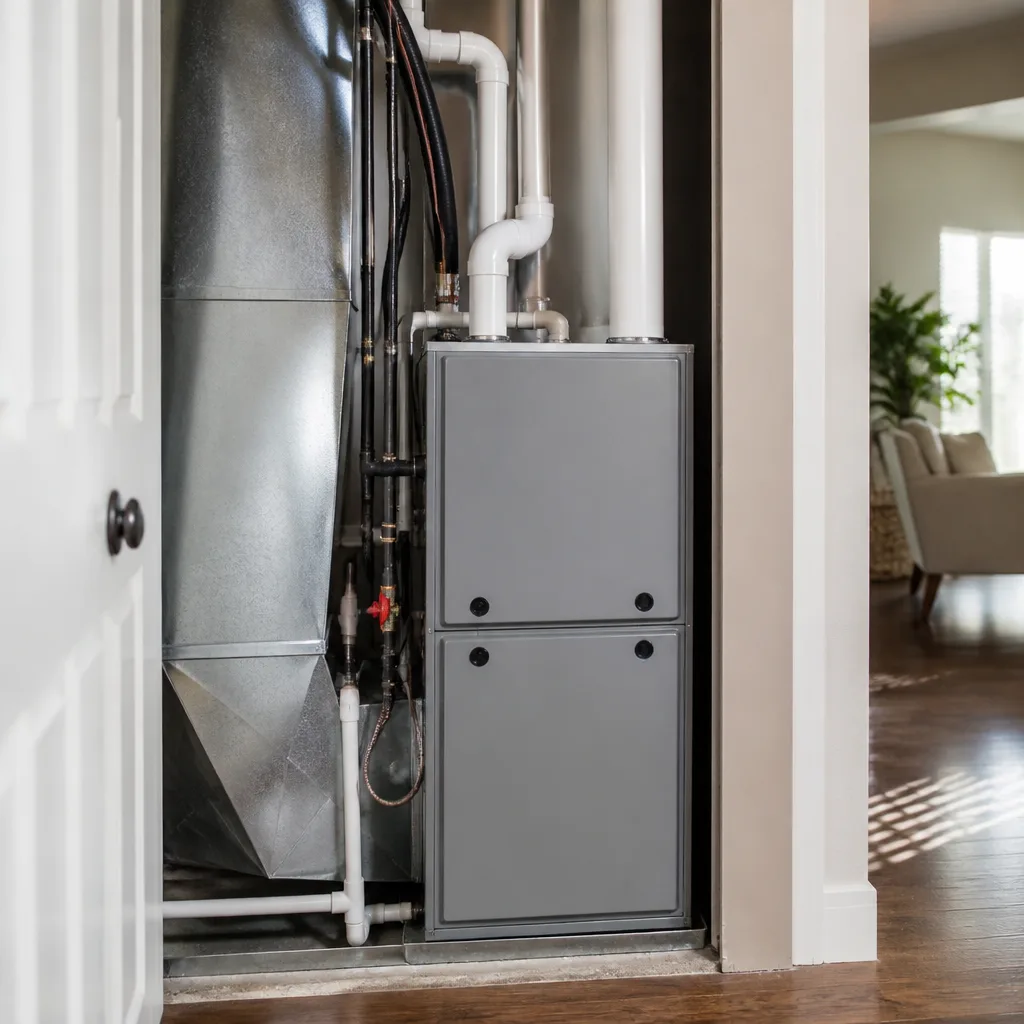 Furnace & heating
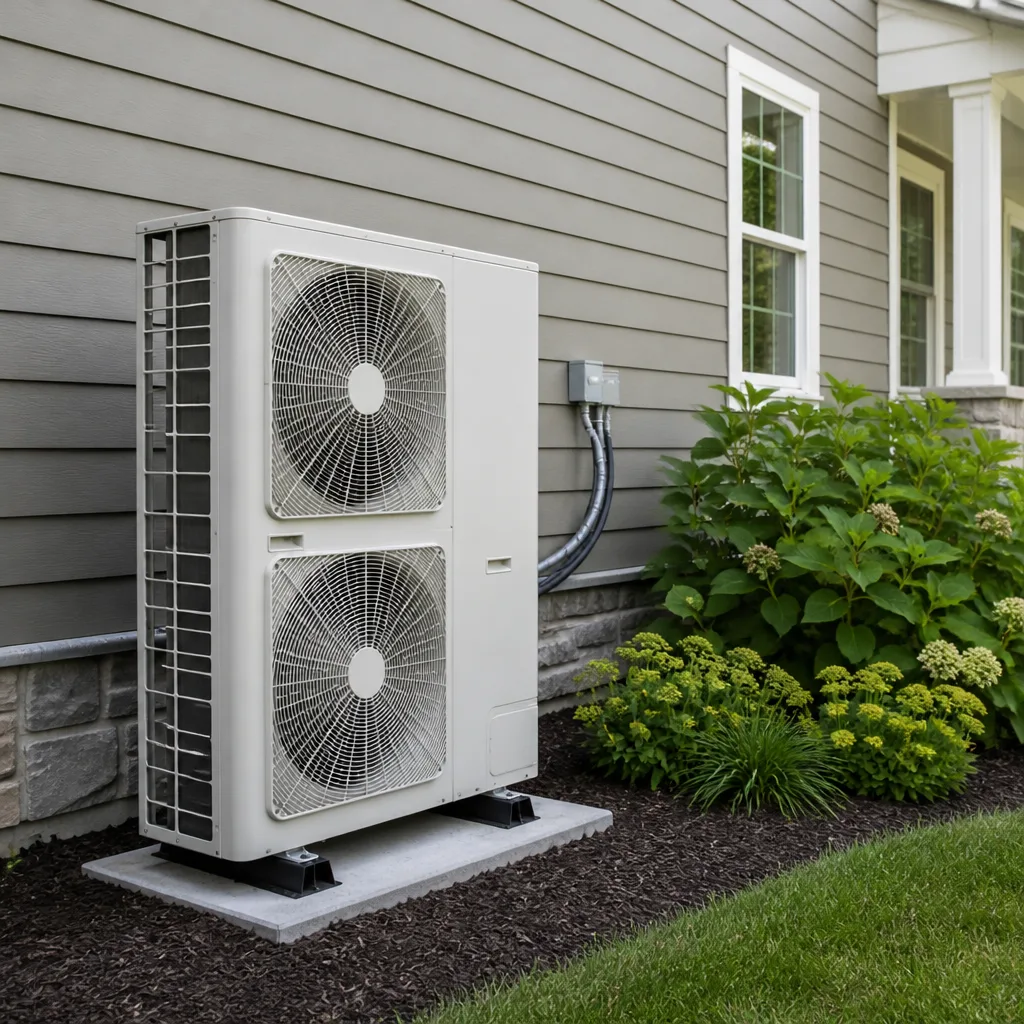 Heat pumps
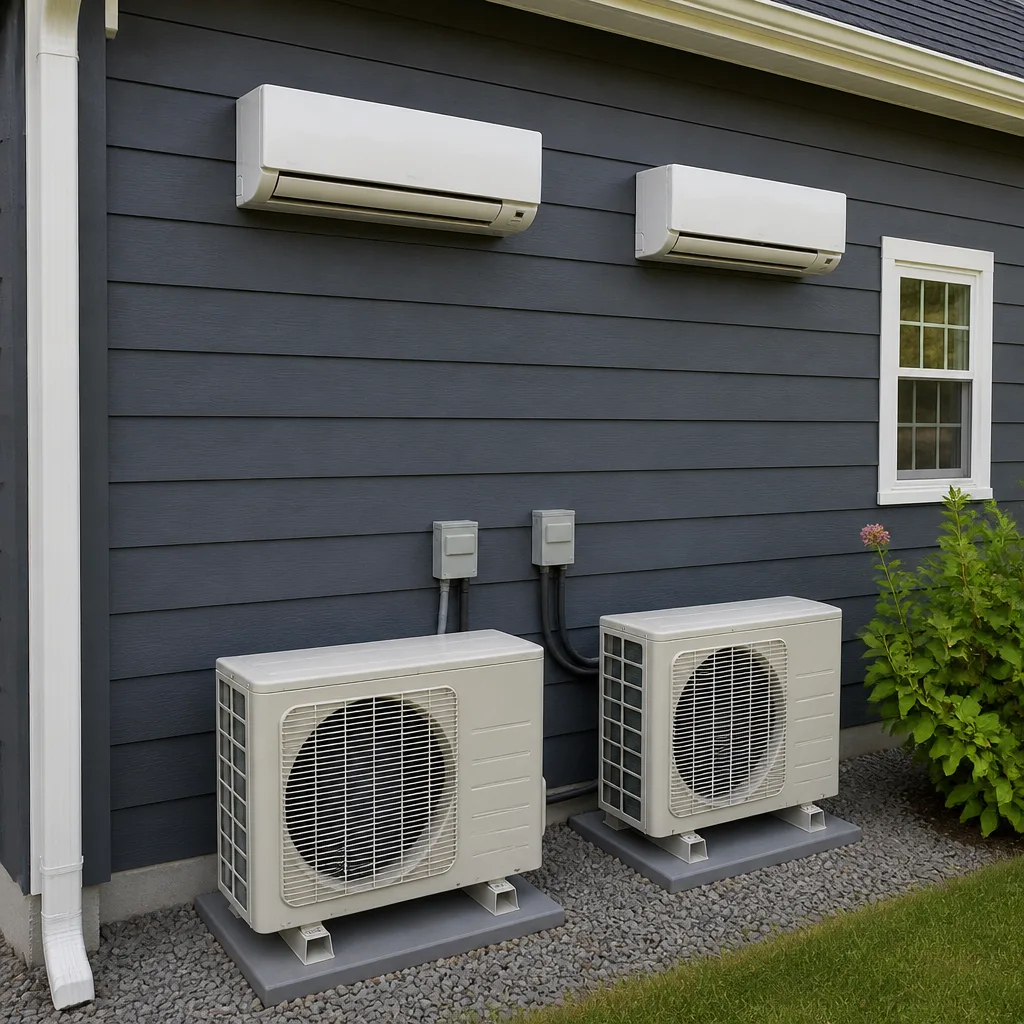 Ductless mini splits
 Carrier
 Trane
 Goodman
Seasonal tune-up and full diagnostic on your Carrier, Trane, or Goodman system - readings shown to you before any repair is proposed
Diagnosis first, numbers second - you approve the repair price before a single part goes in.
Get your free estimateAC Installation Troubleshooting in El Monte: Common Problems and How to Fix Them
A brand-new AC unit that won’t cool your house properly isn’t broken. It’s almost certainly mis-sized, mis-charged, or installed on a duct system that was never inspected. That’s the part most homeowners miss: when a freshly installed system underperforms, the equipment is the least likely suspect. What you’re usually dealing with is an installation error, and the tricky part is figuring out which kind before you waste a call on the wrong party. This guide walks through the problems we see most in El Monte homes, how to read the symptoms, and how to know whether you’re making a manufacturer claim or a contractor call. By the end, you’ll be able to tell a factory defect from an installer mistake and document it correctly.
Quick Answer
Most post-installation AC problems in El Monte are installer errors, not equipment failures. The common culprits are refrigerant undercharge, undersized return air, thermostat wiring mistakes, and systems sized without a manual load calculation. A factory defect is rare and usually shows up immediately at startup. If your new system doesn’t cool evenly, short-cycles, or feels sticky-humid, document the symptoms and call the installer back first, not the manufacturer.
Styles & brands we work with
- AC repair
- Furnace & heating
- Heat pumps
- Ductless mini splits
- Carrier
- Trane
- Goodman
Table of Contents
- Refrigerant Undercharge vs. Factory Defect: How to Tell Them Apart
- Airflow Problems and Undersized Returns in El Monte Homes
- Thermostat Wiring Mistakes That Cause Short-Cycling
- Why “the House Still Feels Humid” Is a Sizing Red Flag
- Manual J Sizing and Why It Matters in El Monte
- Documenting and Escalating Installation Errors in California
- The First 30 Days: What to Watch For
- Why Brand Familiarity Matters for New Installations
Refrigerant Undercharge vs. Factory Defect: How to Tell Them Apart
Refrigerant problems and factory defects look similar from the outside, but they behave differently in the first few weeks. A factory defect on a compressor or reversing valve usually announces itself right away, often on the very first cool cycle. An undercharge can hide for weeks because the system still runs, just not well. Here’s the rough breakdown we work through:
- Undercharge symptoms: weak cooling that worsens gradually, the outdoor unit running long cycles without keeping up, warm air at the vents even after an hour, ice forming on the large copper line (the suction line), and a system that cools fine in mild weather but fails when El Monte hits its first real hot stretch.
- Factory defect symptoms: the system trips the breaker at startup, the compressor hums without engaging, or the outdoor fan doesn’t spin at all. These are usually evident on day one.
- Compressor defect: loud metallic noise immediately after the system fires up, or the compressor draws locked-rotor current and trips the overload within seconds.
None of this requires you to touch refrigerant lines. In fact, don’t. Refrigerant work is regulated and dangerous in untrained hands, and opening a valve on a brand-new installation almost always voids the labor warranty. What you can do is write down what you observe: the vent temperature, the time-to-cool, whether the suction line frosts up, and whether the breaker trips. That written record is what tells a contractor whether to come back for a charge adjustment or whether to file a warranty claim through the manufacturer.
In our experience, the undercharge is more common than the defect by a wide margin. Installers set the charge by gauge on a mildly warm day and never come back to verify subcooling in peak heat. Once El Monte temperatures push past 95 degrees, that undercharge reveals itself. If cooling is weak but the system runs, assume installer first. If something is mechanically broken at startup, file the warranty claim.
Airflow Problems and Undersized Returns in El Monte Homes
Airflow problems dominate the post-installation complaint list, and in El Monte they often trace to one specific stub of construction history: housing built in the 1960s and 1970s came with undersized return air chases, and most of those homes have never had them corrected. A return chase built for a 2-ton system can’t move the air volume a modern 3-ton requires, no matter how new or efficient the equipment is.
You’ll see this show up as:
- Rooms closest to the air handler blow hard while distant rooms barely move air.
- The filter clogs rapidly, sometimes within weeks of a fresh install.
- The blower sounds loud but airflow at vents is weak, or the blower sounds strained.
- The evaporator coil freezes over on a humid day (common in older El Monte homes near the San Gabriel River corridor, where the air is a bit heavier in summer).
- Static pressure at the return is so high you can feel the resistance when you hold your hand to the grille.
Installers who don’t measure static pressure or count return duct size during the changeout will happily connect a new 14-SEER system to a 4-inch return chase and call it done. A proper installation tests airflow before the old condenser leaves the driveway. If your new system has cooling complaints within 30 days and the return grille roars when the system is on, the return air is your primary suspect.
Fixing this rarely requires new equipment. Enlarging the return, adding a second return drop, or upsizing the return grille and duct is a sheet metal job that follows a proper load calculation. Before agreeing to any duct work, ask the contractor to show you the measured static pressure and the duct sizing math. If the contractor cannot produce those numbers, that’s your answer about their process.
Thermostat Wiring Mistakes That Cause Short-Cycling
Short-cycling after a new installation nearly always traces to thermostat wiring, control settings, or a mismatch between the thermostat and the equipment. The system itself is fine. The wire telling it what to do is wrong.
Here’s how to check a few things on your own without opening the air handler or touching high-voltage wiring. The thermostat low-voltage wire is safe to inspect if you turn off the breaker to the air handler first.
- Verify mode and fan settings. If “fan ON” is set instead of “AUTO,” the blower runs continuously, which makes the house feel cool for a while then warm again. Set fan to AUTO and observe for 24 hours.
- Check the thermostat itself. A new thermostat installed on an old four-wire configuration sometimes gets swapped for a smart thermostat requiring a C-wire, and the installer may borrow a wire from a different terminal. Symptoms: no cooling, no fan, or the fan running when the system is off.
- Look for wrong-terminal symptoms. If the compressor and fan cycle together but the display shows “heat” or “aux,” a wire is on the wrong terminal. If the system cools once for a few minutes then shuts off before reaching setpoint, look at the “Y” (cooling) and “O/B” (reversing valve) wiring if your system has a reversing valve.
- Check for loose connections. Wiggle each thermostat wire terminal gently. A single loose “Y” wire will cause intermittent cooling that looks exactly like short-cycling.
- Read your control board fault LED. Most modern air handlers and condensers flash a fault code on startup. Look up the flash pattern in the unit manual (it’s the two-digit number the LED blinks out), and the code tells you exactly what the control board thinks is wrong.
If the brand is Bryant, Daikin, or Rheem, their equipment often uses proprietary communicating thermostats that need a specific configure step during commissioning. If an installer drops a standard thermostat onto a communicating system, short-cycling is the expected result. That’s a contractor return call, not a thermostat replacement.
Why “the House Still Feels Humid” Is a Sizing Red Flag
Feeling humid after installation doesn’t mean the system can’t remove moisture. It means the system is running short cycles instead of long ones. An oversized AC cools the air fast, hits the thermostat setpoint in a few minutes, and shuts off before it has a chance to pull the moisture out of the air. The room hits 75 degrees and the air still feels towel-damp.
That’s a sizing problem, not a dehumidification problem. Here’s why it shows up as a red flag:
- Right-sized systems run long, steady cycles and dehumidify by design. They cool and dry at the same time.
- Oversized systems cool fast and dry nothing. They trip the setpoint, shut off, then the house warms and the cycle repeats. High humidity with cool air is the classic signature.
- Symptoms of oversizing: running for 10 to 12 minutes and shutting off before the house is comfortable, feeling cold and damp, condensation on the supply vents, or sudden temperature swings of 4 to 6 degrees between cycles.
- Symptoms of undersizing: the system runs all day, never shuts off, never reaches setpoint, and the humidity climbs because the evaporator coil is being overcooled.
El Monte sits in an inland valley where summer humidity rides higher than coastal areas during monsoon moisture pushes. That means the sizing calculation on a new install needs to account for design-day humidity, not just dry-bulb temperature. A contractor who sizes only by square footage can easily oversize or undersize and never see the humidity complaint until July. If your house feels sticky after a fresh installation, ask the contractor for the Manual J calculation they ran. If they can’t produce one, the sizing is the problem.
Manual J Sizing and Why It Matters in El Monte
Manual J is the ACCA-approved method for calculating heating and cooling loads based on your home’s actual construction, orientation, shade, insulation, window area, and the local climate. It’s the residential sizing standard referenced by California’s Title 24 energy code. Every properly installed system should have a Manual J load calculation behind it and a Manual S equipment selection drawn from that result.
Why it matters in El Monte specifically:
- Homes here range from postwar tract construction in the 1960s and 1970s to newer infill homes, with insulation levels varying widely from block to block.
- West-facing homes in El Monte with unshaded windows carry summer loads that a square-footage rule of thumb will badly misread.
- Valley temperatures push past 100 degrees during heat waves, which is a very different design condition from the coast.
- Title 24 compliance documentation is part of permitting for a changeout in most California jurisdictions, and Manual J is part of that record.
If your contractor gave you a quote and never looked at window sizes, insulation, or the roof, they sized your system by eyeball. That system will run short cycles, fail to hold setpoint in a heat wave, and feel sticky in summer. On the other hand, if they collected those numbers and handed you a two-page load calculation, that’s the mark of a contractor who can be trusted on the return call.
This is also where brand matters less than sizing. Rheem, York, Daikin, Bryant, Carrier, and every other manufacturer will sell you a unit that’s the wrong size if the sizing math is wrong going in. Brand-agnostic sizing driven by your home’s actual load is how a replacement ends up right-sized. That’s the philosophy we bring to El Monte installs.
Documenting and Escalating Installation Errors in California
When you know the installer made the error, documenting and escalating correctly is what gets it resolved. California contractors are licensed by the Contractors State License Board (CSLB), and the CSLB complaint process is the real lever if the contractor won’t return to fix their own work. Manufacturer warranties generally cover parts, not labor, so the CSLB route is often the practical one.
Here’s the sequence that works:
- Notify in writing. Email or text, not a phone call. State the specific symptom (weak cooling, short-cycling, humid air, ice on the suction line), the date of installation, and what outcome you’re asking for (a return visit to verify charge, airflow, and thermostat wiring).
- Give a reasonable window. A written request in the first 30 days is stronger than one filed at day 120. Give the contractor a specific date by which you expect a response.
- Document the symptoms with data. Take a photo of the suction line if it’s frosting, log the vent temperature, record cycle times, and note the outdoor temperature when the problem happens.
- Request the commissioning records. Ask for the subcooling and superheat readings, static pressure measurements, and the Manual J calculation the installer used. If those records don’t exist, the installer never commissioned the system.
- Escalate to CSLB if unresolved. File a complaint with the CSLB. The board can require the licensee to correct the work under their bond, and the contractor’s license status is what makes that step effective.
- If a genuine factory defect exists, pursue the manufacturer warranty in parallel. Most manufacturers will process a part warranty through the installing contractor or a factory-authorized service provider. You’ll need the model and serial number, the installation date, and a written diagnosis from a licensed HVAC contractor.
Keep the two tracks separate. Installer errors go to the contractor and then CSLB. Equipment defects go to the manufacturer warranty. Filing both at once confuses the process and slows resolution. If the contractor is unreachable or unresponsive, an independent HVAC diagnosis from a licensed contractor is often the piece you need to file a clean CSLB complaint. We can produce that diagnosis in writing for homeowners who need it.
The First 30 Days: What to Watch For
The first month after a new AC installation is the warranty window where problems reveal themselves. Walk through this checklist at the two-week mark and again at the four-week mark.
- Cooling performance. Does the house hit the thermostat setpoint on a hot afternoon within 30 to 45 minutes of start? If not, the system is underperforming.
- Cycle times. A right-sized system should run for 15 to 20 minutes per cycle and take 10 to 15 minutes off. If it’s cycling every 5 to 8 minutes, something is wrong.
- Humidity. A sticky feel without visible moisture is a sizing red flag. A hygrometer ($20 at any hardware store) tells you whether you’re above 55 percent indoor humidity during cooling cycles.
- Ice on the suction line. Frost or ice on the large copper line means low refrigerant or restricted airflow. Both are install problems.
- Breaker trips. Any single trip should be logged. A repeat trip is a control wiring or compressor issue.
- Water around the indoor unit. Condensate drain problems show up within days of a fresh install. The drain pan should be dry around the edges.
- Thermostat behavior. Setpoints should hold steady. If the display flicks between heat and cool, or the system runs when the fan is off, wiring is at fault.
Any two of these symptoms together point to an installation error. One symptom alone may be normal variation. Write down what you see and when. That log is your leverage if things escalate.
Why Brand Familiarity Matters for New Installations
Every manufacturer does commissioning a bit differently. Carrier, Trane, and Lennox each have their own commissioning sequence and fault codes. Daikin, Bryant, and Rheem use differing communicating protocols. Goodman and York have their own setup nuances. When a technician walks up to unfamiliar equipment, they’re learning on your installation. When the technician has worked on the specific brand dozens of times, the installation goes in correctly the first time and the diagnostic step later is faster.
We work on equipment from nine major HVAC brands: Carrier, Trane, Lennox, Goodman, Rheem, York, Daikin, Bryant, and American Standard. That covers the majority of equipment already installed in El Monte homes. We also handle AC installation and furnace repair under one call, so when a system needs a full lifecycle transition, we don’t hand you off to a separate contractor. That matters when you’re choosing a return contractor for an installation problem: the person diagnosing the issue should be familiar with your brand’s specific equipment, not reading the manual for the first time on your driveway.
Furnace replacement capability ties into this too. A new AC install on a home with an aging furnace often reveals the furnace isn’t far behind. Right-sized replacement planning done with a load calculation is a very different job from swapping a box. We handle both sides of that decision, so installation troubleshooting doesn’t turn into a surprise three-vendor job later in the season.
Common Mistakes to Avoid
- Calling the manufacturer before the installer. Factory defects are rare. Installer errors are common. Make the installer prove the installation was correct before you go to the warranty line.
- Assuming “new unit” means “no problems.” A new unit connected to an old, undersized return chase in a 1960s or 1970s El Monte home will underperform from day one. The equipment is new; the house isn’t.
- Sizing by square footage. El Monte homes vary widely in insulation, window area, and orientation, especially between the neighborhoods closer to the 10 freeway and those in the northern hills. Square footage alone gets it wrong.
- Skipping the Manual J calculation. Without it, you’re guessing. That guess is what puts you back on the phone within 30 days.
- Ignoring humidity. A house that’s cold and damp is not a dehumidifier problem. It’s a sizing or charge problem.
- Accepting a verbal diagnosis. Get the diagnosis in writing. Without it, escalating to CSLB is much harder.
- Letting a first cold snap hide a problem. Winters in El Monte are mild, so a new heat pump installation may not reveal its cooling problem until the next summer. Test the AC in the first 30 days regardless of the season it was installed in.
Our team has seen every one of these mistakes in the field, and each one is a fixable phone call if you catch it early. Waiting a full season turns a five-minute adjustment into a five-week headache.
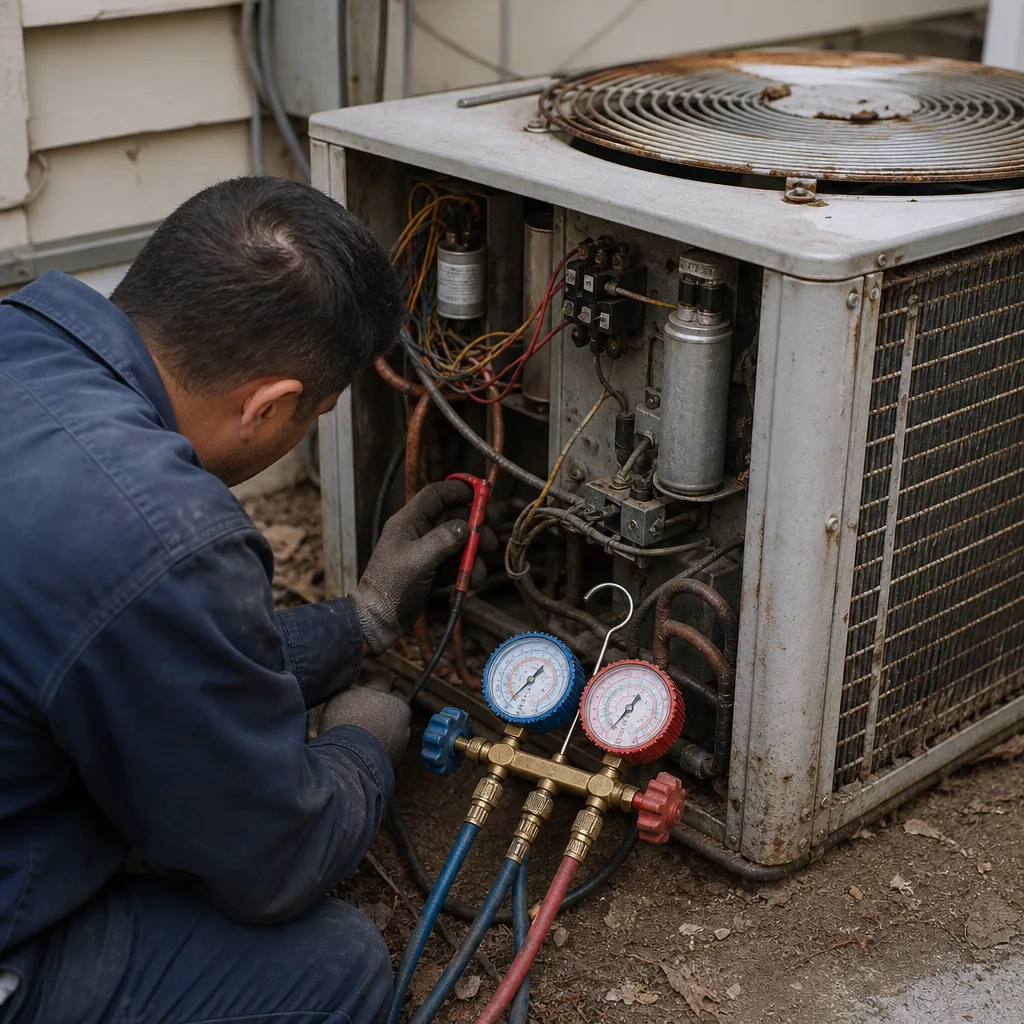
See the difference
 Before
 After
 Before
 After
 Before
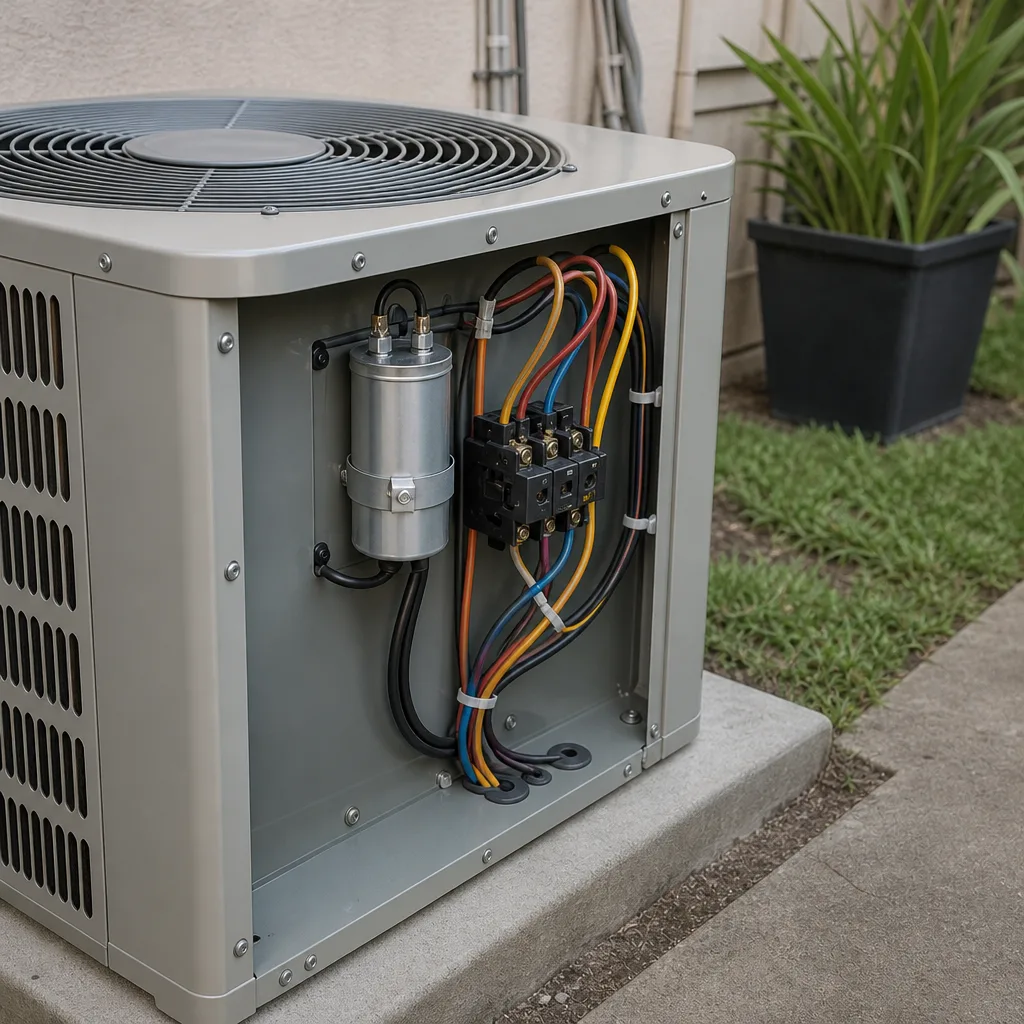 After
When to Call a Professional
Call a professional if any of these is true: your system has been in for fewer than 30 days and isn’t hitting setpoint; you see ice on the suction line; the breaker trips more than once; the house feels damp after cooling cycles; the thermostat behaves erratically or flips mode; or the contractor who did the install isn’t responding. Refrigerant work, compressor diagnostics, and control wiring all require a licensed technician, and none of them are safe to attempt yourself. Our team can diagnose where the installation went wrong and produce the written record you need for the contractor return or a CSLB complaint. AC Repair El Monte offers free estimates in El Monte: call (833) 943-2930. We answer 24/7. Fast dispatch from 7am to 7pm, Sunday through Friday.
Frequently Asked Questions
The most likely causes are refrigerant undercharge, undersized return air, or a system that was never load-calculated for your home. A factory defect is possible but rare. Check for ice on the suction line and note whether the system runs long cycles without hitting setpoint. Call (833) 943-2930 for a free estimate; we’ll diagnose whether it’s installer error or equipment defect.
You can’t measure refrigerant levels without gauges, but the symptoms are clear: weak cooling, long cycles without reaching setpoint, ice on the large copper line, and a house that cools better in mild weather than it does in a heat wave. In El Monte, an undercharge commonly reveals itself once temperatures push past 95 degrees. Document those symptoms and call the installer back before touching anything, since handling refrigerant lines voids the labor warranty and is unsafe.
Yes. Sticky, cool air means the system is short-cycling, usually because it’s oversized. A right-sized system runs long cycles and removes moisture as it cools. If your house feels damp within 30 days of installation, request the Manual J calculation from your installer.
Contractor errors cover installation: charge, airflow, thermostat wiring, and sizing. Manufacturer warranties cover parts defects like a failing compressor or a bad control board. Contractor errors go to the contractor first, then to the Contractors State License Board if unresolved. Defects go to the manufacturer’s warranty line with the model and serial number, installation date, and a written diagnosis.
Load calculations are typically included as part of a proper AC installation quote, not billed separately. If a contractor offers to charge extra for a Manual J, that’s an unusual practice. Call (833) 943-2930 for a free estimate; the written estimate sets the final price.
Put your complaint in writing, document the symptoms with dates and observations, and file a complaint with the California Contractors State License Board. If you need an independent written diagnosis to file with CSLB, a licensed HVAC technician can provide one. Call (833) 943-2930 for a free estimate and a written diagnosis you can attach to your complaint.
The Bottom Line
If your new AC isn’t performing, assume installer error before equipment defect. Refrigerant undercharge, undersized returns in older El Monte construction, thermostat wiring mistakes, and sizing without a Manual J calculation account for nearly every post-installation problem we diagnose. Document the symptoms, request commissioning records, and escalate in writing if the contractor won’t return. The first 30 days are your strongest window. If the diagnosis stalls and you need an independent read, we’re here for it: AC Repair El Monte. Call (833) 943-2930 for a free estimate. We answer 24/7. Fast dispatch from 7am to 7pm, Sunday through Friday. The written estimate sets the final price.
Written by the team at AC Repair El Monte.