
Last updated November 16, 2026
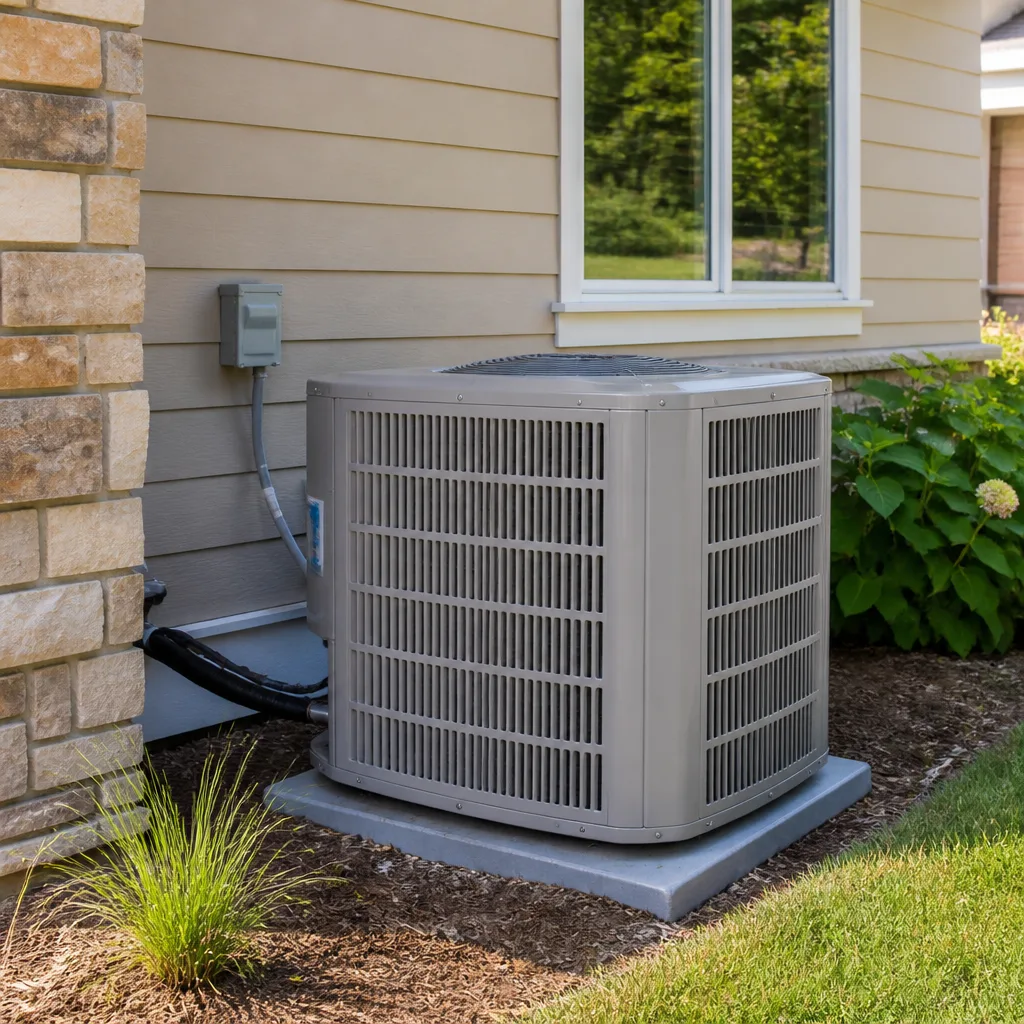 AC repair
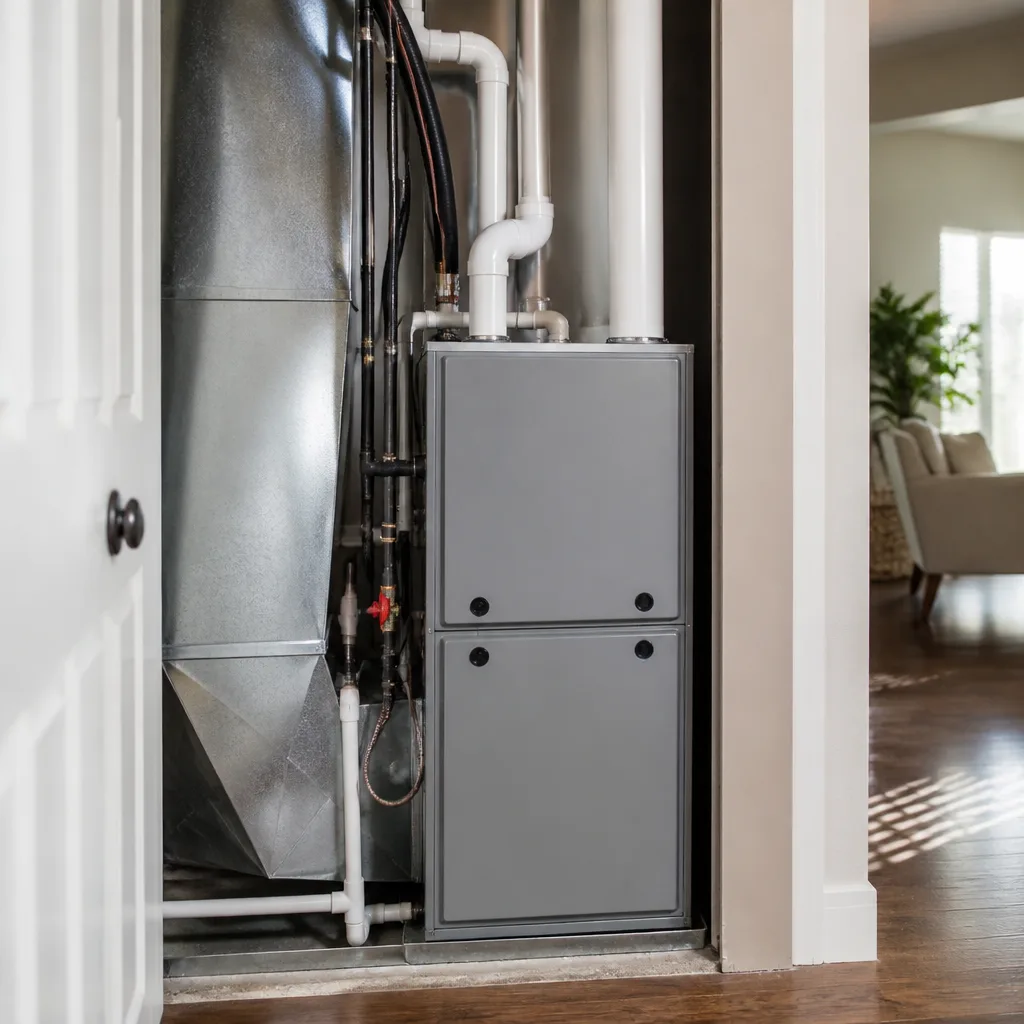 Furnace & heating
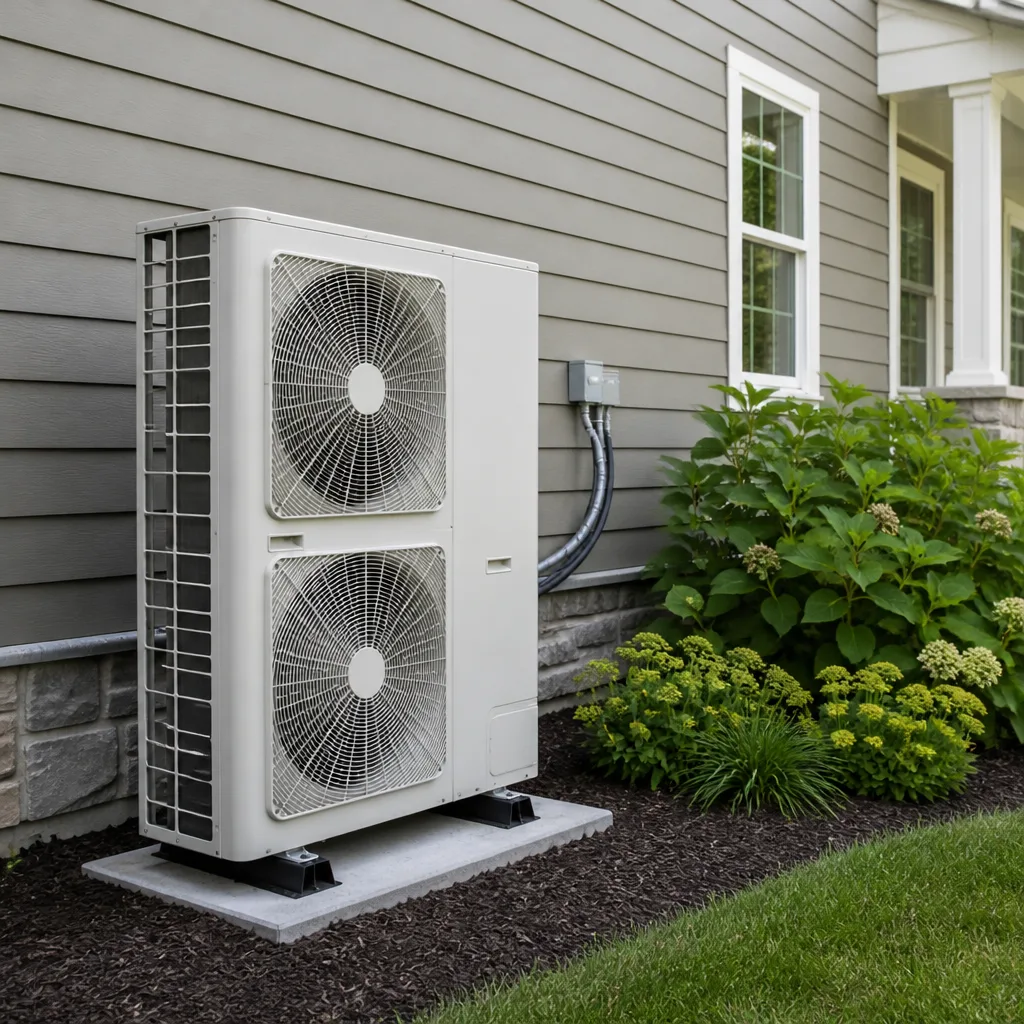 Heat pumps
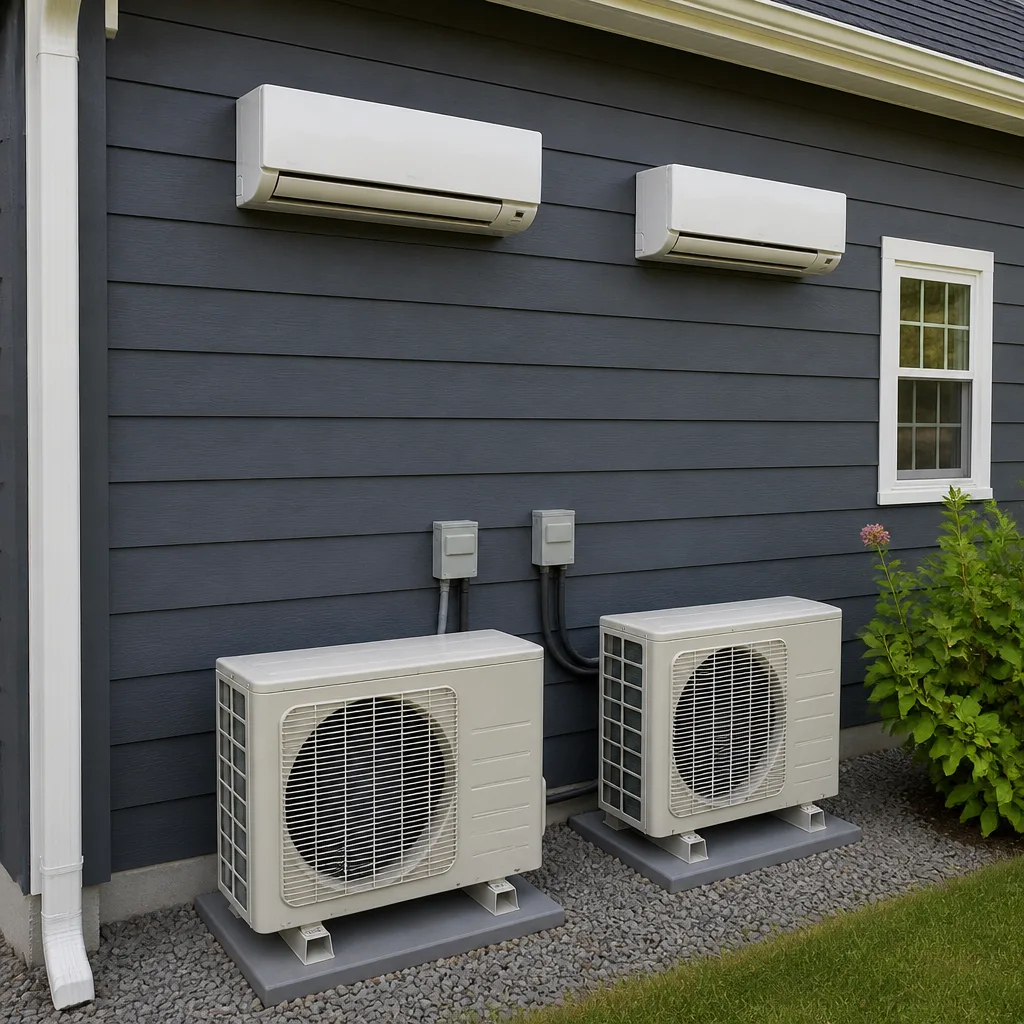 Ductless mini splits
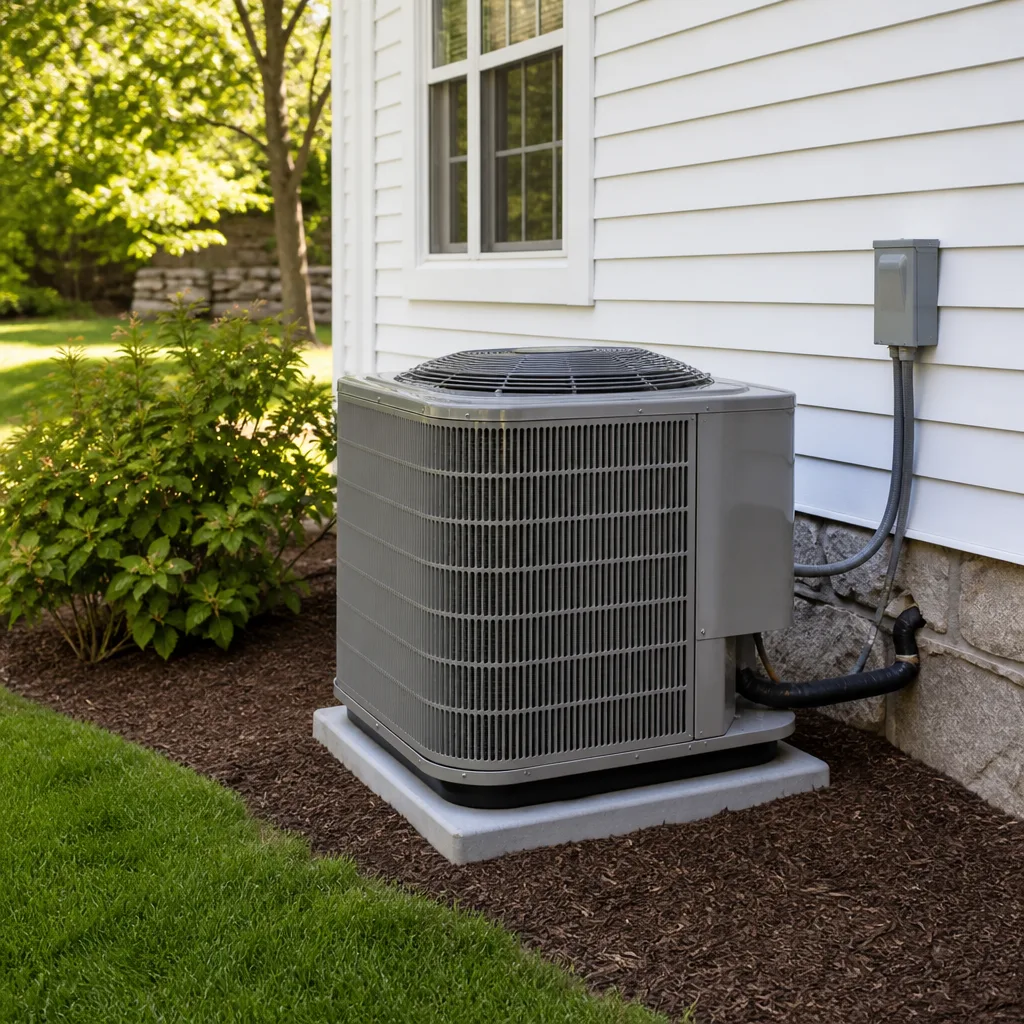 Carrier
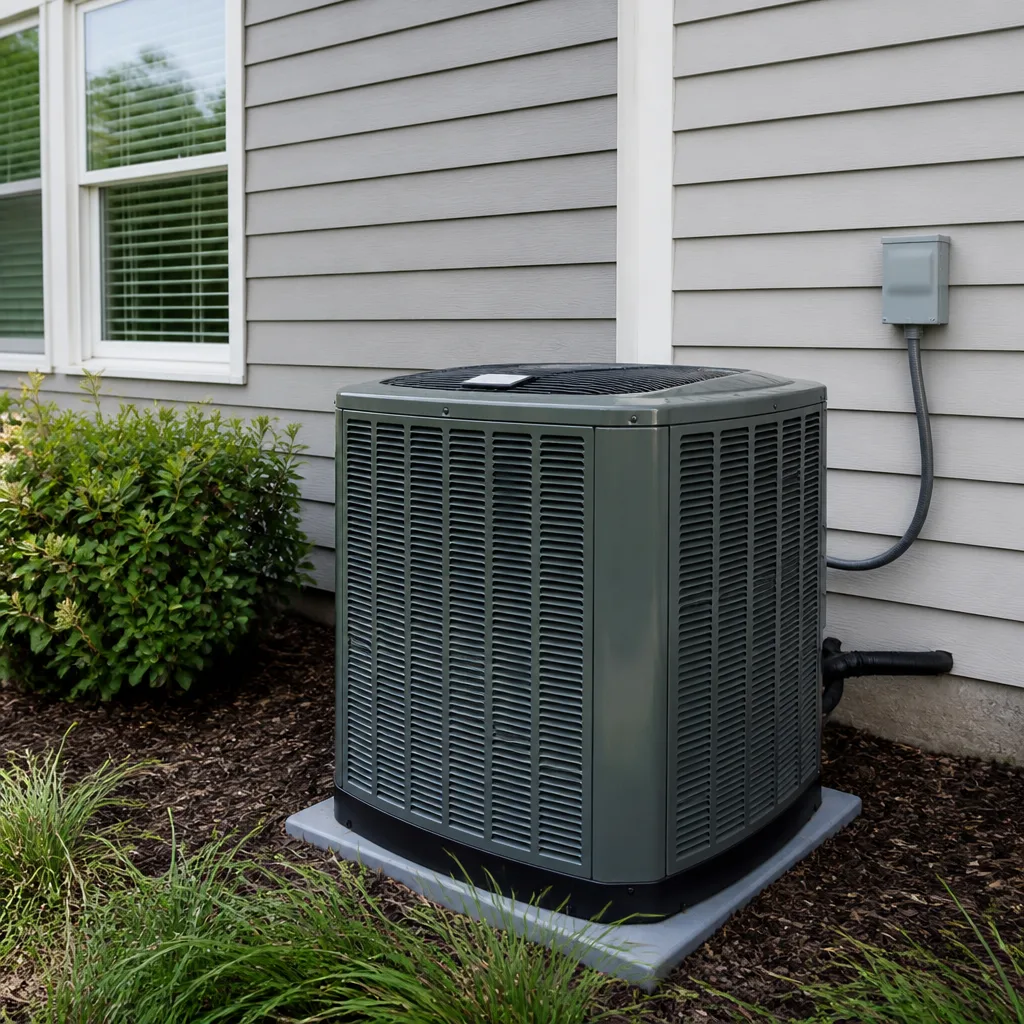 Trane
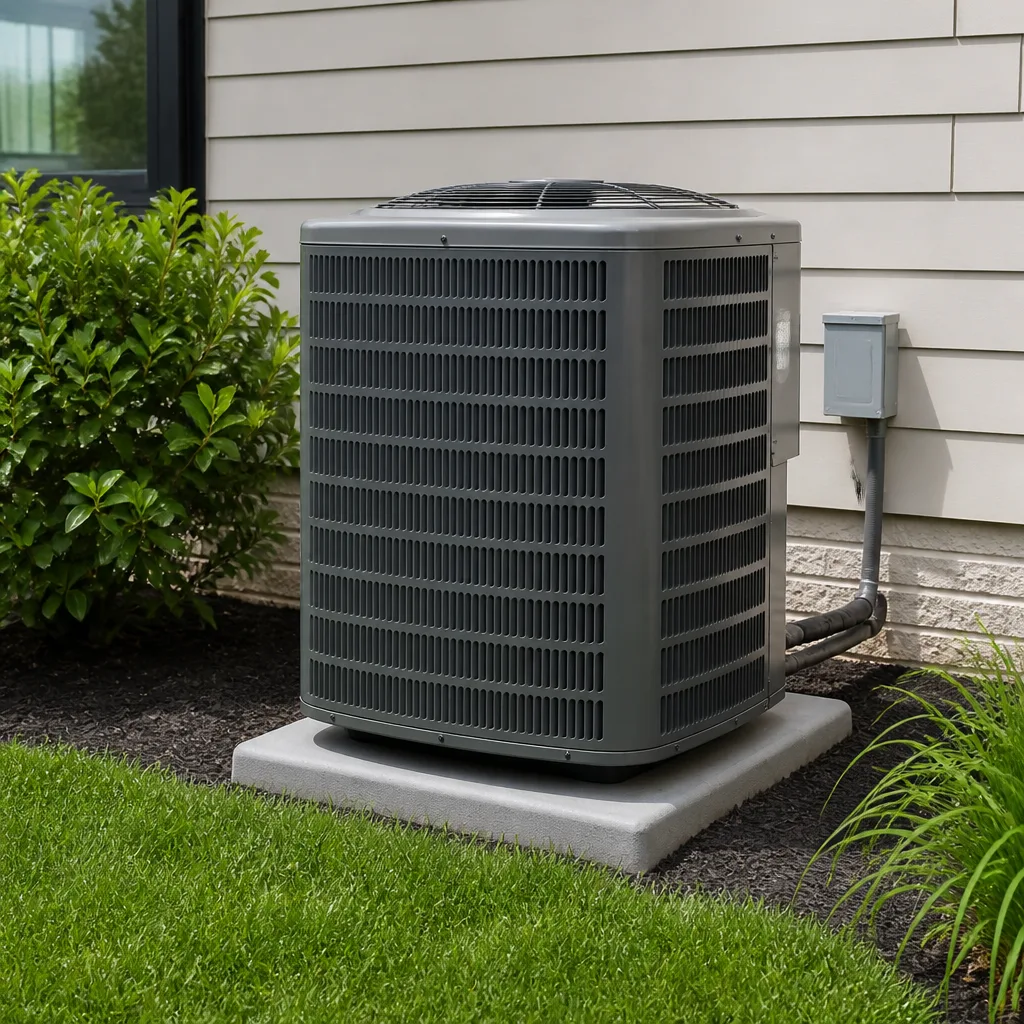 Goodman
Seasonal tune-up and full diagnostic on your Carrier, Trane, or Goodman system - readings shown to you before any repair is proposed
Diagnosis first, numbers second - you approve the repair price before a single part goes in.
Get your free estimateThe Complete AC Installation Guide for El Monte Homeowners
Most air conditioners that fail early don’t fail because of bad equipment. They fail because of a bad installation day. A unit that’s oversized cools the house in minutes and then cycles off, never running long enough to wring the humidity out of the air, and that short cycling wears the compressor out years before its time. A unit that’s undersized runs all afternoon and never reaches the setpoint on a hot August day, so it dies tired. Neither problem shows up on the receipt. Both trace back to a load calculation that was skipped or guessed. In El Monte, where afternoon heat settles in for the whole summer, that guess gets expensive fast. This guide covers the decisions that actually protect your investment: sizing, ductwork, permits, line sets, and what to check before the crew leaves.
Quick Answer
A proper AC installation in El Monte starts with a room-by-room heat load calculation (Manual J), not a square-footage guess. From that you get the correct tonnage, the correct airflow, and the correct duct sizing, and only then do you choose equipment. Skipping the calculation is the single most common reason a new system underperforms in the San Gabriel Valley’s inland heat, where afternoon temperatures and attic heat gain behave differently than they do closer to the coast.
Styles & brands we work with
- AC repair
- Furnace & heating
- Heat pumps
- Ductless mini splits
- Carrier
- Trane
- Goodman
Table of Contents
- Why Manual J Load Calculations Matter More in El Monte
- What Your Ductwork Is Really Doing Before a New Unit Goes In
- El Monte Permits and Inspections: What the Process Looks Like
- Line Sets, Layout, and Why Ranch Homes Need a Second Look
- Choosing Equipment by Brand and by Fit
- Installation Day: The Checklist Most Homeowners Never Get
- Repair or Replace? How to Decide
Why Manual J Load Calculations Matter More in El Monte
A load calculation is an accounting of every way heat gets into your house: window area and orientation, insulation, attic temperatures, wall construction, how many people live there, and how the house is shaded through the day. In El Monte, that accounting looks different than it does a few miles south. We sit in an inland heat pocket where summer afternoons push harder than the coastal side of Los Angeles County, and a west-facing window here takes on a lot more heat through the afternoon than the same window in a beach-adjacent ZIP code.
What goes wrong when the calculation is skipped? Three predictable things:
- Oversizing. An installer guesses high to be safe, the new unit is half a ton or a full ton too big, and it short cycles. Cooling happens fast, dehumidification doesn’t, and the house feels clammy even when the thermostat says it’s cool.
- Undersizing. An installer guesses low, and on the hottest weeks the system runs continuously without ever satisfying the thermostat. That’s a compressor working at its limit all day, every summer.
- Mismatched airflow. Even correctly sized equipment underperforms if the blower and ductwork can’t move the air the unit needs. The unit is fine; the delivery system is wrong.
The calculation itself isn’t mysterious. It takes measurements, local design temperatures, window data, and time. If a contractor quotes you a system without opening a single exterior door to measure a window, the number you’re given is a guess, not a load calculation. Ask what tool or method they used. Specialists who install equipment from Daikin, Bryant, American Standard, and the other major brands we work with do this calculation as routine, because a system installed against an unknown load is a callback waiting to happen.
For homeowners in El Monte, the practical takeaway is simple: insist on the calculation, keep a copy, and compare the recommended tonnage to the house, not to a rule of thumb. A well-built 1,400-square-foot home here and a poorly insulated 1,400-square-foot home here can need meaningfully different equipment.
What Your Ductwork Is Really Doing Before a New Unit Goes In
You can buy the most efficient condenser on the market and still pay too much to cool your house if 25 to 30 percent of the cold air is leaking into your attic. In older El Monte homes, duct leakage is a routine finding, not an exception. The ducts were built for equipment that was cheaper to run than anything made today, and nobody designed them to be airtight. When you connect a new, higher-efficiency unit to leaky ducts, you’re pushing more expensive cooling into the same holes.
Before any new unit goes in, here’s what’s worth knowing about your ducts:
- Static pressure. A measurement of how hard your blower has to work to push air through the system. High static pressure means the ducts are undersized or crushed, and the correct remedy is the ducts, not a bigger motor.
- Leakage. A duct blaster test measures exactly how much air escapes. Ask for the result in writing. Total duct leakage in older homes often runs far above what a well-sealed system would show.
- Insulation value on the runs through the attic. Attic temperatures in El Monte’s summer are brutal, and under-insulated duct runs lose cold air before it reaches the register.
- Duct routing and pinch points. Crushed flex duct behind drywall, sharp bends, and disconnected joints all cut airflow. These are visible on inspection if someone actually looks.
Ductwork is often the least glamorous part of an installation and the one most often skipped in a competitive bid. If one quote is much lower than the others, ask whether duct evaluation was part of it. A new unit with no duct assessment is half of an installation, and you’ll feel the other half missing on the hottest afternoons.
El Monte Permits and Inspections: What the Process Looks Like
A residential air conditioning replacement in El Monte requires a permit from the city’s building department, and the permit process exists for good reasons. It ties the installation to a code-compliant standard for electrical work, refrigerant handling, and mechanical installation, and it produces an inspection record that stays with the property. When you sell the house later, an unpermitted system can complicate the transaction.
The general shape of the process looks like this:
- Contractor files the permit with the City of El Monte building department, submitting equipment specifications, the load calculation, and a description of the scope.
- The city reviews the application. Straightforward residential replacements typically move through faster than projects that change the system type or layout, but timing varies with the city’s workload, so it’s fair to ask for an expected review window.
- Permit is issued, work proceeds. The installation is done to the permitted scope.
- Inspection. An inspector visits to confirm the electrical connection, the equipment installation, and the refrigerant handling match the permit and applicable code.
- Final sign-off. Keep the inspection record along with your equipment paperwork.
Ask any contractor you hire whether the permit is included in their price and who is responsible for scheduling the inspection. If the answer is vague, that’s a real risk to you, not a technicality. You’re the property owner; the unpermitted work is your problem down the line. This is one of the clearest things an experienced local HVAC team handles for you without drama. For related work on the heating side, our furnace repair service follows the same permit discipline.
Line Sets, Layout, and Why Ranch Homes Need a Second Look
Refrigerant line sets have length limits. Push a run too far and the system loses capacity, the compressor works harder, and the whole installation suffers. This is a specification question, not an opinion, and it matters a lot in El Monte because so much of the housing stock is single-story ranch construction. In a ranch layout, the condenser often sits at one end of the house and the air handler at the other, which is exactly the scenario that puts a line set near or beyond its practical limit.
Three things to check when the layout is long:
- Total run length. The distance from the outdoor unit to the indoor coil, including the vertical rise. Manufacturers publish a maximum, and it differs by model. The installer should be able to tell you both the number and your actual distance.
- Vertical separation. If the condenser is on the ground and the air handler is in the attic, the rise counts against the limit and the system may need an oil trap or a specific charge adjustment.
- Line set replacement versus reuse. When the old system used a different refrigerant than the new one, reusing the old lines is risky unless they can be flushed and inspected. In some cases, new lines are the right call even if they cost more.
If your house has a long, narrow footprint, don’t let the quote hand-wave this. Ask for the line set length, the manufacturer’s maximum, and how the installer is accounting for the difference. It’s a small conversation that prevents a real performance problem later. This is the kind of detail that separates a careful install from a fast one.
Choosing Equipment by Brand and by Fit
Equipment selection should follow the load calculation, not the other way around. Once you know the right tonnage and airflow, the brand question gets easier, because most leading manufacturers make solid equipment in each tier. What matters is whether the unit fits your home and whether the team installing it knows the specific model. We work on equipment from Carrier, Trane, Lennox, Goodman, Rheem, York, Daikin, Bryant, and American Standard, so recommendations are driven by what fits the house and the budget, not by a single manufacturer’s partnership.
Practical considerations that come up in El Monte:
- Existing system match. If you already have a furnace and only the cooling side is being replaced, the new coil and air handler need to work with the existing furnace. This is a compatibility question, not a brand loyalty question.
- Efficiency tiers. Higher-efficiency equipment can be worth it, but only if the ductwork and installation are up to the standard the equipment requires. A high-efficiency unit on leaky ducts wastes the upgrade.
- Parts and service availability. The brands above have broad service networks. That’s a real factor for a system you plan to keep for 12 to 18 years.
- Refrigerant. The industry is in transition on refrigerants, and which refrigerant a given model uses affects future service. Your installer should be able to explain what the unit uses and what that means for servicing later.
The right question to ask isn’t “which brand is best?” It’s “which model fits my calculated load, my ducts, and my budget?” If we’re quoting your installation, that’s exactly the conversation. Our AC installation work is built around matching the system to the house, not the reverse.
Installation Day: The Checklist Most Homeowners Never Get
If the calculation was skipped or the ducts were ignored, installation day is where those shortcuts turn into a system that runs hot and expensive. The good news is that a homeowner can verify a surprising amount just by being present at the end of the day and asking a handful of direct questions. We hand every customer a version of this list.
- Confirm the equipment model number matches the quote. Look at the data plate on the outdoor unit and indoor coil and compare them to the written proposal. Model numbers carry efficiency ratings and capacity, and substitutions should never be silent.
- Verify the refrigerant charge was set by measurement. The correct charge for the line set length is set at commissioning, not guessed from a pressure gauge alone. Ask whether superheat or subcooling was verified, and whether the reading was recorded.
- Check the airflow. Static pressure or airflow should have been measured, and it should be within the equipment’s range. If the technician can’t tell you the reading, that’s a real flag.
- Inspect the line set and insulation. The refrigerant lines should be insulated along the full run, with no gaps at the wall penetration. Ask for the length and whether it’s within the manufacturer’s limit.
- Look at the condensate drain. It should be routed to a safe discharge, properly trapped, and tested. A drain that backs up into the attic or ceiling is one of the more expensive easy mistakes.
- Confirm the electrical work. The disconnect, breaker size, and wiring should match the equipment specifications, and the permit inspection should confirm it.
- Test the thermostat and every zone. Turn the system on with the technician present, walk to each register, and confirm airflow at each one. Ask how long the system should run to satisfy the thermostat in the afternoon.
- Get the paperwork. The load calculation, permit number, inspection record, warranty registration, and equipment manuals should all go in a folder you keep.
If you’re getting a new system installed and want to understand what to expect from an assessment and estimate, a good starting point is the overview of how we approach AC repair in El Monte for existing systems, since the same discipline carries into new installs. For a broader look at the area and its housing stock, our El Monte page gives useful background.
Repair or Replace? How to Decide
Not every failing system needs replacement, and not every replaceable system should be repaired. The decision usually comes down to four factors: age, the cost of the repair compared to replacement, the efficiency of the existing equipment, and how the system has been treated for its whole life. A 15-year-old unit with a blown capacitor is a repair. A 15-year-old unit with a failing compressor, a refrigerant leak that keeps coming back, and an old, leaky duct system is a decision point.
Here’s the sequence we’ve found most useful:
- Rule out the cheap fix first. A system that isn’t cooling can have a simple cause: a capacitor, a thermostat setting, a clogged filter, or a tripped breaker. A proper diagnosis rules these out before any replacement conversation.
- Compare the repair to the system’s remaining life. If the repair cost is a significant fraction of a new system, and the unit is past a decade, that’s a signal.
- Look at the whole system. If the ducts are leaking, the return is undersized, and the equipment is old, the replacement conversation should include all of it. A new condenser on old ducts is half a plan.
- Consider a right-sized replacement. If the decision is to replace, insist on the load calculation again. This is where manufacturers’ sizing guidance and the calculation come together.
If your system’s heat side is also on your mind, our furnace side covers replacement as well. A full system transition is one project, not two, and an installation that accounts for the furnace and the AC together runs better than one that treats them as separate purchases.
Common Mistakes to Avoid
- Buying on tonnage alone without a load calculation. Two adjacent houses in El Monte can need different equipment because of insulation, window layout, and attic ventilation. Insist on the calculation, and keep the copy.
- Ignoring duct leakage. Pushing a new high-efficiency unit into leaky ducts wastes the upgrade. Ask for static pressure and a duct leakage measurement before installation.
- Skipping the permit. Unpermitted work can complicate a future sale and leaves the installation without an inspection record. Ask who files the permit and confirm it’s in the price.
- Reusing an inadequate line set because it’s already there. A long ranch-style run near the maximum length, or an old line set built for a different refrigerant, is often a replacement, not a reuse.
- Overpaying to solve an airflow problem. Crushed duct runs and undersized returns don’t get fixed by a bigger blower. Diagnose first, then choose the remedy.
- Skipping the install-day checklist. The model number on the data plate and the written commissioning readings are your only record of what was actually done. Ask for them.
- Choosing a contractor by lowest bid without asking about scope. If one bid is dramatically lower, ask exactly what it excludes. The cheapest install is expensive if it skips the ducts.
See the difference
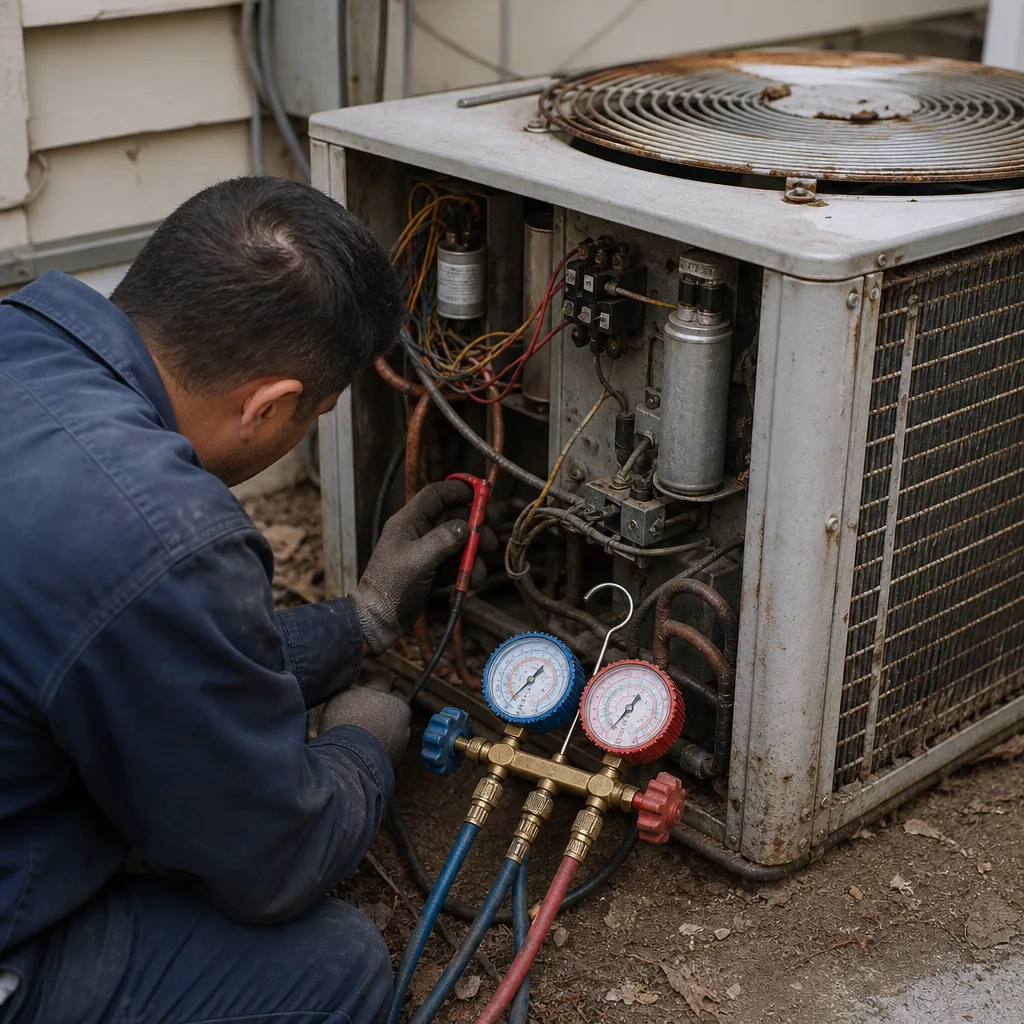 Before
 After
 Before
 After
 Before
 After
When to Call a Professional
Some of this guide is information a homeowner can absorb on their own. The installation itself is not. Any work on an electrical panel, refrigerant circuit, or gas side is work for a trained, licensed professional, because the risks include shock, burns, and refrigerant under pressure. This is not the place for a step-by-step DIY approach. The same is true of a failing system in extreme heat: if your home is running hot during El Monte’s summer, a professional diagnosis is the fastest route to a safe, correct answer. AC Repair El Monte offers free estimates in El Monte. Call (833) 943-2930. We answer 24/7. Fast dispatch from 7am to 7pm, Sunday through Friday.
If your existing unit is failing, the first step is a diagnosis, not a new unit. If the system is healthy and you’re considering replacement, the first step is a load calculation. Both start with a conversation.
Frequently Asked Questions
Yes. A load calculation is the only way to size a system correctly for your specific house, and in El Monte’s inland heat the calculation matters more than in coastal areas because afternoon heat gain is more pronounced. Without it, you or your installer are guessing. Call (833) 943-2930 for a free estimate that includes a proper load calculation.
A straightforward residential replacement typically takes one day, though the permit process and inspection will extend the project timeline overall by days or weeks depending on the city’s review schedule. Expect the install itself to be scheduled once the permit is in hand. Call us for a written fixed price and a set install date.
Yes, a residential AC replacement requires a permit from the City of El Monte building department. Ask any contractor you hire whether the permit is included in their quote and who will schedule the inspection. Call (833) 943-2930 if you’d like to talk through the process for your property.
You don’t, without measuring. A static pressure test and a duct leakage measurement tell you what your ducts are actually doing. Older homes often show substantial leakage through the attic. We’ll assess your ducts before recommending any equipment, so the system you buy fits the system that delivers the air.
Sometimes, but not always. If the existing line set is within the manufacturer’s length limit for the new equipment and is in good condition, reuse is often possible. If the run is long, or the old lines were built for a different refrigerant, new lines are safer. This is a specification question your installer should answer clearly.
We’re qualified to work on equipment from Carrier, Trane, Lennox, Goodman, Rheem, York, Daikin, Bryant, and American Standard. That range means recommendations are driven by what fits your house, not by a single-manufacturer relationship. Our technicians have up to 15 years of experience. Call (833) 943-2930 for a free estimate.
The Bottom Line
The best AC installation for an El Monte home starts with the house, not the box. A load calculation tells you what size you actually need, duct evaluation tells you whether your system can deliver it, and a permit and inspection record proves the work was done to standard. Choose a contractor who discusses all four and hands you the paperwork. Choose equipment that fits, whether that’s Daikin, Bryant, American Standard, or another major brand, based on the calculated load and the ducts. And verify on installation day: model number, refrigerant charge, airflow reading, line set length, and the permit record. Get those five things right and your system will run the way it was designed to run. Get them wrong, and no brand on the market will save you.
If you’re planning an installation in El Monte, we’d like to help. We install AC systems and repair and replace furnaces, all under one team. Call AC Repair El Monte at (833) 943-2930 for a free estimate. We answer 24/7. Fast dispatch from 7am to 7pm, Sunday through Friday.
Written by the team at AC Repair El Monte.