
Last updated November 16, 2026
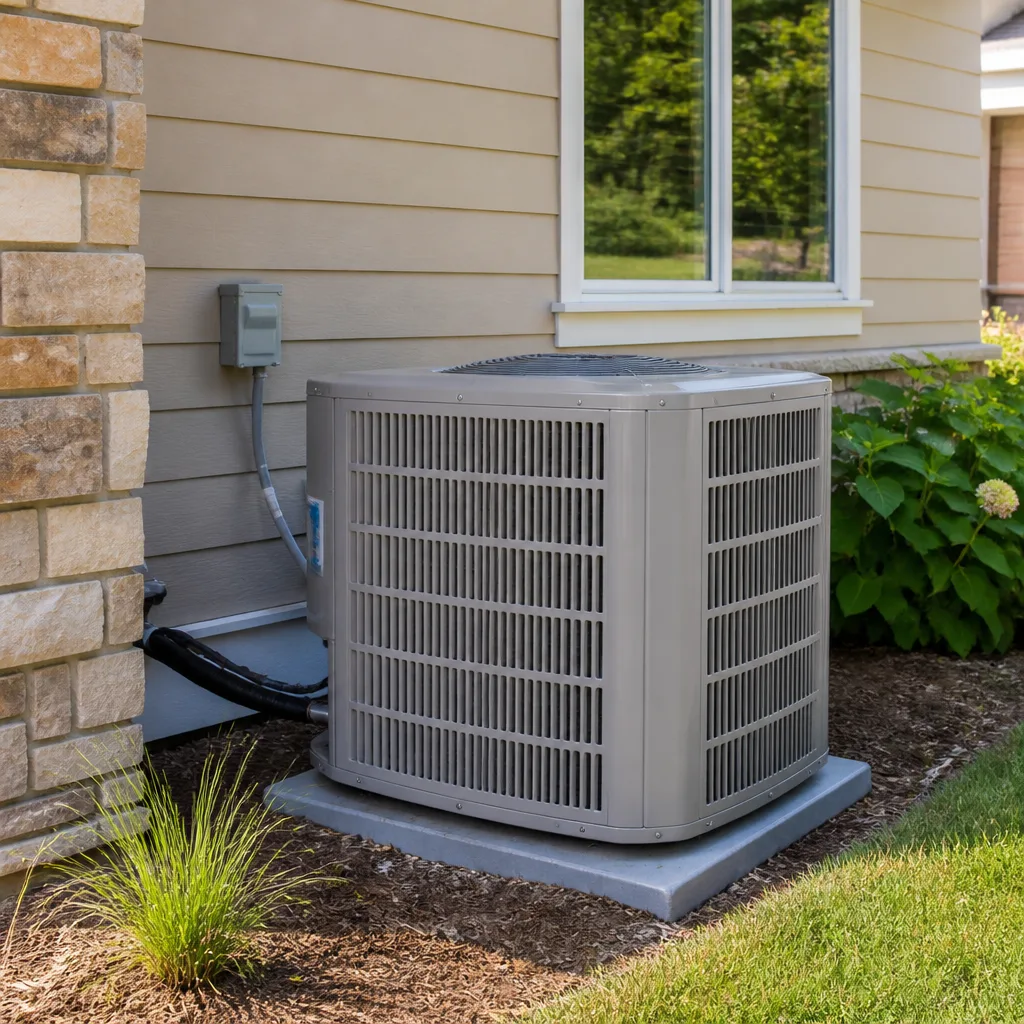 AC repair
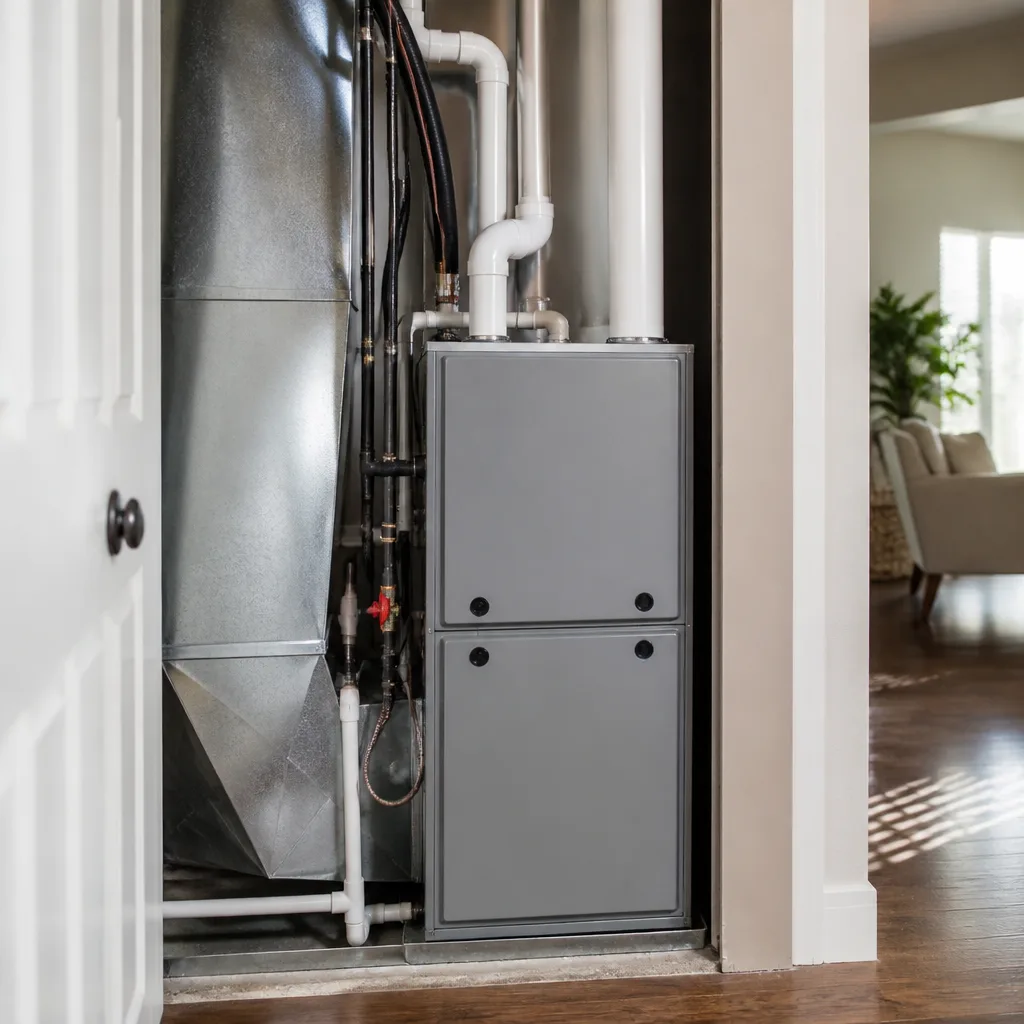 Furnace & heating
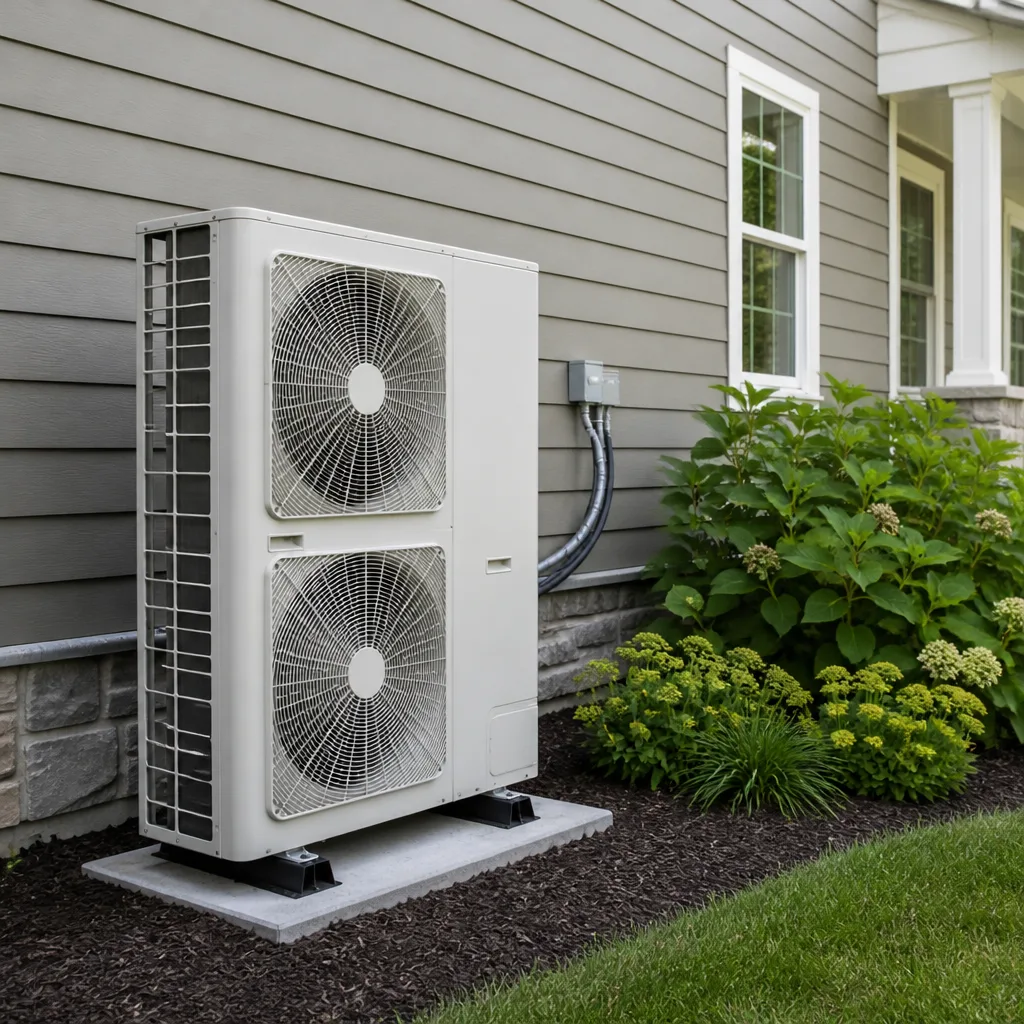 Heat pumps
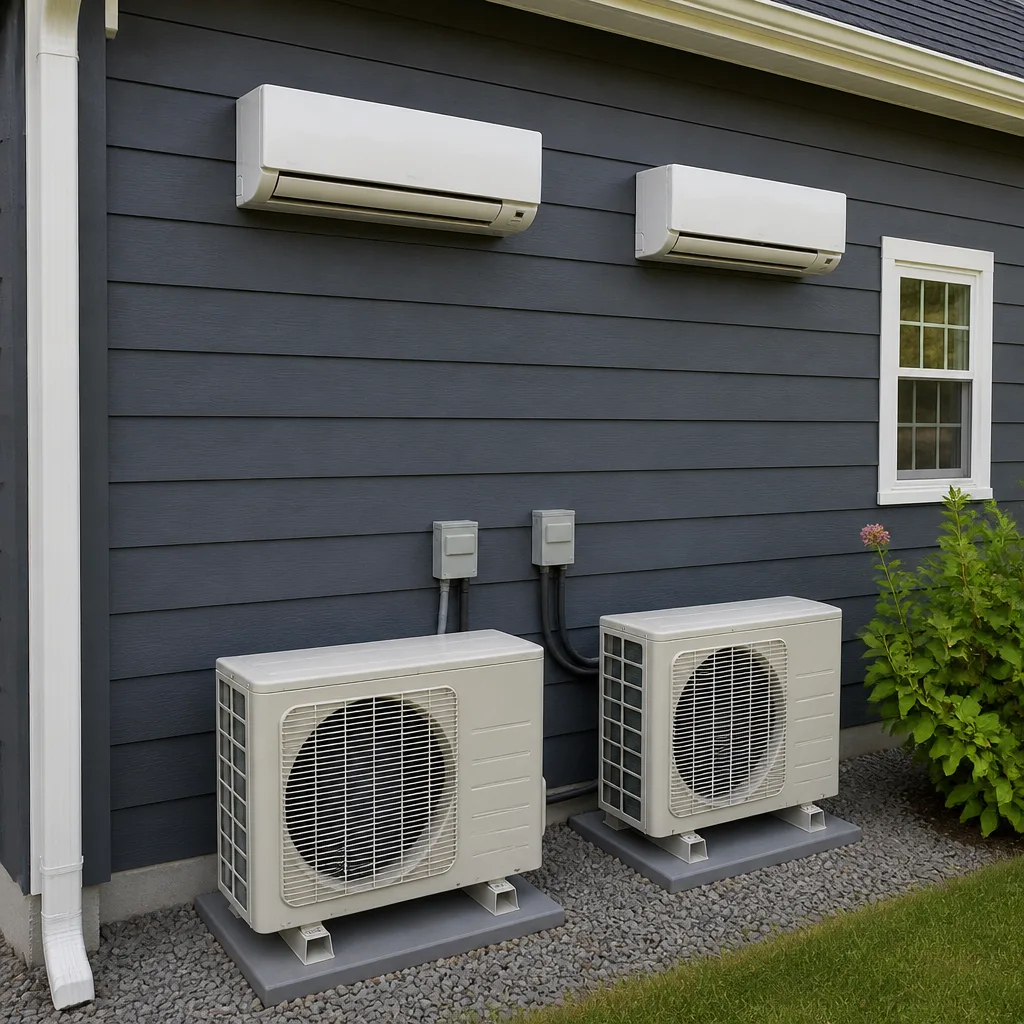 Ductless mini splits
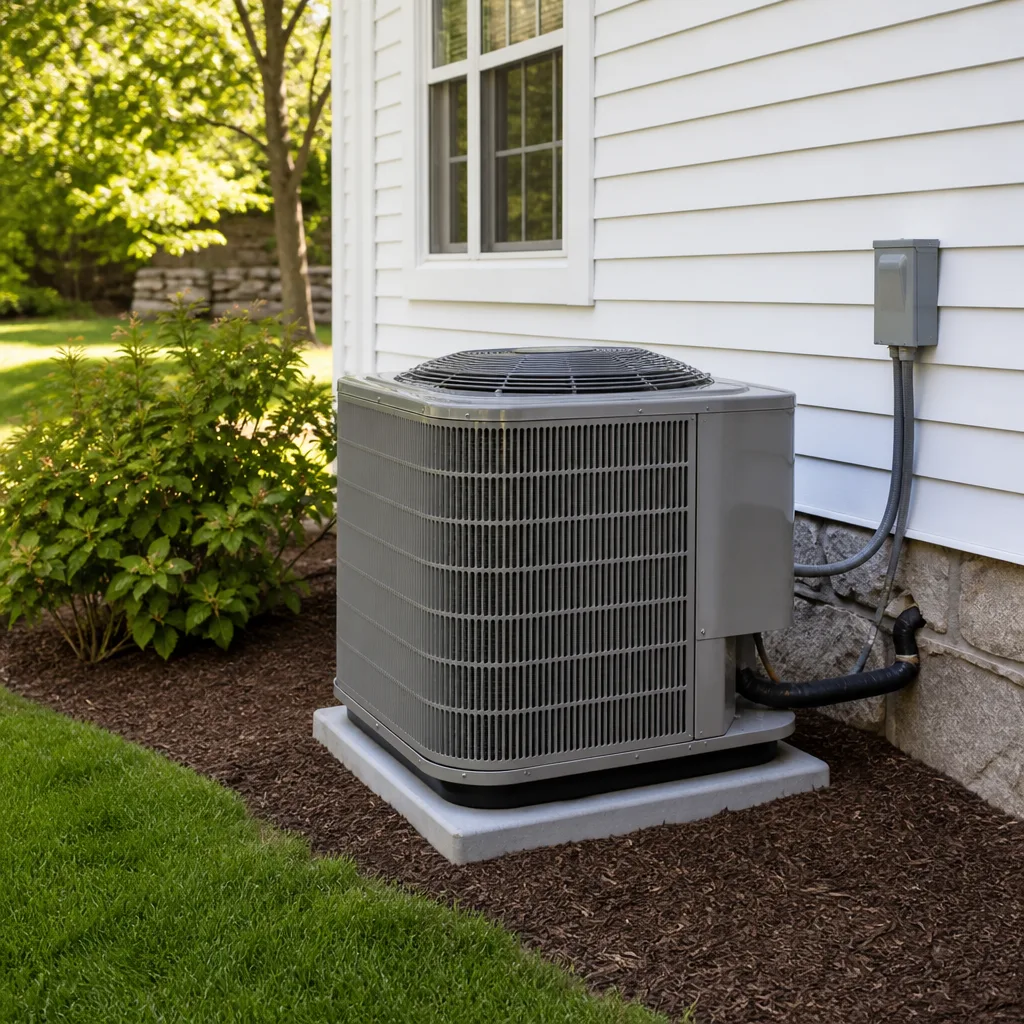 Carrier
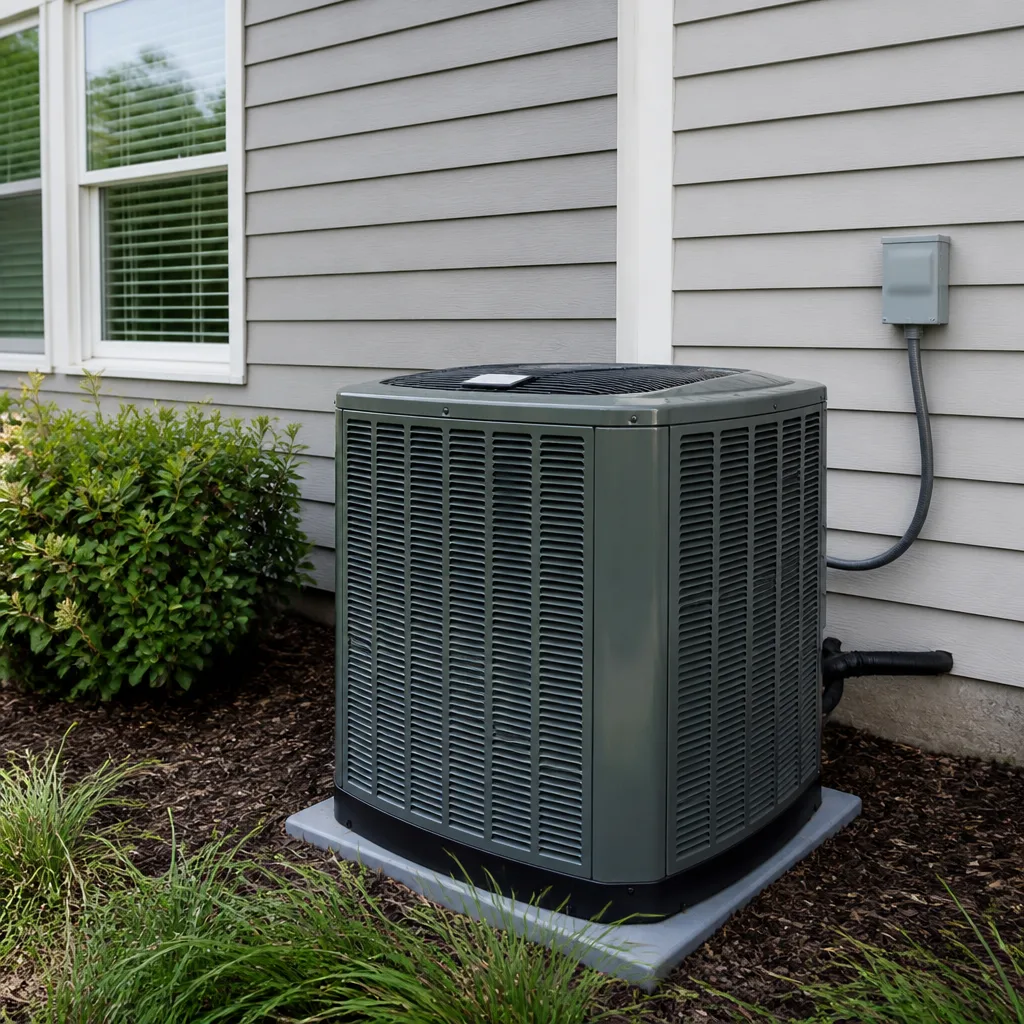 Trane
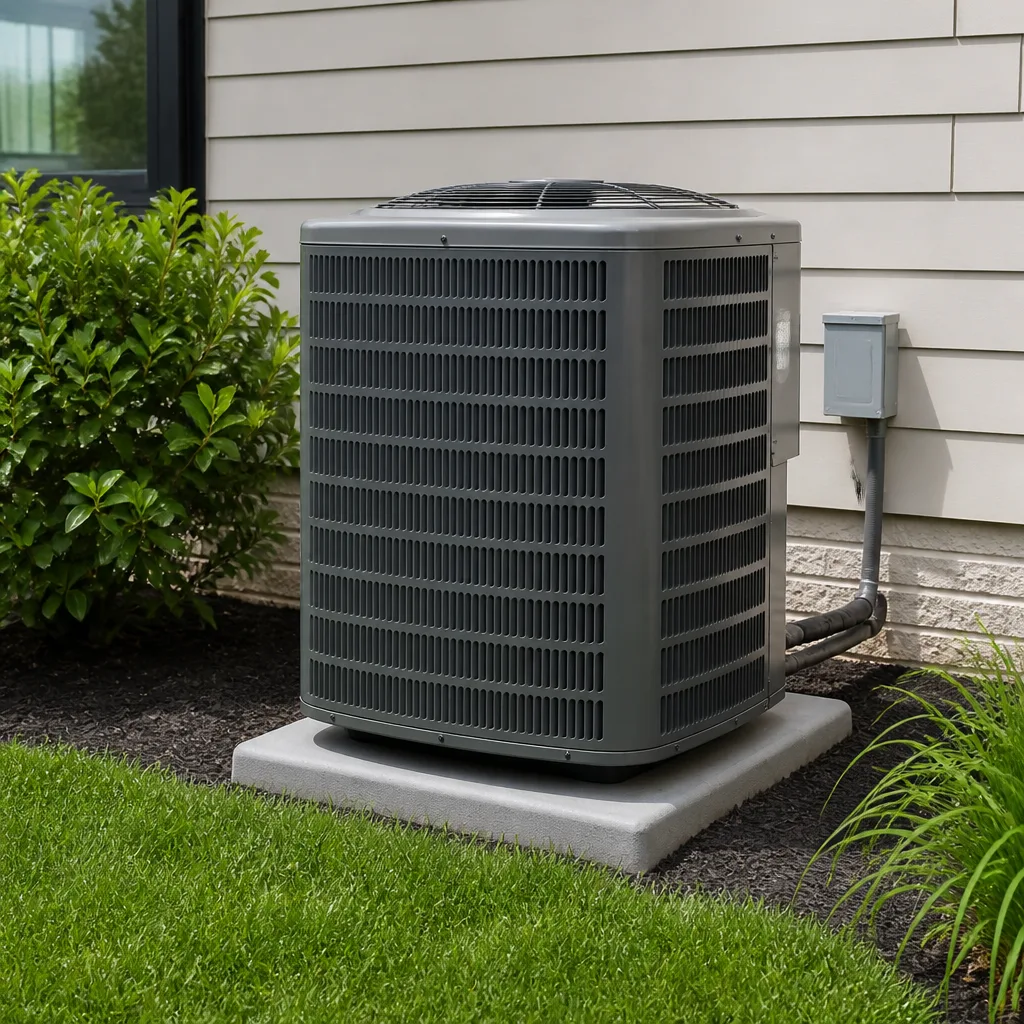 Goodman
Seasonal tune-up and full diagnostic on your Carrier, Trane, or Goodman system - readings shown to you before any repair is proposed
Diagnosis first, numbers second - you approve the repair price before a single part goes in.
Get your free estimateHVAC Permits, Codes & Inspections in El Monte, CA: What You Need to Know
Most homeowners assume a permit is just paperwork their contractor handles, or something they can skip to save a few weeks. The opposite is usually true. An unpermitted HVAC installation in California can surface during a routine home sale inspection, and resolving it after the fact often means paying for a retrofit permit, opening finished walls, or proving a system meets today’s energy code when it was installed under an older one. This guide explains exactly when an El Monte HVAC job needs a permit, what the inspection covers, how Title 24 shapes equipment choice, and how to clean up legacy work that was never permitted. If you’re hiring for heating or cooling work in El Monte, this is the page to read before anyone shows up with a clipboard.
Quick Answer
In El Monte, replacing or installing an HVAC system requires a mechanical permit and an inspection through the city’s Building & Safety Division; simple repairs like a blower motor swap or a thermostat replacement generally don’t. New installations also trigger Title 24 energy compliance, which is verified at inspection. Existing equipment that was installed without a permit isn’t automatically a violation of your ownership, but it becomes a problem when you sell, refinance, or file an insurance claim, and the fix is a retroactive permit plus inspection.
Styles & brands we work with
- AC repair
- Furnace & heating
- Heat pumps
- Ductless mini splits
- Carrier
- Trane
- Goodman
Table of Contents
- What Needs a Permit in El Monte (and What Doesn’t)
- Title 24 Compliance and Why It Changes What You Buy
- The El Monte Inspection Sequence: Rough-In, Final, and What Inspectors Check
- Legacy Equipment Without a Permit: Selling or Refinancing
- Refrigerant Certification: California Rules on Top of Federal Rules
- How to Verify Your HVAC Contractor Is Set Up to Pull Permits
- What the Permit and Inspection Timeline Looks Like
- Common Mistakes to Avoid
What Needs a Permit in El Monte (and What Doesn’t)
The line between “permit required” and “minor repair” is drawn by California Mechanical Code as adopted by the City of El Monte, and it’s narrower than most people think. Any time you add, replace, or substantially alter a system, you’re in permit territory. A technician swapping a failed run capacitor or cleaning a flame sensor is not.
Here’s the practical breakdown we use when a homeowner asks whether their job needs a permit:
- Full system replacement: Permit required. Removing and installing a new condenser, air handler, and coil set is a structured mechanical installation.
- New air conditioner installation: Permit required, including electrical and refrigerant line work. Our ac installation jobs always include the permit step.
- New furnace installation or replacement: Permit required. Furnace swaps involve gas piping, venting, and combustion-air verification, all of which the city wants eyes on.
- Duct replacement or major duct modifications: Permit required in most cases because duct sizing and sealing affect Title 24 compliance.
- Adding a new circuit or modifying electrical service to the equipment: Permit required, and often a separate electrical permit.
- Replacing a failed component (blower motor, control board, igniter, capacitor, contactor, thermostat): No permit required.
- Refrigerant recharge or leak repair on an existing system: No permit required, though there are separate refrigerant regulations that apply.
- Filter changes, coil cleaning, tune-up work: No permit required.
If you’re ever in doubt about the specific scope, the answer comes from the El Monte Building & Safety Division directly, not from a contractor’s opinion. A short screening call to the city before work starts saves a lot of argument later. In our experience, the jobs that get homeowners into trouble are the “in-between” cases: a duct replacement done alongside a repair, a heat-exchanger swap that becomes a full furnace replacement on the same visit, or an electrical modification that started small and grew. Each of those can cross the permit threshold even when the initial call was for a repair.
One more consideration specific to how homes in El Monte are built: many of the older houses here have equipment crammed into tight closets, garages, or exterior platforms with minimal service clearance. That doesn’t change the permit rule, but it does mean inspectors pay close attention to access clearances on final. A technician familiar with those tight layouts will plan the installation so the inspection doesn’t turn into a second visit. If you already know your system is on its last legs and want to talk through options, our furnace repair team can help you decide whether repair or replacement is the right next step.
Title 24 Compliance and Why It Changes What You Buy
Title 24 is California’s energy code, and it’s the reason your HVAC contractor should be calculating load and documenting efficiency rather than just quoting a box that fits the old footprint. When you replace a system in El Monte, the code requires the installation to meet current efficiency standards, and the permit process is where that gets verified. It’s not a formality tacked onto the permit; it frequently drives which equipment you actually end up buying.
What Title 24 touches in a residential HVAC project:
- Minimum efficiency ratings for new equipment, which have climbed steadily and can rule out cheaper builders-grade units.
- Duct sealing and insulation requirements when ducts are replaced or significantly altered.
- Refrigerant line insulation and proper routing.
- Ventilation standards that affect how outdoor air or mechanical ventilation is handled if applicable to the scope.
- Documentation that the installation matches the design intent, filed with the permit.
The practical consequence is that a “drop-in” replacement of an old Lennox or Trane unit with the closest match still available may not comply. True load calculations using manual J methodology, or at minimum a documented sizing review, are part of a compliant installation. Occasionally a homeowner discovers that the equipment they were planning on won’t pass, and they have to move up a tier or switch to a different configuration. Better to know that before the equipment is ordered.
Title 24 is also why our recommendation for replacement equipment starts with what the home actually needs, not with a single manufacturer’s preferred model. We work with Carrier, Trane, Lennox, Goodman, Rheem, York, Daikin, Bryant, and American Standard, so when a Goodman unit meets the Title 24 baseline and fits the budget better than a comparable Bryant, that’s a real option for the homeowner rather than a sales dead end.
The El Monte Inspection Sequence: Rough-In, Final, and What Inspectors Check
Most residential HVAC installations in El Monte go through two inspection phases, and how smoothly they go depends on how well the first one is prepared. Understanding the sequence keeps you from being surprised by a red tag or a re-inspection. This is the general flow for a residential replacement; small jobs may combine the phases, and unusual scopes may add a step.
- Permit issuance. The contractor submits the application with scope, equipment specs, Title 24 documentation where required, and any electrical or gas sub-permits. Plan review may or may not be required depending on project complexity.
- Rough-in inspection. Before equipment is fully enclosed and before drywall or access panels are closed, the inspector verifies the physical installation: equipment location and clearances, venting and flue routing, refrigerant line routing, electrical connections, condensate drain routing, and duct connections where accessible.
- Final inspection. After the system is operational, the inspector confirms the installation matches the approved scope, confirms Title 24 compliance where applicable, checks combustion venting on gas furnaces, verifies the electrical disconnect, and reviews that the ductwork and equipment are properly sealed. This is where a permit gets signed off and closed.
What inspectors focus on specifically:
- Equipment clearances and access. Combustion air, service access, and rooftop or platform mounting all need to meet code.
- Venting on gas furnaces. Flue type, slope, and termination are checked carefully because they’re safety critical.
- Electrical. Disconnect location, overcurrent protection, and conduit work.
- Condensate. Primary and secondary drain routing, plus a properly installed float switch or overflow protection where required.
- Ductwork. Sealing at joints and connections, and compliance with any Title 24 duct requirements.
- Refrigerant line insulation and routing.
In our experience, the most common reason a final inspection fails on a first pass is access: the contractor installed the equipment in a spot that meets the manufacturer’s minimum clearance but leaves an inspector no way to see the connections or verify the venting. The fix is usually a minor trim or a rework of a panel, but it costs time and a re-inspection. Scheduling final on a day the contractor is available on site with the equipment running is another detail that matters. A rushed close-out missing the float switch or missing a disconnect label can mean a surprise second visit.
Legacy Equipment Without a Permit: Selling or Refinancing
If a previous owner installed HVAC equipment without a permit, the current owner inherits the problem. California purchase contracts and lender requirements generally ask about permitted work, and a missing record on a recent system is one of the flags that turns up during a standard home sale inspection. This is where the real cost of skipping the permit shows up: not when the work is done, but years later when you’re trying to close a transaction.
What happens when unpermitted equipment is discovered:
- Disclosure or discovery. Either the seller discloses the missing permit or the buyer’s inspector flags a replacement system with no record on file with the city.
- Retroactive permit application. The current owner or a contractor files for a permit covering the existing equipment, submitting what records are available, including equipment data plates and historical installation details.
- Inspection of existing work. The city inspects the installation as it stands. This is where problems surface: undersized electrical, improper venting, missing Title 24 compliance, or non-compliant clearances. Some fixes require opening walls or re-routing connections.
- Correction and re-inspection. Non-compliant items are corrected and re-inspected until the permit closes.
- Final record. The permit closes and becomes part of the property record, resolving the title concern for the sale or refinance.
The costs of going through this are almost always higher than the permit would have been at the time of installation. The permit fee itself may be similar, but the corrections and re-inspections aren’t: on an unpermitted installation the contractor has no idea what’s inside the walls, and the city will ask for proof of what it can’t see. Opening finished drywall or ceiling access to inspect a flue or a drain route is often the only path.
If you’re buying or selling a home in El Monte with an HVAC system that has no permit record, get the retrofit conversation started before the transaction is under contract, not during escrow. The correction period can take weeks, and that’s a timeline the closing schedule won’t wait on. Same-day scheduling for the initial permit paperwork and system evaluation is possible when you call. We answer 24/7. Fast dispatch from 7am to 7pm, Sunday through Friday.
Refrigerant Certification: California Rules on Top of Federal Rules
California regulates refrigerant handling more strictly than the federal baseline, and that has direct implications when hiring a technician. Any technician who handles refrigerant, including recovering and charging, must hold proper EPA Section 608 certification, and California layers additional requirements on top for record-keeping and leak detection depending on the system size and refrigerant type. For residential systems this mostly means the technician you hire should be certified, and the permit-inspection record may reflect refrigerant-related compliance.
What this means for you as a homeowner:
- Ask for the certification. A properly certified technician can show proof of EPA Section 608 certification. Any tech who can’t is a red flag.
- Refrigerant type matters. If your system uses a refrigerant that’s being phased down in California, the way it’s handled and the record-keeping around it are stricter than for older systems.
- Leak repair and record-keeping. Larger systems have additional leak detection and repair requirements. Residential equipment is generally below those thresholds, but the technician should still be documenting recovery and charge.
- Refrigerant handling during replacement. Proper recovery of the old refrigerant is part of a compliant installation. Skipping it is a compliance problem and an environmental one.
Unauthorized or DIY refrigerant handling is a real hazard. Refrigerant under pressure can cause severe frostbite and eye injury, and mixing refrigerant types can damage the system. This isn’t a job for a homeowner with a set of gauges from an online retailer. Certified technicians handle recovery and charging with the right equipment; that’s the only safe path.
The harder-to-see risk is refrigerant that isn’t properly recovered before a system is replaced. It’s easy to verify: ask the technician whether recovery is included and whether documentation will be filed as part of the permit close-out. When you’re choosing a contractor, a clear answer here tells you something about how the whole job will be handled.
How to Verify Your HVAC Contractor Is Set Up to Pull Permits
The permit is issued to the contractor, not the homeowner, in almost all residential HVAC work in El Monte. That means the contractor must be set up to file with the city, hold a valid license, carry proper insurance, and be willing to have their work inspected. Some homeowners assume the permit step is optional or handled after the fact; either assumption creates exposure later.
Here’s how to verify before you sign anything:
- Ask who pulls the permit. The answer should be the contractor, not you. If a contractor asks you to pull a homeowner permit on HVAC replacement, that’s a warning sign because it shifts the compliance risk onto you and often voids manufacturer warranties on a technically complex job.
- Confirm the license status. California’s Contractors State License Board lets you look up any contractor and verify the license class. HVAC work falls under the C-20 Warm-Air Heating, Ventilating and Air-Conditioning classification, or C-38 for some refrigeration work.
- Ask about insurance. General liability insurance and workers’ compensation insurance cover you if something goes wrong on your property. Confirm the contractor carries both.
- Ask when the permit gets filed. The permit should be filed before work begins, not after. “We’ll pull it when we’re done” is not how it works, and a contractor who offers to skip the permit is offering you a liability, not a discount.
- Ask who handles Title 24 documentation. It should be part of the contractor’s scope, not a form you have to file yourself.
When you’re evaluating equipment brands, a contractor certified to work on specific manufacturers narrows the field quickly. We work on nine leading brands including Carrier, Trane, Lennox, Goodman, Rheem, York, Daikin, Bryant, and American Standard. That doesn’t mean we recommend the same brand every time; it means the recommendation starts with your home and budget, and the equipment follows.
The final check is whether the contractor’s comfort services cover the whole system. A team that installs AC and also handles furnace repair is a single call for both halves of your system. When you hire a team that only handles cooling, the next furnace replacement becomes a separate relationship with a separate permit history. For an El Monte homeowner, comfort covered by one call simplifies the paperwork, not just the experience.
What the Permit and Inspection Timeline Looks Like
HVAC permits in El Monte are a modest line item compared to the equipment, but the timeline matters for planning the job, especially on a replacement. A typical residential permit for a mechanical replacement is processed within days, not weeks, when the submission is complete. Plan review adds time on unusual scopes, but a standard replacement usually doesn’t require it.
Here’s the general sequence you can expect on a permit-required replacement:
- Permit application and review: A few business days for a standard mechanical replacement. Longer if the scope includes significant electrical or duct work requiring additional review.
- Equipment lead time: Varies by brand and model. Some Goodman and Rheem units are widely stocked regionally, while a specific Trane or Lennox configuration may need to be ordered.
- Installation day: A residential AC or furnace replacement is usually a one-day job for a standard configuration. Complex installations can run longer.
- Rough-in inspection: Scheduled during installation before access is closed off.
- Final inspection: Typically scheduled within a few business days of completion.
Cost of the permit itself varies by the scope, the equipment being installed, and any Title 24 compliance fees, so it’s not a fixed number. It’s also not something you want a contractor to be vague about. A written estimate that itemizes the permit and the inspection schedule is part of a properly quoted job. The written estimate sets the final price, so if permit fees aren’t visible, ask for them to be added.
What about the rest of the year? El Monte’s cooling season runs the family-deep end of Southern California warm-weather stretches, and summer heat pushes AC replacement demand hard. If you’re planning a furnace replacement, aim for the shoulder season when scheduling is easier and the house doesn’t need to be dry and open during the hottest part of the year. Permit processing isn’t faster in the shoulder season, but the inspection scheduling friction is lower. The same advice applies to anyone comparing repair and replacement; our team serving El Monte can walk you through both options during the estimate.
Common Mistakes to Avoid
- Assuming a permit “isn’t needed for a straight swap.” Even a like-for-like replacement usually requires a permit because Title 24 compliance has to be verified for the new equipment. Ask before work starts, not after the crew is already on site.
- Letting the homeowner pull the permit. A homeowner permit shifts compliance responsibility onto you and can complicate the manufacturer warranty on complex equipment. Insist the contractor pulls the permit in their name.
- Closing up walls before the rough-in inspection. Rough-in inspection is when the inspector needs to see the electrical, venting, and duct connections before they disappear behind drywall. Closing up early means opening walls later, and that’s on your budget.
- Not asking who handles Title 24 documentation. Title 24 isn’t a form the homeowner should be filing. Equipment should be selected with compliance in mind, and the documentation should be part of the contractor’s scope.
- Ignoring unpermitted work when buying a home. An unpermitted system can become a sale blocker months later. Get the retrofit process scoped before the transaction is under contract.
- Hiring a technician without refrigerant certification. California’s rules are stricter than the federal baseline, and refrigerant handling without certification isn’t something to leave to chance. Ask for proof.
- Choosing equipment before load calculation. Picking the box first and running the numbers second is backwards. Title 24 compliance usually starts with proper sizing, not brand preference.
See the difference
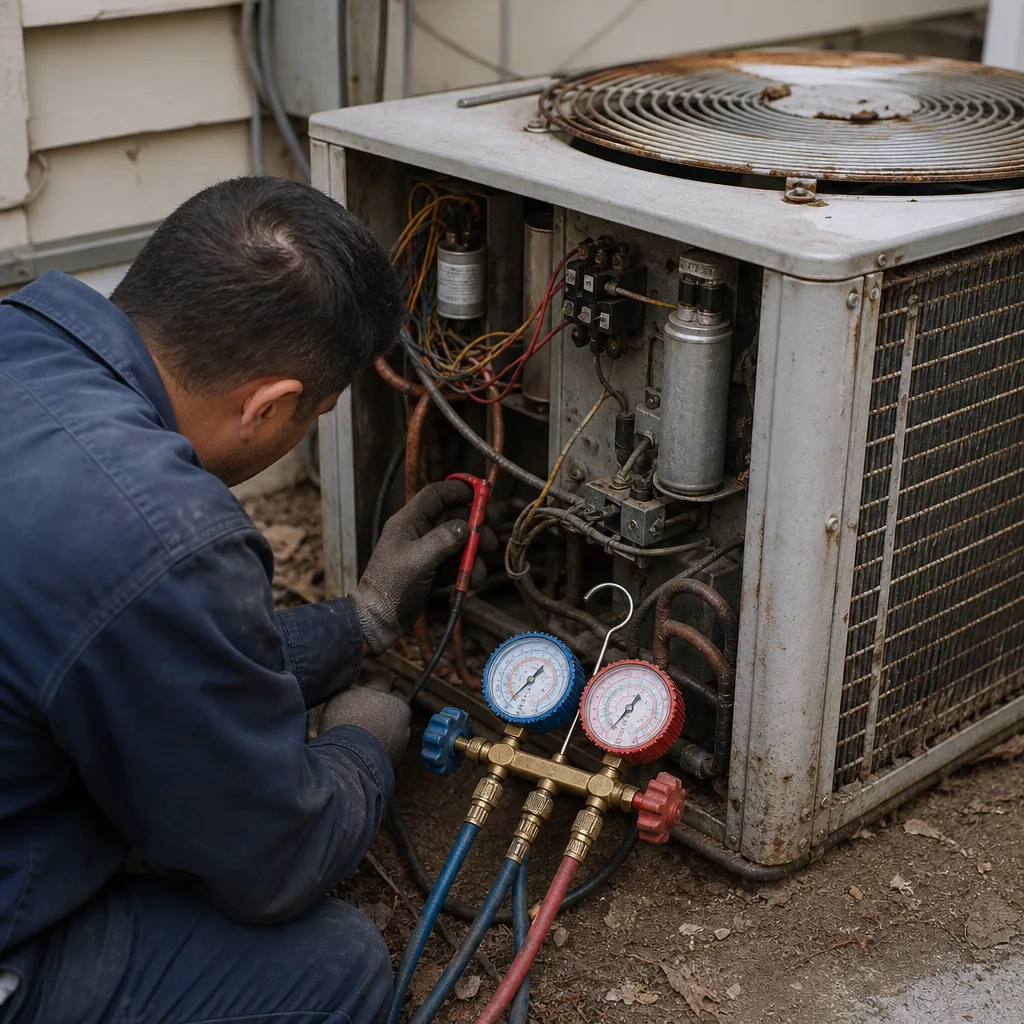 Before
 After
 Before
 After
 Before
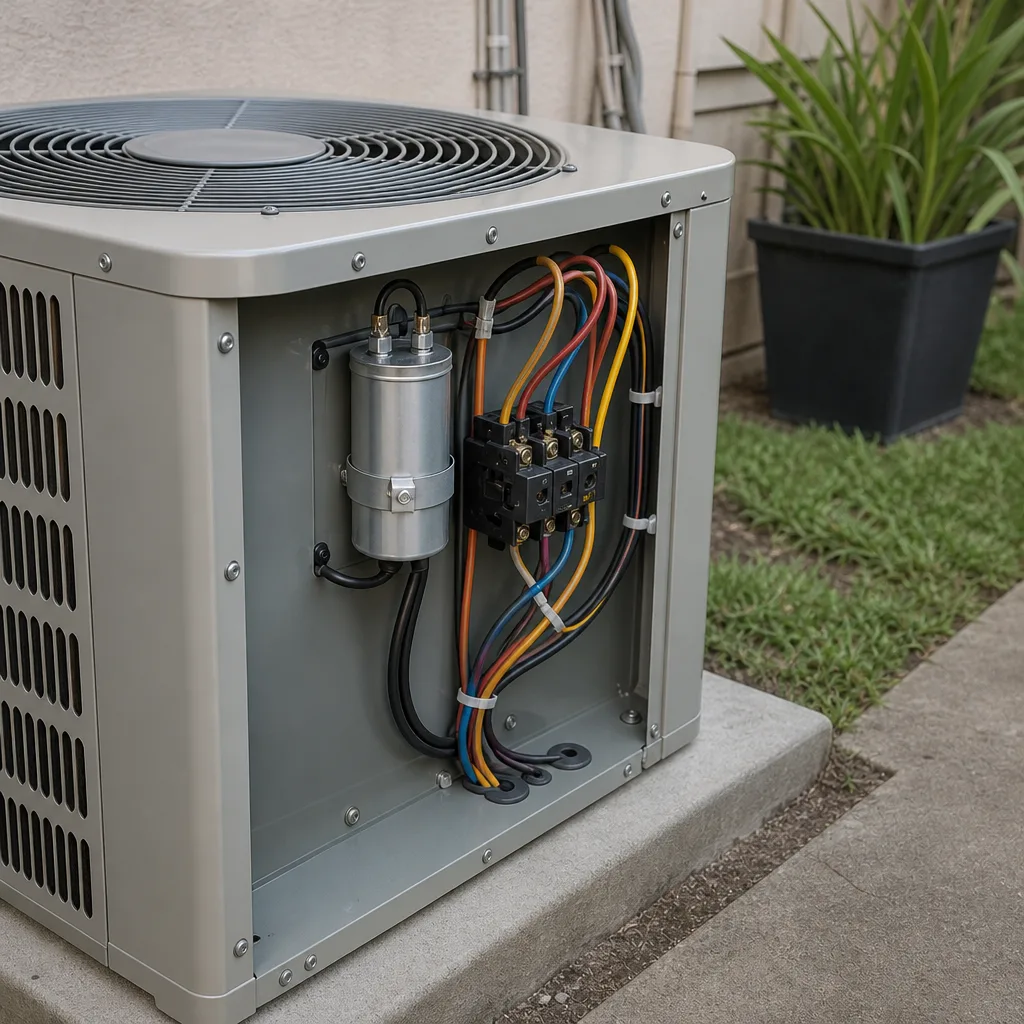 After
When to Call a Professional
Call a licensed professional when you’re facing any of the following: your system needs replacement and you don’t have a permit on file; your contractor is asking you to pull the permit yourself; your final inspection is coming up and you want a second opinion on whether the installation will pass; you’re buying a home with an unpermitted system and want the retrofit scoped before escrow; or your system needs refrigerant work and you want to confirm the technician is certified. Each of these situations has a real risk of turning into a costlier problem when it’s handled for the first time under deadline. AC Repair El Monte offers free estimates in El Monte. Call (833) 943-2930. We answer 24/7. Fast dispatch from 7am to 7pm, Sunday through Friday.
Frequently Asked Questions
Yes. In El Monte, replacing an air conditioner, furnace, or air handler requires a mechanical permit through the city’s Building & Safety Division, and the installation is subject to inspection for Title 24 compliance and code requirements. Minor repairs like a blower motor swap or thermostat replacement generally don’t require a permit. If you’re not sure which side of the line your job falls on, describe the scope to a licensed contractor before work starts. Call (833) 943-2930 for a free estimate – our team can walk you through whether your job needs a permit.
Title 24 is California’s energy code, and it establishes minimum efficiency standards, duct sealing rules, and documentation requirements that your new installation has to meet. In practice it means the equipment you choose has to be selected with compliance in mind, and the contractor has to submit documentation as part of the permit. If you were planning on a specific piece of equipment, confirm it meets the current baseline before ordering. Call (833) 943-2930 for a free estimate – we can help identify compliant options for your home.
At rough-in, the inspector verifies equipment clearances, venting and flue routing, refrigerant line routing, electrical connections, duct connections, and condensate drain routing while they’re still accessible. At final, the inspector confirms the installation matches the approved scope, verifies Title 24 compliance, checks combustion venting, electrical disconnect, and equipment sealing. Access and clearance issues are the most common reason a first inspection fails. Call (833) 943-2930 for a free estimate – our team can help you plan an installation that’s built to pass.
You can still sell, but you’ll need to resolve the permit issue before closing in most transactions. The usual path is a retroactive permit application, an inspection of the existing work, corrections for any code deficiencies, and a final record once the permit closes. Corrections can require opening walls or re-routing connections, so starting early is important. Don’t wait until the buyer’s inspector flags it during escrow. Call (833) 943-2930 for a free estimate – we handle retroactive permit work for El Monte homeowners.
Yes. Any technician who handles refrigerant in California must hold proper EPA Section 608 certification, and the state adds record-keeping and handling requirements on top of the federal baseline. When you hire a contractor for refrigerant work, ask for proof of certification. Any tech who can’t produce it is a red flag. Call (833) 943-2930 for a free estimate – our technicians are certified and can handle your refrigerant work safely.
Yes. We handle retroactive permit work for El Monte homeowners who are selling, refinancing, or simply want their HVAC record to match their property. The process starts with a walkthrough to see what’s actually installed and what the city will need in the inspection. Corrections vary from paperwork-only to opening walls, so the estimate matters. Call (833) 943-2930 for a free estimate – we’ll scope the job and tell you what to expect.
The Bottom Line
An HVAC permit in El Monte costs far less than the fallout from skipping one. The permit is a modest line item on a replacement; the retrofit process after an unpermitted installation can cost multiples of that, and it always seems to surface at the worst moment: during a home sale, during a refinance, or after an insurance loss. Title 24 compliance means equipment selection has to start with the home, not with a brand preference. Inspection sequences are predictable, and a contractor prepared for rough-in and final gets through them without drama. If you’re facing a permit issue in El Monte, get it scoped early. Free estimates, warm-handling technicians, and the same team for your cooling and heating work.
Whether you’re replacing a Trane condenser, repairing a Lennox furnace, installing a Goodman system, or working through a Rheem equipment question, our team is set up for both halves of your system. Call (833) 943-2930. We answer 24/7. Fast dispatch from 7am to 7pm, Sunday through Friday.
Written by the team at AC Repair El Monte.