
Last updated November 16, 2026
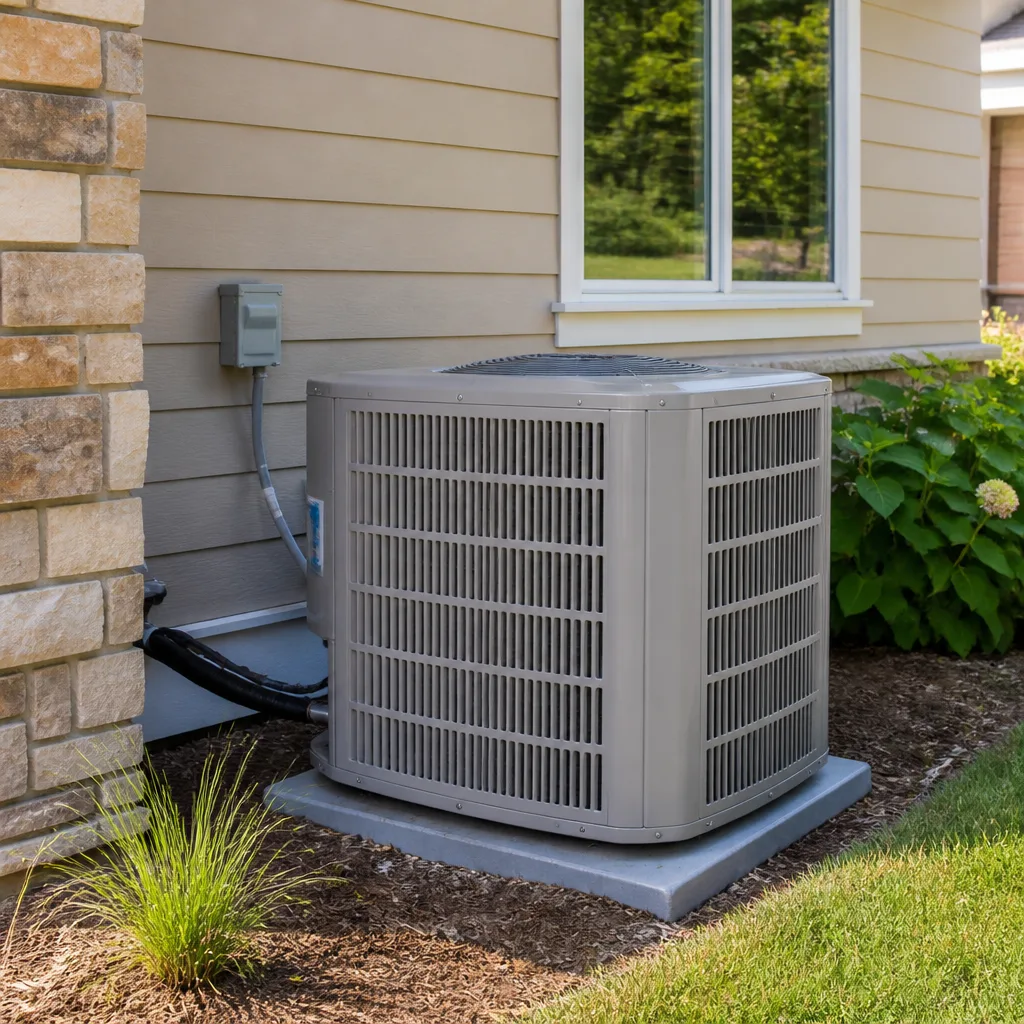 AC repair
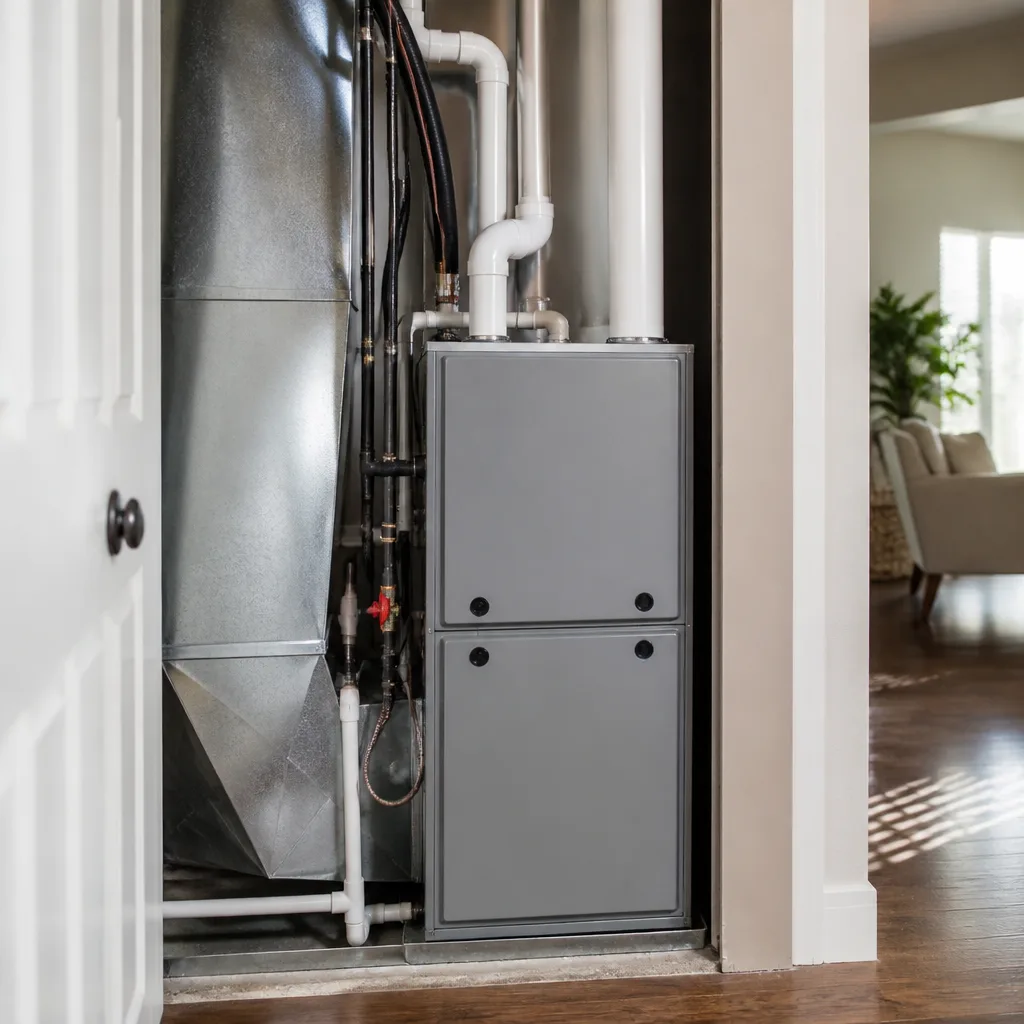 Furnace & heating
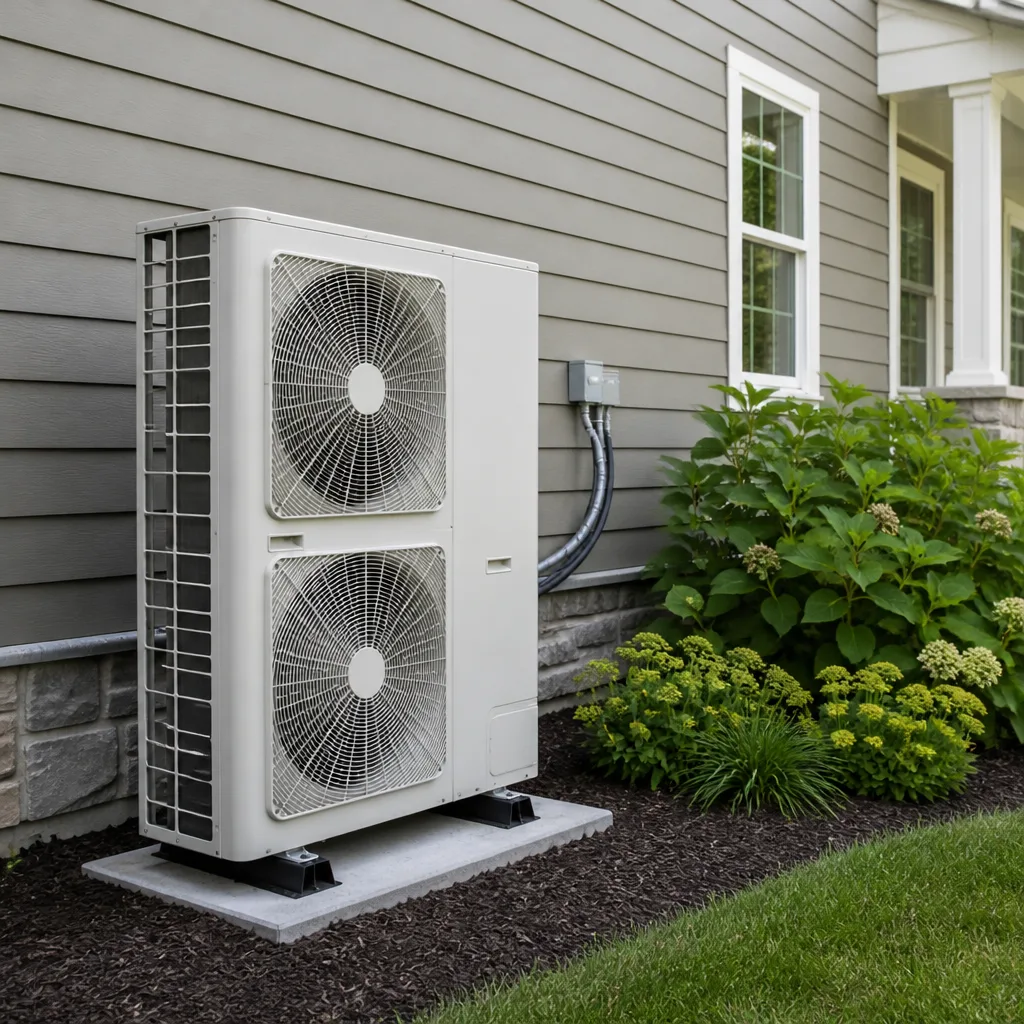 Heat pumps
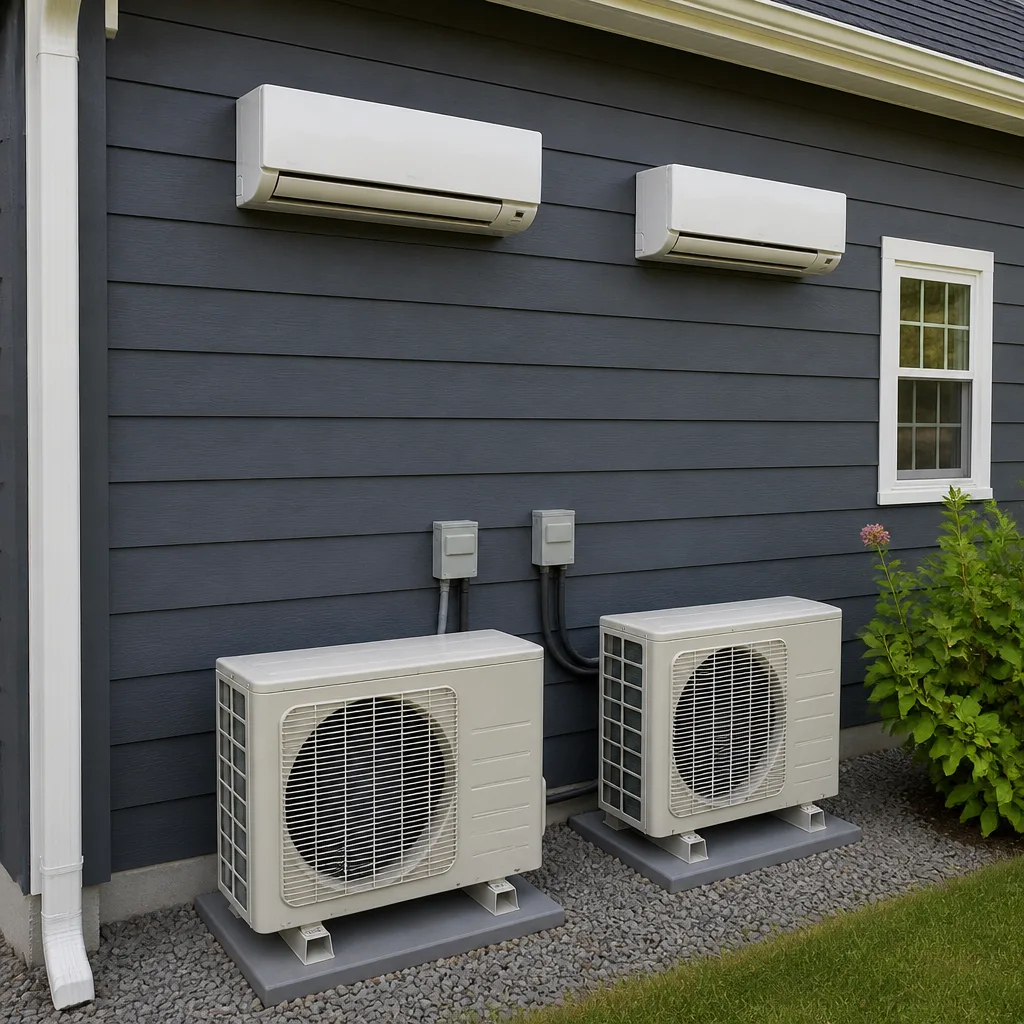 Ductless mini splits
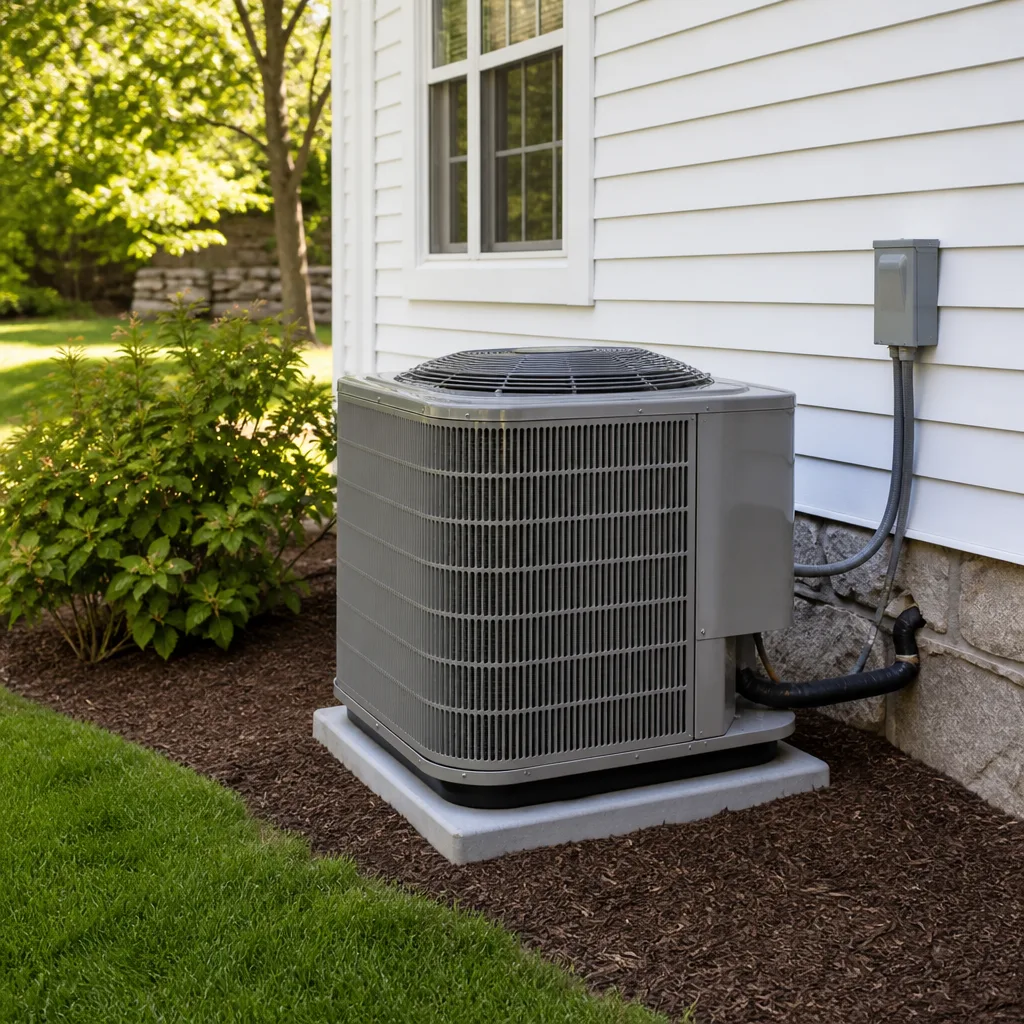 Carrier
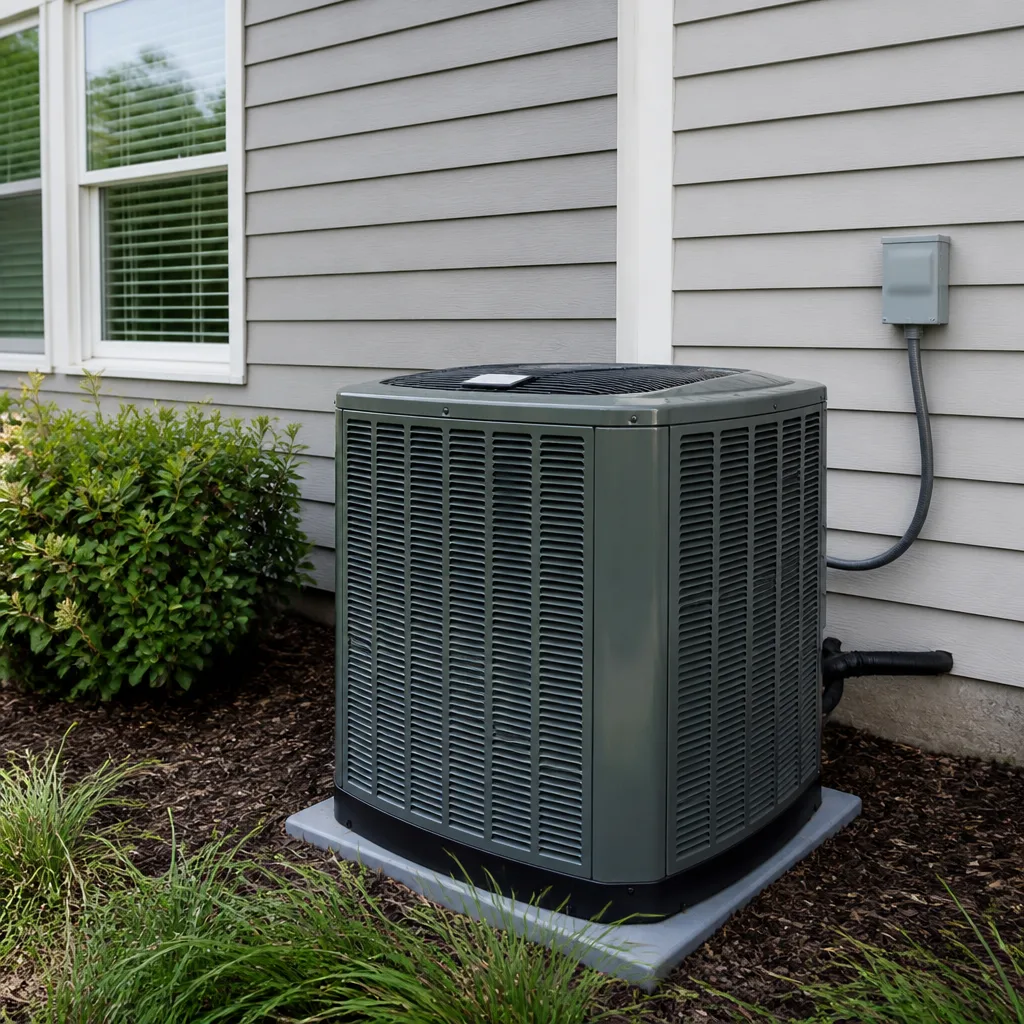 Trane
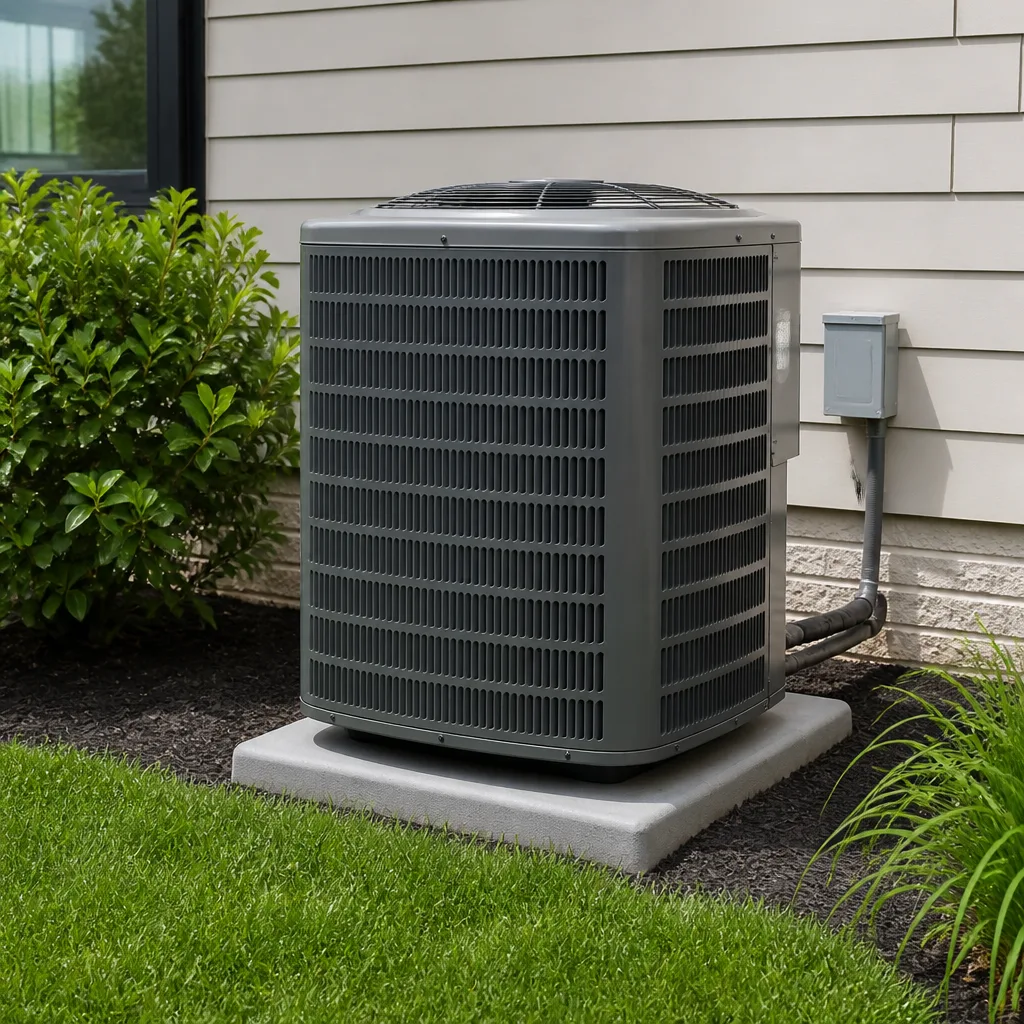 Goodman
Seasonal tune-up and full diagnostic on your Carrier, Trane, or Goodman system - readings shown to you before any repair is proposed
Diagnosis first, numbers second - you approve the repair price before a single part goes in.
Get your free estimateHow to Hire an HVAC Contractor in El Monte: A Step-by-Step Guide
California has more than 40,000 active C-20 HVAC license holders, and almost every one of them can legally hand you a bid. Holding that license does not require brand-specific training on more than one manufacturer’s equipment just that you know the trade. That single fact is why comparing three quotes in El Monte by price alone is a mistake. You’ll learn how to read a CSLB license record, what five phone questions expose in thirty seconds, why the cheapest bid usually hides a skipped load calculation, and how to spot permit language in a proposal before you sign it.
Quick Answer
To hire an HVAC contractor in El Monte, verify the license and bond on the CSLB website, ask which equipment brands the technicians actually work on, demand a written proposal with a Manual J load calculation and permit line, and compare warranty terms line by line rather than total price. The right contractor will explain their diagnosis and put the scope in writing. The wrong one leads with a number.
Styles & brands we work with
- AC repair
- Furnace & heating
- Heat pumps
- Ductless mini splits
- Carrier
- Trane
- Goodman
Table of Contents
- Step 1: Verify the C-20 License and Read the Bond Amount
- Step 2: Ask Five Diagnostic Questions on the Phone
- Step 3: Understand Why the Lowest Bid Loses
- Step 4: Look for Permit Language in the Proposal
- Step 5: Read the Warranty Beyond the Equipment
- Why Multi-Brand Experience Matters in El Monte
- What El Monte’s Climate Does to Equipment Choice
- Common Mistakes to Avoid
Step 1: Verify the C-20 License and Read the Bond Amount
Start with the California Contractors State License Board, not with the contractor’s own website. The CSLB database tells you whether a license is active, how long it’s been in that status, whether there are disciplinary actions on file, and whether the contractor’s bond is current. Anyone doing HVAC work on a home for more than $500 in labor and materials must hold a C-20 Warm-Air Heating, Ventilating, and Air-Conditioning license. No exceptions, no “we’re just helping out” workarounds.
Search by license number, not by business name. Names change, DBAs multiply, and a company can be operating under a name that doesn’t match the license on file. Get the number off the proposal, then verify it yourself.
The bond amount is the detail most homeowners skip, and it’s a useful signal. The standard contractor’s bond is a required minimum, and it tells you the contractor is at least compliant with the state floor. A contractor carrying a substantially larger bond is usually one that has grown to a size where bonds are scaled up or where a client base of larger jobs demands it. A contractor with the bare minimum isn’t automatically a bad choice, but it does tell you something about the scale of the operation.
- License status. Active is good. “Expired,” “suspended,” or “inactive” is a hard stop.
- Classification. C-20 is the HVAC class. A general B license can legally contract for HVAC work, but the C-20 is specific to this trade.
- Bond. Look for a current bond and note the amount.
- Disciplinary actions. The CSLB lists them clearly. Read them.
- Workers’ compensation. Required if the contractor has employees.
One more check: confirm the business has liability insurance and ask for the certificate. Bond protects you against certain failures by the contractor. Insurance covers damage to your home during the job. They’re not the same thing.
Step 2: Ask Five Diagnostic Questions on the Phone
You can separate a multi-brand technician from a single-brand installer with five questions. The answers matter less than the speed and specificity of the response. Someone who works across Trane, Lennox, Goodman, and Rheem equipment daily will answer in sentences, with model references and trade-offs. Someone who only installs one brand will answer in marketing phrases.
- “Which equipment brands do your technicians actually work on?” A specialist names brands. A single-brand installer deflects or names only their one line.
- “Will you run a Manual J load calculation before recommending a size?” The right answer is yes, with an explanation of the inputs (square footage, insulation, window area, orientation, occupancy). A wrong answer is a rule of thumb based on square footage alone.
- “Who pulls the permit, and is it included in the bid?” A qualified contractor includes permit line items. An unqualified one suggests skipping the permit to save money.
- “What’s your warranty on labor versus equipment?” Equipment warranties are set by the manufacturer. Labor warranties are set by the contractor, and only the contractor can tell you how long it lasts.
- “How long will the install take, and will you be the person doing the work?” If the owner is the contact but not the technician, the technician’s brand experience is the thing that matters. Ask for it plainly.
Notice none of these questions are about price. Price comes after you’ve narrowed the field to contractors who can actually diagnose and install. Getting an accurate bid from the wrong contractor only tells you what the wrong contractor would charge.
Step 3: Understand Why the Lowest Bid Loses
The lowest bid for an AC or furnace job in El Monte is almost always a shortcut bid. When one contractor comes in thousands below another, the gap usually lives in one of four places:
- Skipped Manual J. The unit is sized by square footage math or by matching whatever was there before, which is often wrong. Oversized equipment short-cycles, struggles to manage humidity, and dies early.
- Unpermitted work. The bid omits the permit and the inspection. That can cost you at resale and can cause your homeowner’s policy to deny a claim on the system.
- Cut-rate equipment line. Same brand name, but a builder-grade model with a shorter equipment warranty and lower efficiency.
- Short or missing labor warranty. The bottom-line bid covers the install and little else. If it fails in month fourteen, you’re on your own.
A properly priced bid includes the labor to do the load calculation, the permit, the equipment, the installation labor, the start-up verification, and a stated labor warranty. When a bid lacks three of those, it’s not cheaper. It’s incomplete.
Compare bids on a spreadsheet, not side by side. List the model number, the calculated size, the SEER2 rating of the quoted equipment, the permit status, the equipment warranty, the labor warranty, and the start-up test procedures. If a contractor can’t fill in the model number and the size calculation, the bid isn’t ready.
Step 4: Look for Permit Language in the Proposal
A proposal should mention the permit as a line item with a cost. That language is a proven commitment to pull the permit in El Monte and have the work inspected. A bid that says “permit not required” or “permit can be added if you want” or leaves it out entirely is a yellow flag, not a small oversight.
Most cities – El Monte included – require a permit for HVAC replacement and for most alterations to existing systems. The permit creates a paper trail: the inspector verifies the installation matches code, the equipment is listed, and safety items like the gas connection and electrical disconnect are correct. That inspection is a form of consumer protection you’re paying for.
What a clean permit paragraph looks like
The proposal states the permit will be pulled by the contractor, names the city, and lists the permit cost as a separate line. It says the contractor will coordinate the inspection. If the contractor is pulling the permit, they own the process end to end.
What a red flag looks like
The proposal avoids the word permit, or says “as required.” Or the contractor mentions in conversation that “we don’t pull permits for swap-outs.” Or the bid includes the permit but the contractor’s name on the proposal doesn’t match the license record.
If you’re unsure whether your job requires a permit, ask your city’s building department directly. That’s the authoritative answer. A contractor who tries to talk you out of making that call is telling you what they think of the process.
Step 5: Read the Warranty Beyond the Equipment
The manufacturer warranty covers the equipment. It does not cover the labor to replace it, the refrigerant, or the diagnostic visit. Those three items are where the real risk lives, and they’re the parts of the warranty most homeowners never read.
Here’s what to insist on in writing:
- Labor warranty. A stated length, in years, with a clear definition of what “labor” covers (diagnostic visit, removal, replacement, reinstallation, recharge).
- Refrigerant coverage. If the compressor fails and the refrigerant charge is lost, who pays to refill the system? The answer should be in writing.
- Workmanship warranty. Install-related failures – a failed braze joint, a duct connection that leaks, an electrical connection that overheats – are not equipment failures. They need a separate warranty.
- Parts coverage overlap. Some manufacturers cover parts for ten years; some for five. Note the actual term on the model you’re buying, not the brand’s headline term.
The A/C warranty question to ask in the room
“If the compressor fails in year three, walk me through what I pay.” If the contractor can answer that in specific numbers or specific coverages, the warranty is real. If they wave their hand and say “we’ll take care of you,” ask them to put it in the proposal. If they can’t, that’s your answer.
Our technicians have up to 15 years of experience working on this equipment, and we’ve seen what a weak labor warranty looks like two years after install. It’s the most common reason a homeowner ends up paying twice for the same job.
Why Multi-Brand Experience Matters in El Monte
Most HVAC contractors in El Monte are fluent in one or two equipment lines. Not because they’re lazy – because most contractors sell and install one brand heavily, and the equipment they work on most is the equipment they know best. The license doesn’t require multi-brand training. It just requires competency.
That matters when your home has an existing brand the contractor doesn’t work on. A Trane system that needs a Lennox replacement, or a Rheem furnace repair on a home where the last contractor installed an American Standard – those are the situations where a single-brand shop will either decline the job or recommend a full brand change.
We’re set up to work across nine manufacturers: Carrier, Trane, Lennox, Goodman, Rheem, York, Daikin, Bryant, and American Standard. That means a furnace repair on existing equipment doesn’t force a brand decision. It means a recommendation is driven by the home and the budget, not by a single-manufacturer partnership.
Brand-agnostic doesn’t mean brand-indifferent. Goodman and Rheem are often the practical choice for budget-forward replacements; Trane and Lennox tend to be stronger on efficiency; Carrier and Bryant share engineering lineage and parts availability. The right pick depends on the load calculation, the duct design, and the money. Ask a contractor to walk you through that trade-off and see if the answer changes when you change your budget.
What El Monte’s Climate Does to Equipment Choice
El Monte summers are hot and dry, and that combination drives equipment choice more than most homeowners realize. On a dry inland valley day, sensible heat removal drives the load. Humidity control matters but it doesn’t drive the sizing math the way it does closer to the coast. The result: contractors who size by square footage instead of running the load calculation routinely oversize systems, especially on older, smaller homes in the neighborhoods off Peck Road, Lower Azusa Road, and the streets surrounding Valley Mall.
Oversizing causes a specific failure: the unit hits the setpoint quickly, cycles off before it removes enough moisture, and the house feels cold in spots and clammy overall. Short cycling also wears the compressor faster. In a hot climate the wear compounds over the ten to fifteen years a well-installed system should last.
Winters here are mild. Heating loads are low, so furnace replacement is usually a repair-driven decision rather than a comfort-driven one. That said, older gas furnaces in El Monte homes deserve a real inspection when they cross into the fifteen-to-twenty-year range, and a properly sized replacement furnace still requires a load calculation, not a visual match to the old one.
If you’re comparing quotes for AC installation right now, the load calculation is the first item to compare. Contractors who lead with it are the ones you want.
Common Mistakes to Avoid
- Hiring the lowest bid without reading the exclusions. The number at the bottom is meaningless if the scope is thin. Read the proposal for what’s omitted, not just what’s priced.
- Skipping the CSLB check. Two minutes on the state site eliminates a class of contractors you don’t want. Doing it after the job starts is too late.
- Letting the contractor size the unit by square footage alone. A Manual J load calculation is the standard, and a contractor who skips it is guessing on equipment that costs thousands.
- Accepting “we don’t need a permit for a swap-out.” That’s the contractor transferring their convenience onto your risk. Permit language belongs in the bid.
- Not confirming the equipment model number in writing. Brand and model are two different things. The proposal should name both.
- Assuming the equipment warranty is the whole warranty. Labor, refrigerant, and workmanship are separate. Ask for them in writing.
- Choosing a contractor who only installs one brand. If your existing equipment is a different brand, you’ve just limited your repair options to one path.
See the difference
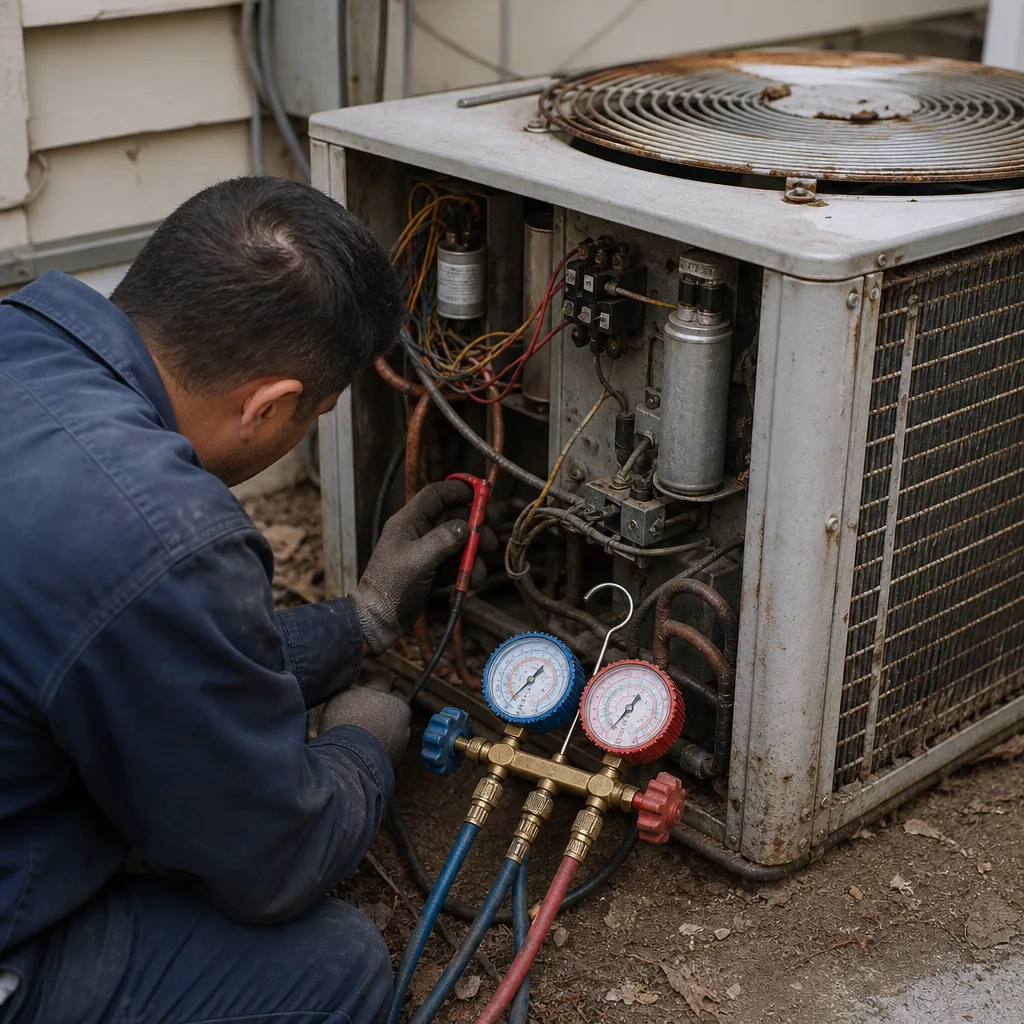 Before
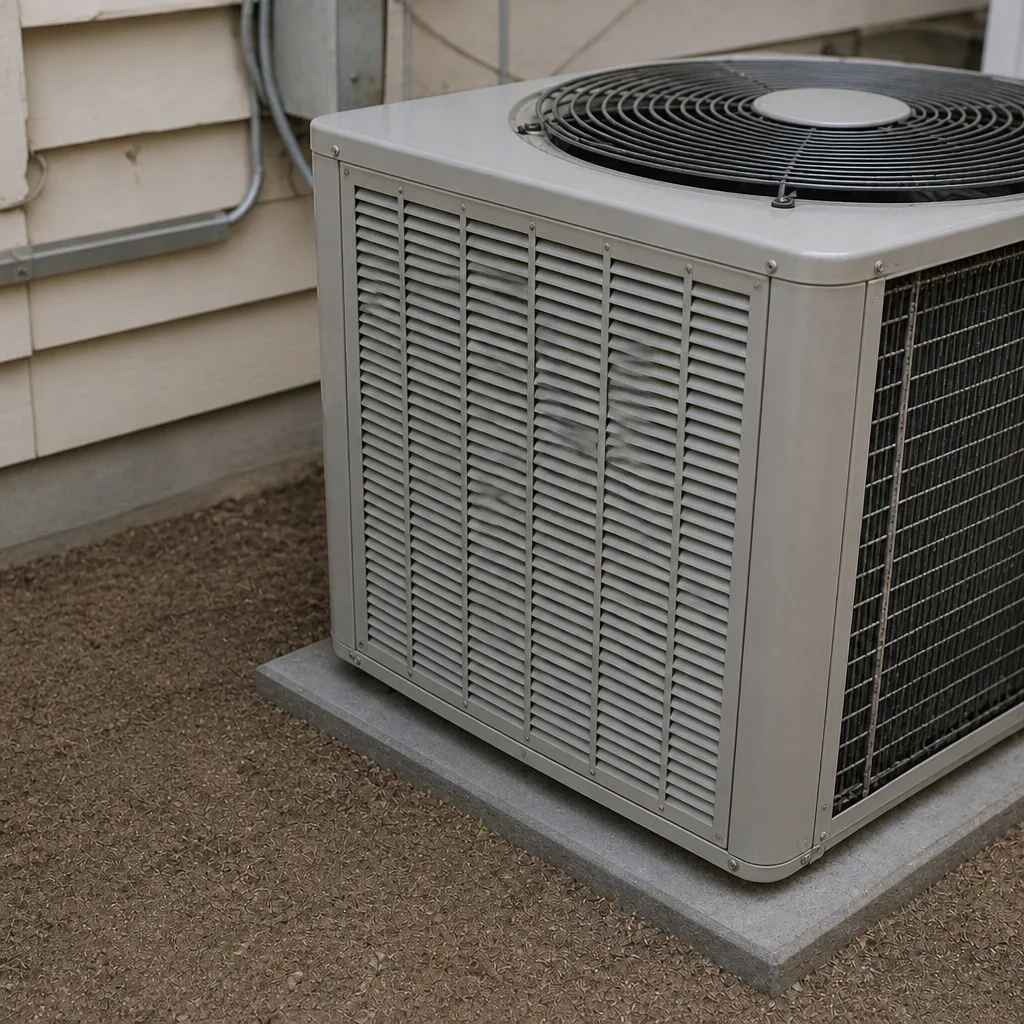 After
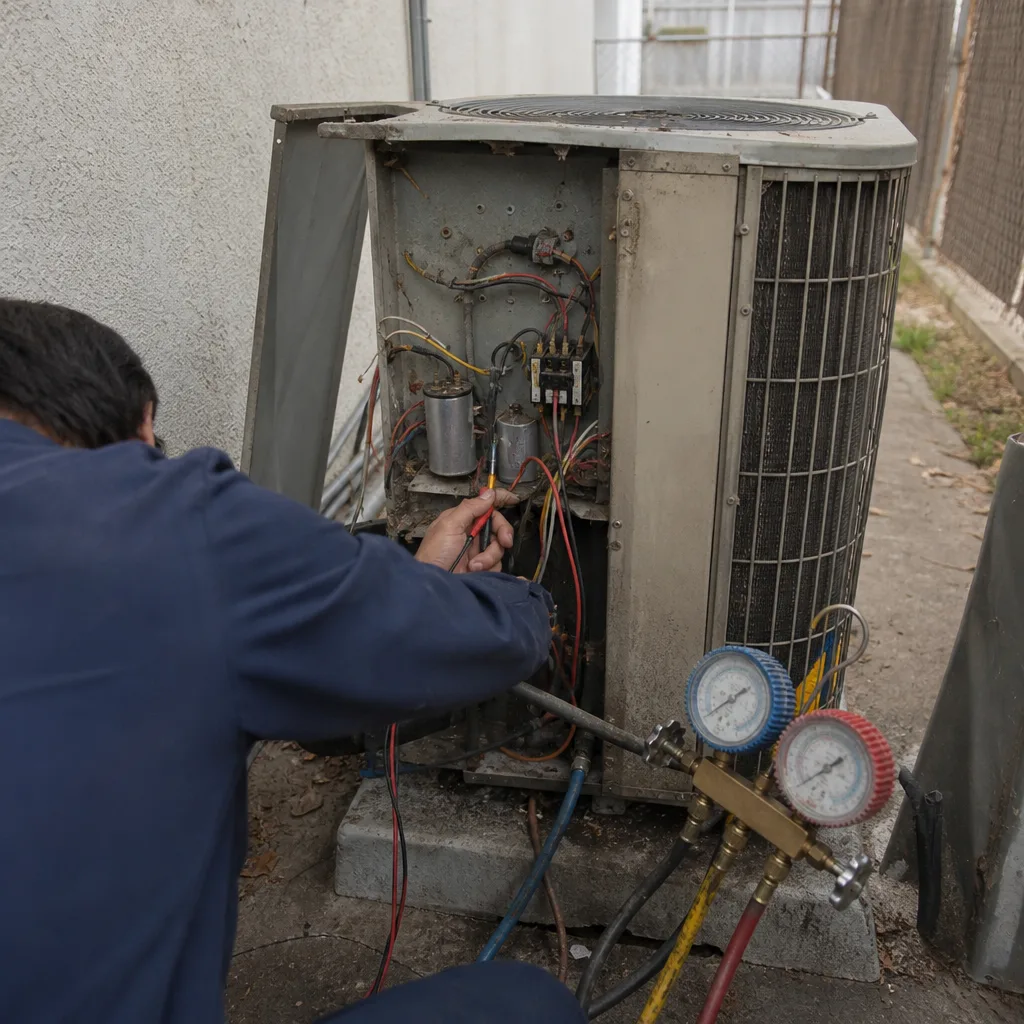 Before
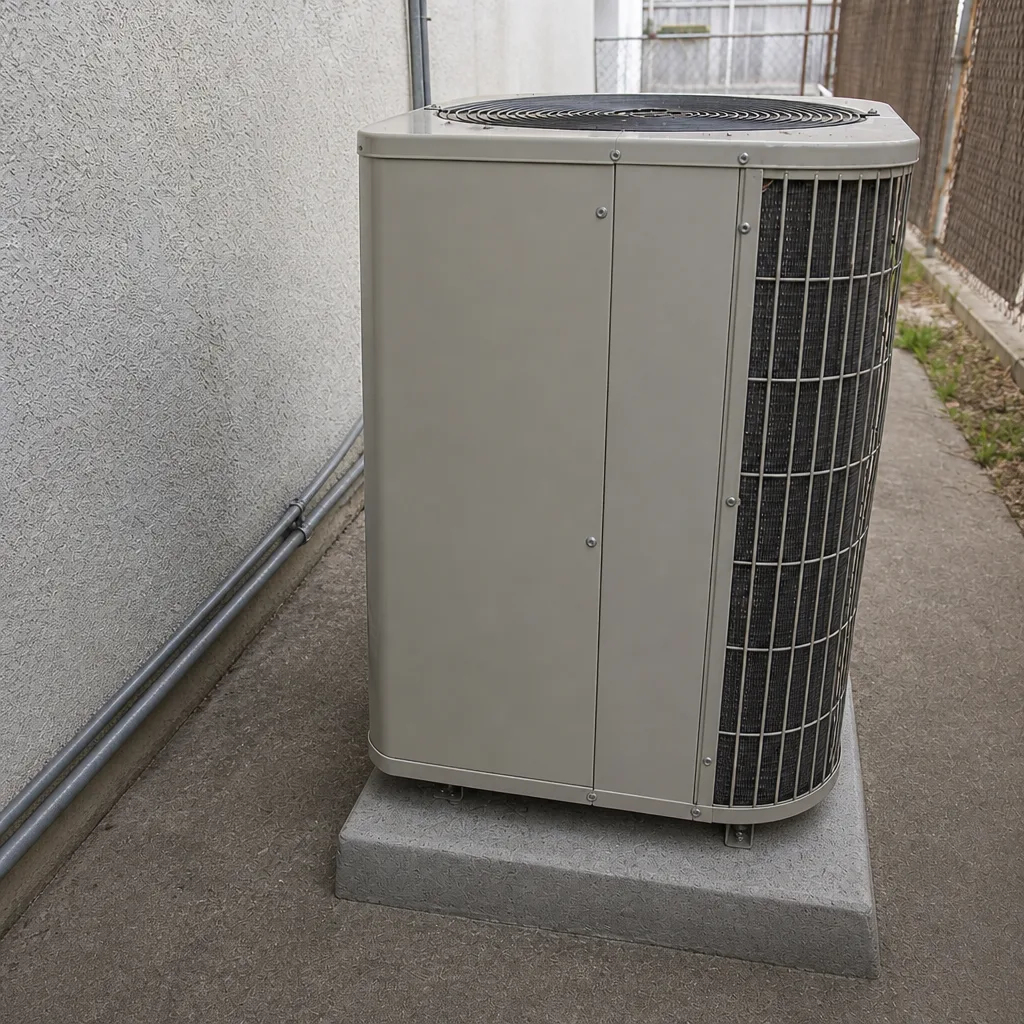 After
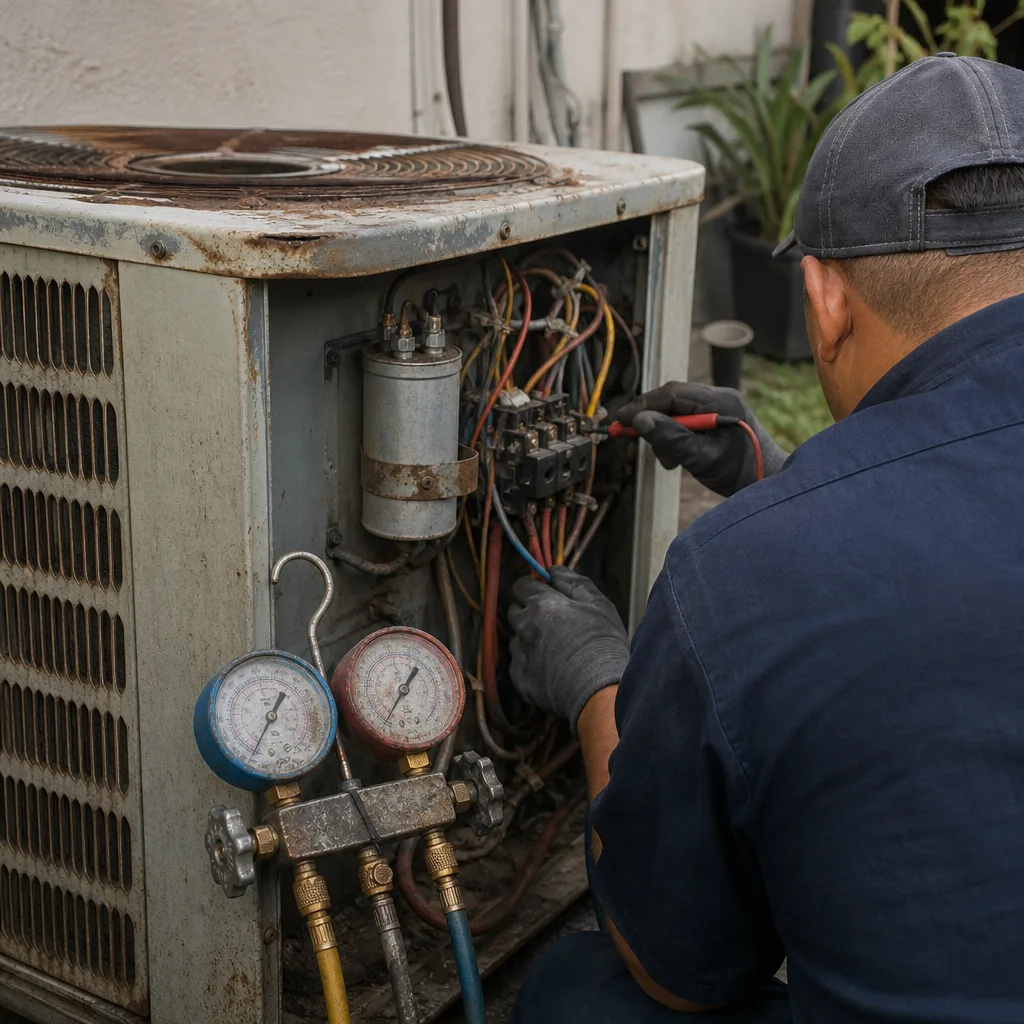 Before
 After
When to Call a Professional
Some jobs are obviously professional. Compressor failures, refrigerant leaks, gas furnace ignition problems, and electrical work inside the air handler are all in that category. But several situations in El Monte are less obvious. If your AC runs constantly and the house doesn’t cool, the diagnosis can point to refrigerant, airflow, thermostat, or the compressor itself – and the wrong guess wastes a season. If the equipment is over fifteen years old and repairs are recurring, the right call isn’t another repair, it’s a load calculation and a replacement conversation. If the furnace is making new noises, or the flame is a strange color, stop using it and call. Gas and electrical components are not DIY territory.
AC Repair El Monte offers free estimates in El Monte – call (833) 943-2930. We answer 24/7. Fast dispatch from 7am to 7pm, Sunday through Friday.
Frequently Asked Questions
Yes. California requires a C-20 license for HVAC work on a home above the small-job threshold, and El Monte follows state requirements. Verify the license on the CSLB website before signing anything. Call (833) 943-2930 for a free estimate on a job we can quote.
Go to the Contractors State License Board website and search by license number, not by business name. Check that the status is active and the bond is current, and read any disciplinary actions listed. The proposal should carry the license number.
Most HVAC replacements and alterations require a permit, and a proper proposal lists it as a line item. Ask your city’s building department for a definitive answer on your specific job. A contractor who tries to skip the permit is a red flag, not a shortcut.
A properly sized and installed system typically lasts ten to fifteen years, and the key word is “properly sized.” Oversized equipment short-cycles and wears out faster in a hot, dry climate like El Monte’s. A Manual J load calculation is your best insurance against that failure.
If the furnace is old, the repair cost is significant, and the failures are recurring, replacement usually wins. For a furnace repair that’s small and the unit is otherwise healthy, repair is the right call. We walk you through the math on both options before quoting.
Some contractors work on every major brand; most only work on the one or two lines they sell and install most often. Ask directly. We install and repair Carrier, Trane, Lennox, Goodman, Rheem, York, Daikin, Bryant, and American Standard equipment across El Monte, and recommendations are driven by the home and the budget, not a single-brand partnership.
The Bottom Line
Hiring an HVAC contractor in El Monte comes down to separating specialists from volume shops. Verify the C-20 license and bond on the CSLB site. Ask the five phone questions and listen for specificity. Reject any bid without a Manual J load calculation or a permit line. And read the labor warranty, refrigerant coverage, and workmanship terms before you sign. The right contractor will be the one who puts all of it in writing without being asked. Get a free estimate from a team that handles cooling and heating under one call, works across nine major equipment brands, and sets the price per job in a written estimate.
Written by the team at AC Repair El Monte.