
Last updated November 16, 2026
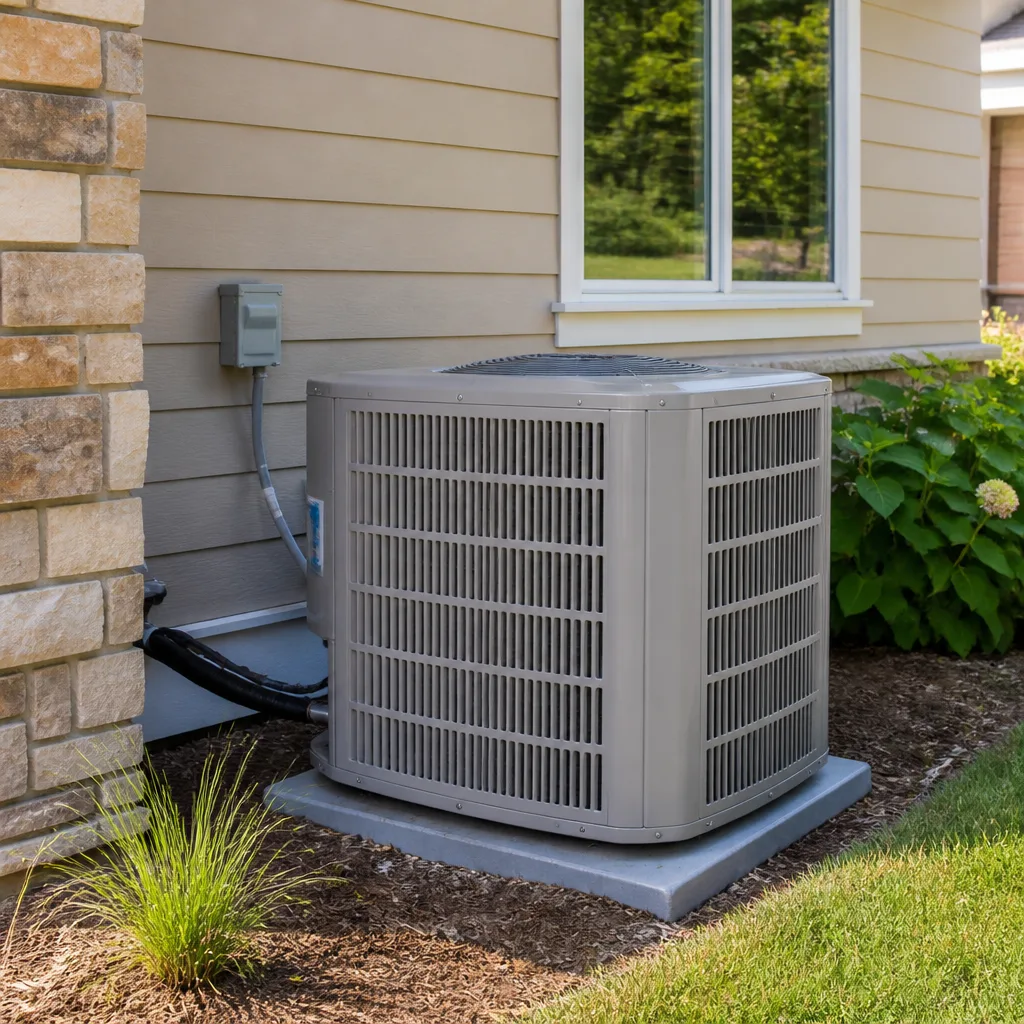 AC repair
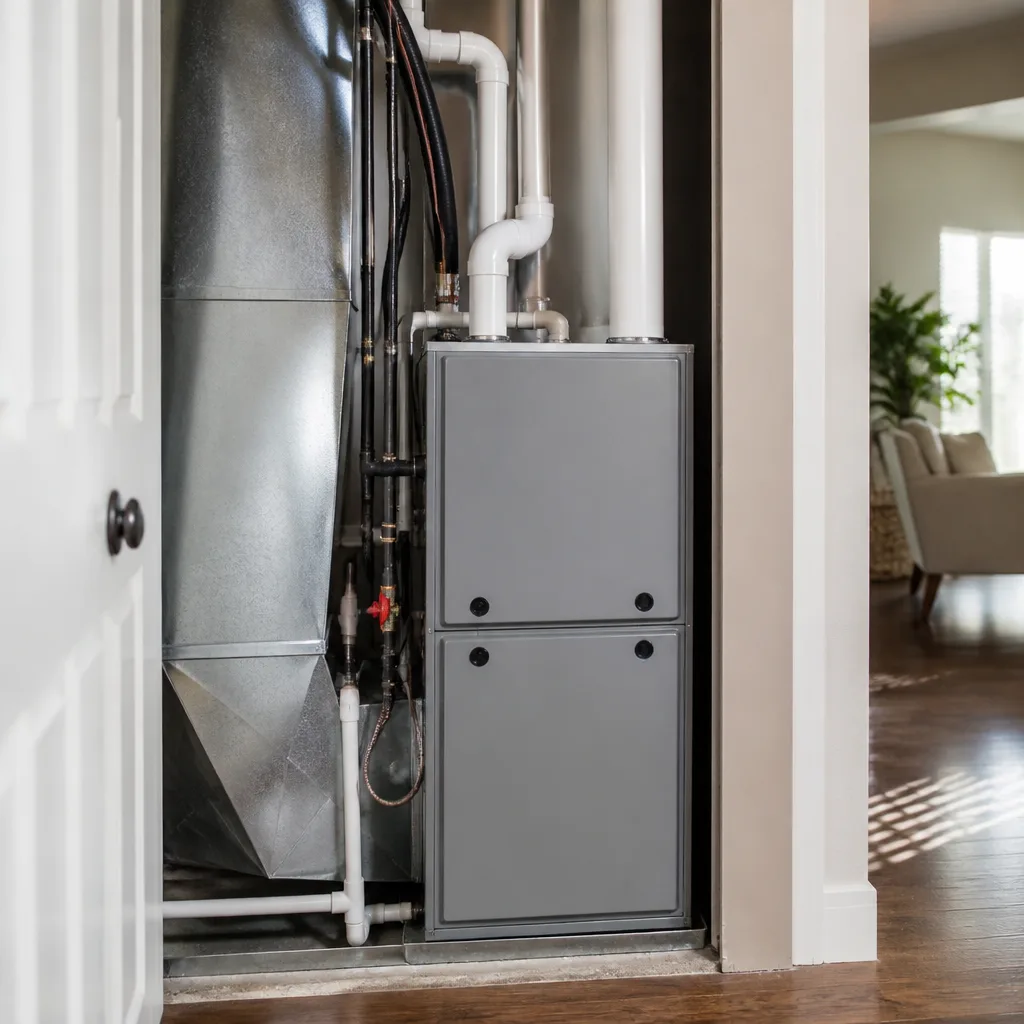 Furnace & heating
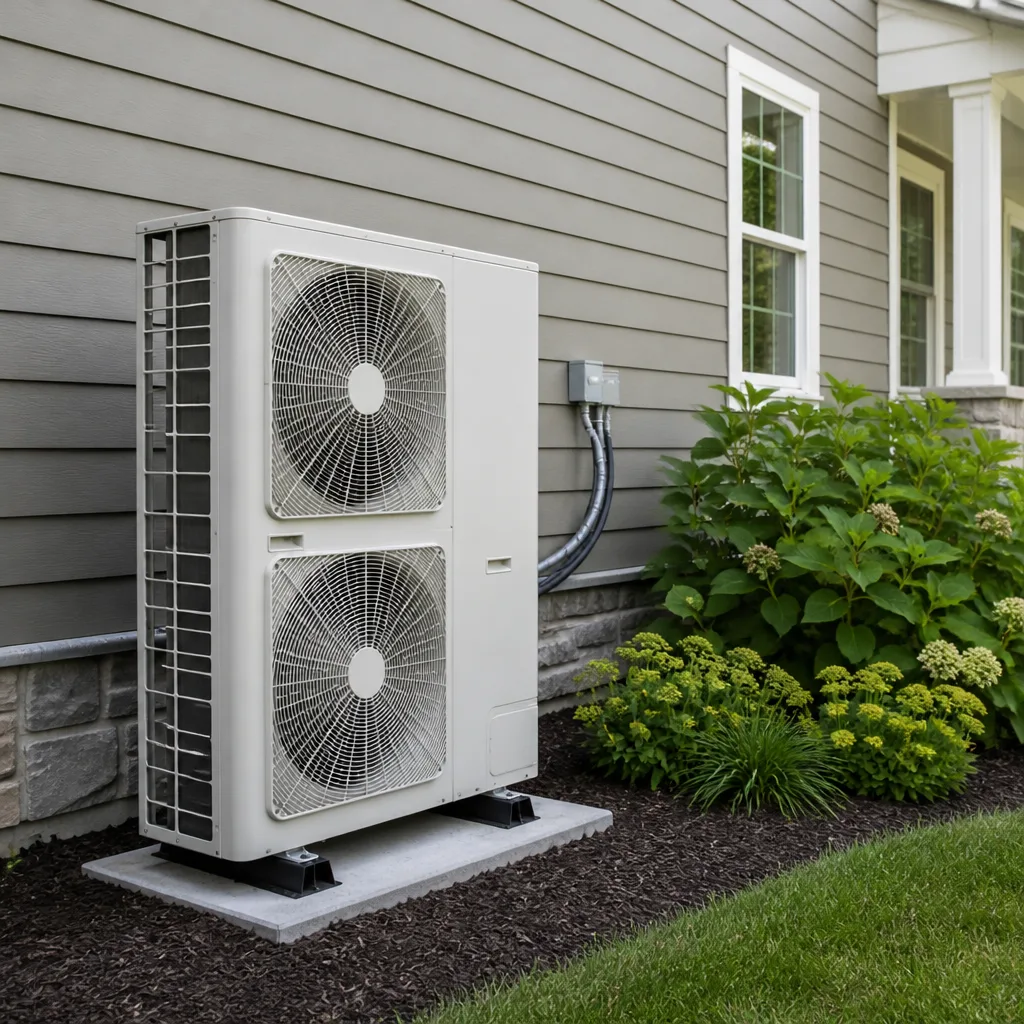 Heat pumps
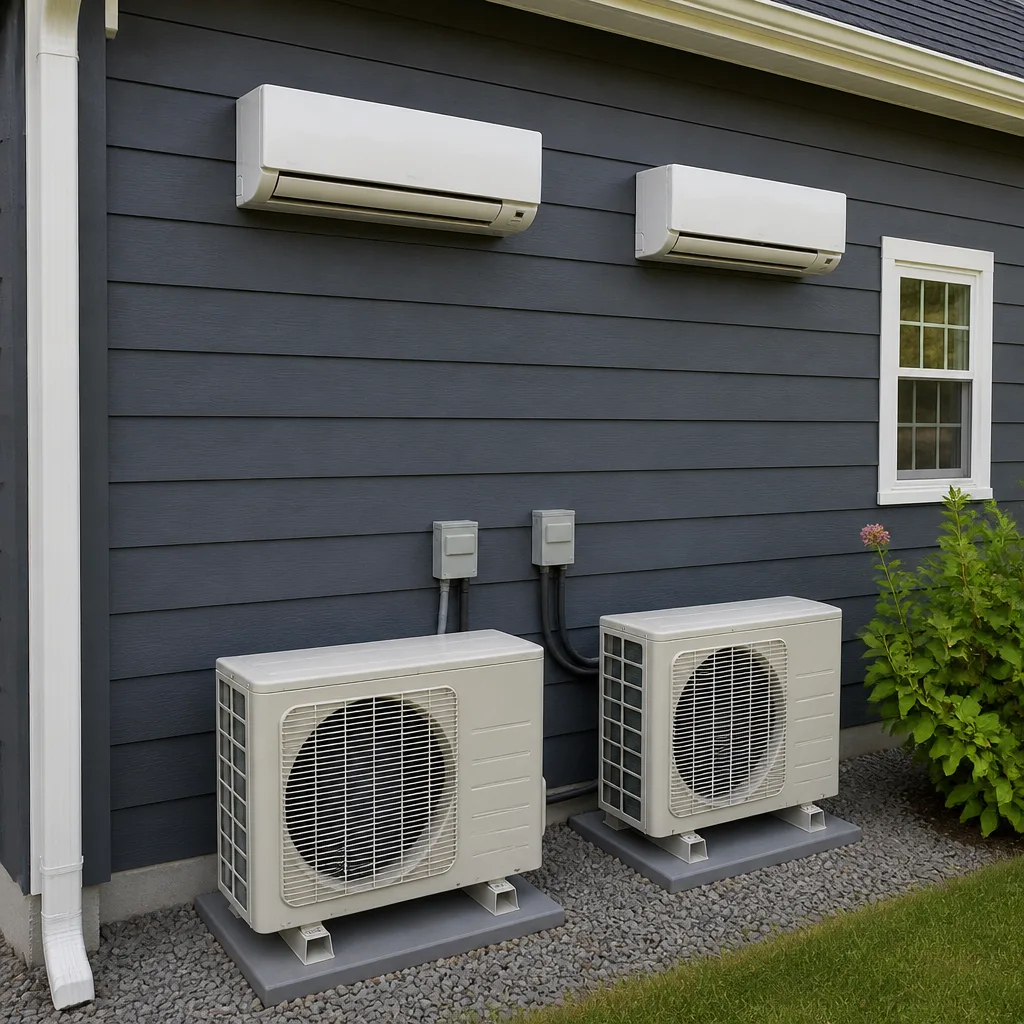 Ductless mini splits
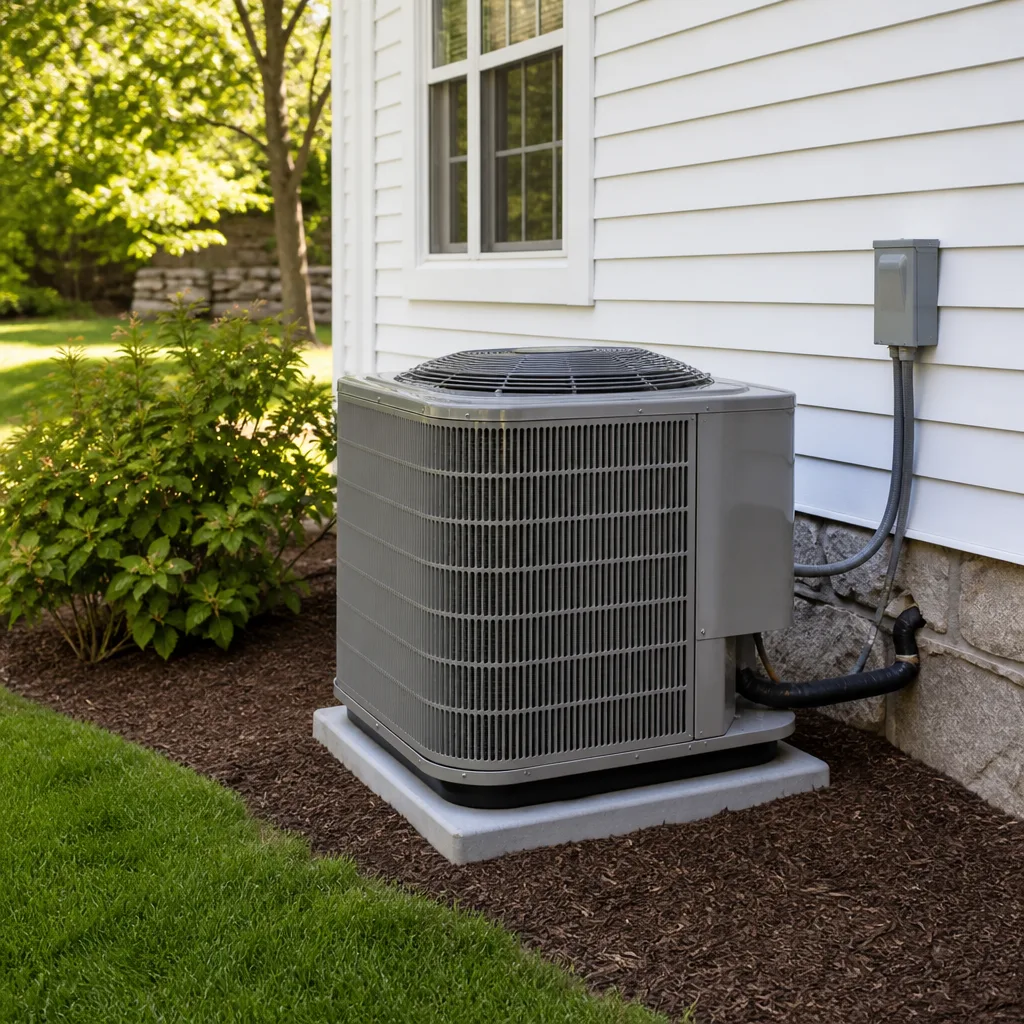 Carrier
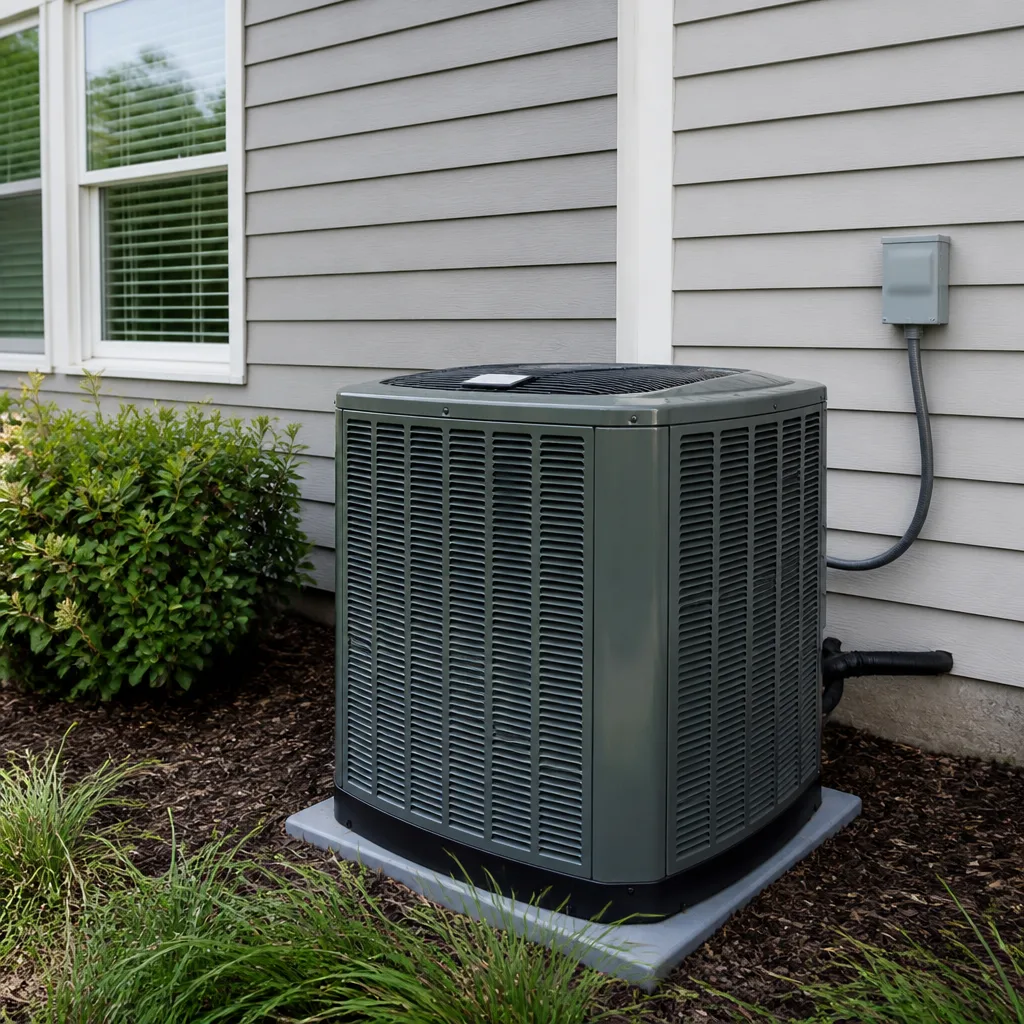 Trane
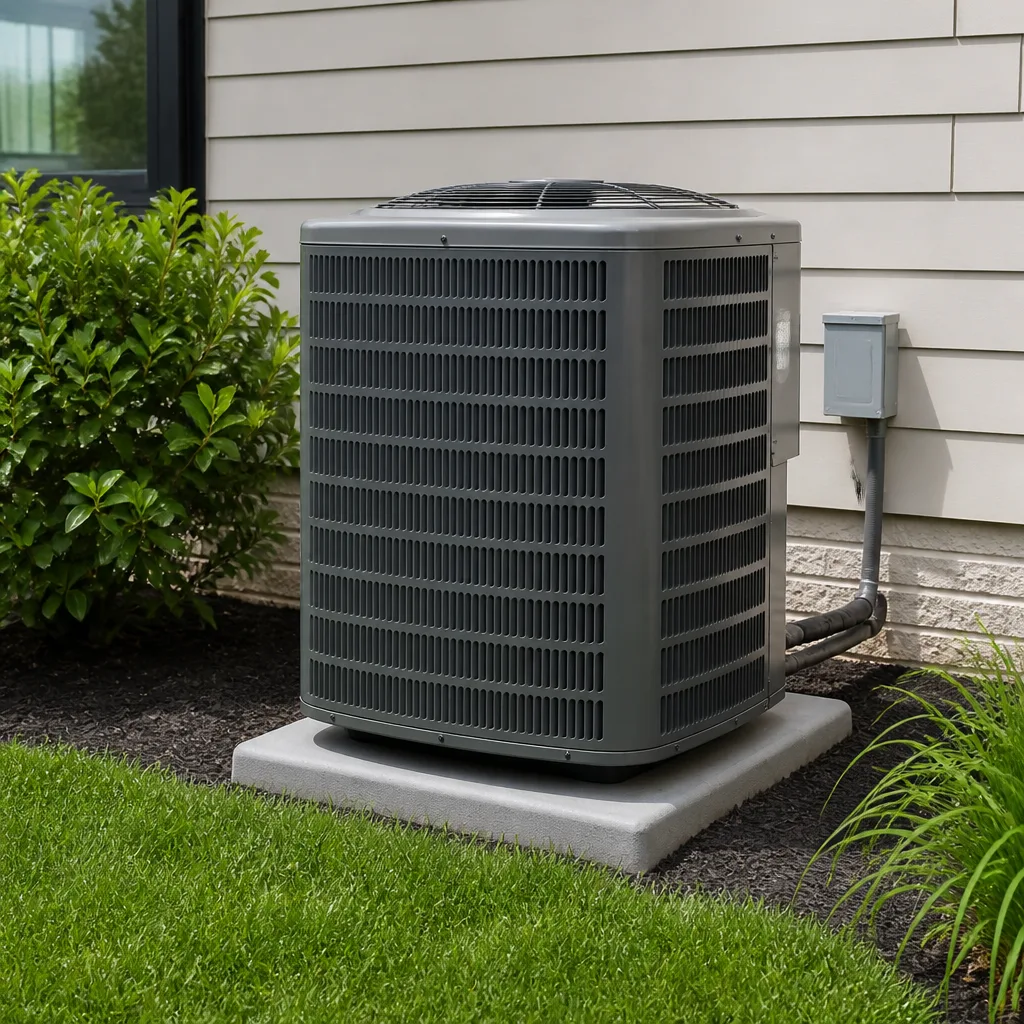 Goodman
Seasonal tune-up and full diagnostic on your Carrier, Trane, or Goodman system - readings shown to you before any repair is proposed
Diagnosis first, numbers second - you approve the repair price before a single part goes in.
Get your free estimateDIY vs Professional HVAC: The El Monte Homeowner’s Decision Guide
Replacing a capacitor in your own air conditioner is legal in California. Topping off refrigerant yourself is a federal crime that can carry fines running into the tens of thousands of dollars per day. Both procedures show up in the same DIY HVAC YouTube tutorials, often back to back, with no line drawn between them. That’s the problem with most DIY-versus-pro advice: it treats every task as one category and frames the decision purely as a money question. In El Monte, the better question is a legal one. This guide walks through what you can safely handle, what the law reserves for a licensed contractor, what voids your manufacturer’s warranty, and where a simple fix quietly hides a bigger failure.
Quick Answer
In El Monte, you can legally and safely handle HVAC tasks that touch only the parts outside the sealed refrigerant loop and the electrical panel: changing air filters, swapping a compatible thermostat, cleaning accessible coils, and sealing accessible duct joints. You cannot legally handle refrigerant in any form (handling it requires Section 608 certification under the Clean Air Act), and any work on the sealed system, gas connections, or high-voltage wiring should be done by a licensed contractor. Anything you do to the sealed system or electrical side without that licensing can also void your manufacturer’s equipment warranty.
Styles & brands we work with
- AC repair
- Furnace & heating
- Heat pumps
- Ductless mini splits
- Carrier
- Trane
- Goodman
Table of Contents
- The Legal Split: What California Actually Lets You Do
- What Voids a Manufacturer Warranty (And What Doesn’t)
- Cost-Benefit of the Five Most Common DIY HVAC Attempts in El Monte
- Tools You’d Actually Need (And What They Cost)
- When a Simple Fix Masks a Bigger Problem
- Why El Monte’s Climate Makes HVAC Decisions Different
- Why Brand Familiarity Matters When You Do Call
- Common Mistakes to Avoid
The Legal Split: What California Actually Lets You Do
The HVAC industry line between legal DIY and professional-only work is not where most people think it is. It has nothing to do with difficulty. It’s about refrigerant. Under the federal Clean Air Act and its Section 608 rules, anyone who handles, adds, or removes refrigerant from an HVAC system must hold EPA Section 608 certification. That’s federal, and it applies to homeowners. On top of that, California requires HVAC contractors to hold a C-20 Warm-Air Heating, Ventilating, and Air-Conditioning Contractor license to perform HVAC work, and a permit from the local building department is typically required for equipment replacement. Older equipment often uses R-22 refrigerant, which is fully phased out – there’s no legal channel to acquire it without professional certification.
Here’s the split that matters in El Monte:
- Legal for any competent homeowner: filter replacement, thermostat swap (low-voltage only), accessible exterior coil cleaning, accessible duct sealing, and brushing off the outdoor unit.
- Requires an EPA-certified technician: any refrigerant handling, adding, recovering, or leak repair on the sealed loop.
- Requires a licensed C-20 contractor in California: system evacuation and recharge, compressor or coil replacement, electrical work inside the unit or at the disconnect, and gas-line work for furnaces.
- Requires a permit and licensed contractor: replacement of the AC condenser, indoor coil, or furnace. Most cities, El Monte included, require a permit for equipment replacement so the installation can be inspected.
If you’re unsure whether a task is on the legal side of the line in El Monte, the fastest answer is a phone call to your city’s building department. If it involves the sealed loop or the gas line, it’s not a DIY task.
What Voids a Manufacturer Warranty (And What Doesn’t)
Manufacturer warranties across major brands like Lennox, Goodman, Rheem, and York generally span two time windows: a shorter full-coverage period, and a longer “limited” period that covers the compressor or heat exchanger. The clause homeowners most often miss is the installation-and-service requirement. Under typical brand warranty documents, the equipment must be installed and serviced by a licensed contractor, and any repair to the sealed system must be done by a certified technician. If you open the sealed system yourself, or a repair that isn’t documented turns out to cause a component failure, that failure is generally excluded.
The good news is that not every DIY task puts the warranty at risk. Here’s the honest line:
- No warranty risk: filter changes, thermostat swaps using the manufacturer’s own recommended model, exterior coil cleaning with coil-safe cleaner.
- Rolls the dice: capacitor replacement. Legal, and it usually works, but a wrong-spec cap can overheat the compressor. A licensed technician documents the repair, which keeps the compressor warranty intact.
- Voids coverage: any sealed-system repair (compressor, coil, refrigerant), any electrical work inside the air handler, any gas-line work on the furnace.
The practical takeaway: on an aging Lennox or Goodman unit still inside its compressor warranty, the total cost of a DIY sealed-system mistake usually exceeds any money saved by skipping the service call. We hear this explained well by the manufacturer’s own warranty documents, which list “repairs made by unlicensed persons” among the exclusions.
Cost-Benefit of the Five Most Common DIY HVAC Attempts in El Monte
Here’s how the five most common DIY attempts actually pencil out for El Monte homeowners. Cost ranges below are typical ballpark figures for this market; the written estimate from a licensed contractor sets the final price.
- 1. Filter replacement. A standard pleated filter costs around $10 – $30. It takes under 5 minutes. Filter changes are among the highest value DIY tasks in HVAC, because a clogged filter is one of the most common causes of reduced airflow, frozen coils, and high energy bills. Replace quarterly, or monthly during heavy summer use. Verdict: every homeowner should do this.
- 2. Thermostat swap. A compatible smart or programmable thermostat typically runs $80 – $250 depending on features. Installation takes 30 – 60 minutes with a phone camera photo of the old wiring before removal, the breaker off, and the new unit’s model matched to your system type (single-stage, two-stage, heat pump). If your home uses line-voltage or has a C-wire complication, this moves from DIY to professional. Verdict: reasonable DIY for a confident homeowner with the right thermostat.
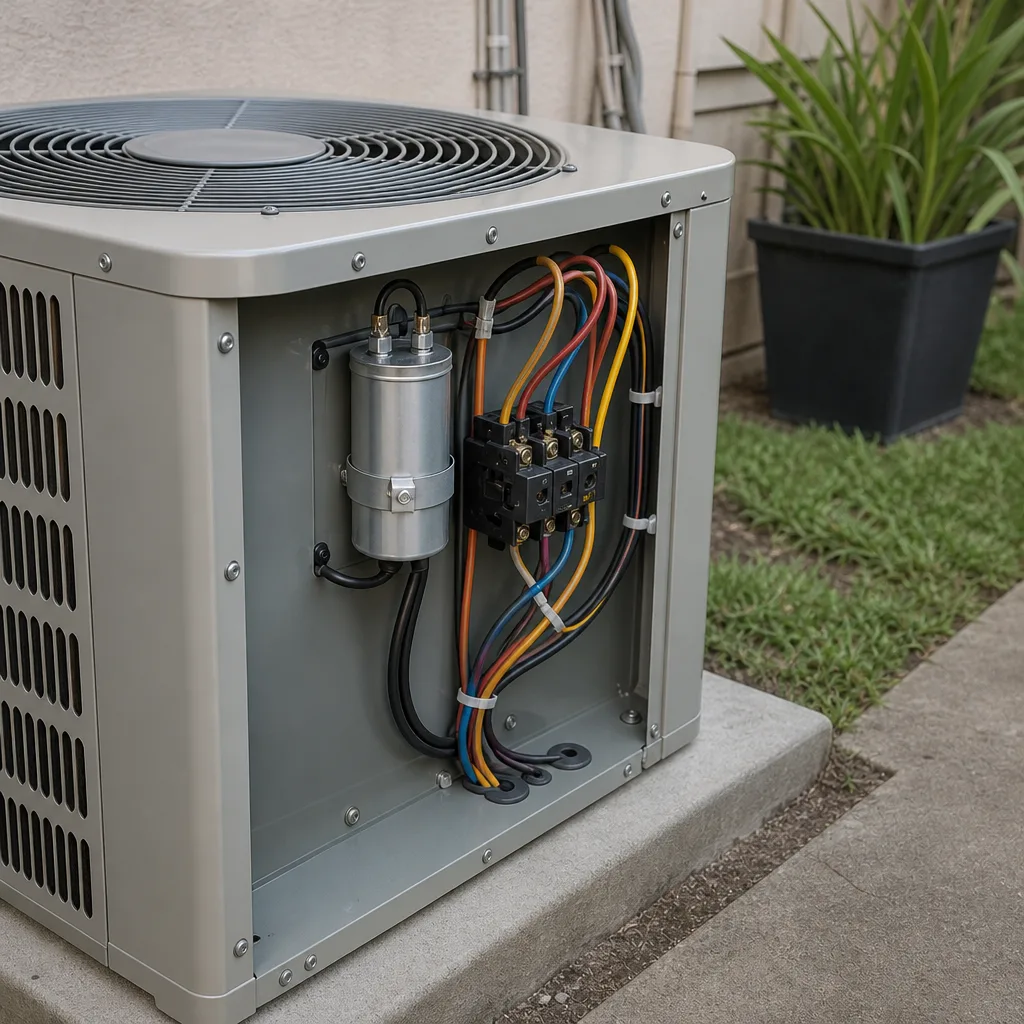
- 3. Capacitor replacement. The capacitor itself costs $15 – $40. Installation is 20 minutes. It requires that the breaker be off and the capacitor discharged with a resistor – capacitors hold a lethal charge even with power off, so any DIY approach here must treat the component as live until proven otherwise. A wrong-spec capacitor can overheat a compressor and turn a small fix into a costly repair. Verdict: legal, but the cheapest of the three because failure carries a high cost. A service call for a bad capacitor typically costs $150 – $350 installed in this market, which is often cheaper than the compressor that a bad DIY swap may eventually take out.
- 4. Coil cleaning. Consumer coil spray runs $10 – $25. Exterior condenser coil cleaning is easy, safe, and genuinely useful for a system working hard through El Monte summers. Indoor evaporator coil cleaning is harder to access and easy to damage with the wrong brush. Verdict: do the outdoor coil yourself; leave the indoor coil alone.
- 5. Duct sealing. Foil tape and mastic cost $15 – $40. Sealing reachable joints on accessible ducts in the attic or crawl space makes a real difference to airflow and comfort. Sealing behind walls, under flooring, or at concealed joints isn’t DIY work. Verdict: worth doing on the parts you can reach.
Add it up honestly. A homeowner who successfully handles filters, thermostat, exterior coil, and accessible duct sealing saves real money each year. A homeowner who attempts a capacitor swap and gets the spec wrong may spend several times what a professional repair would have cost.
Tools You’d Actually Need (And What They Cost)
This is the part of the DIY decision nobody runs numbers on. The handful of tasks considered genuinely safe for homeowners require modest tools. The tasks that go beyond that require a specific professional toolkit with prices that dwarf a single service call.
Genuine DIY toolbox for El Monte homeowners:
- Screwdriver set (Phillips and flathead) – around $15 – $30.
- Adjustable wrench – around $10 – $20.
- Non-contact voltage tester – around $15 – $30. Non-negotiable if you’re touching a thermostat or capacitor.
- Shop vacuum for coil and drain pan cleaning – around $40 – $80.
- Coil cleaner spray – around $10 – $25.
- Foil HVAC tape and mastic – around $15 – $40.
Total entry cost: roughly $100 – $225 for everything above. That’s a reasonable investment that pays back through the life of the home.
Professional toolkit that a serious DIY person would need for anything beyond that:
- Digital manifold gauge set – $100 – $250.
- Vacuum pump – $150 – $500.
- Micron gauge – $150 – $350.
- Refrigerant recovery machine – $400 – $900.
- Clamp meter – $80 – $200.
- EPA Section 608 certification (still required regardless of tools) – exam and study materials, plus you can’t legally handle refrigerant without it.
Add those up and you’re past $900 before you’ve bought a single ounce of refrigerant, and you still can’t legally use the recovery machine without certification. For all but the most serious DIY homeowner, the professional toolkit math doesn’t work for a one-off job.
When a Simple Fix Masks a Bigger Problem
This is where DIY gets expensive quietly. The most common scenario we run into: a homeowner replaces a filter or a capacitor, the system starts running again, and everyone moves on. Three weeks later the compressor is dead, and the actual cause – undersized return air, a failing run capacitor with a matching shorted fan motor, or a slowly leaking coil – was never diagnosed. Here’s how that plays out in El Monte homes:
- Frozen coil, cleaned filter, frozen coil again. A frozen indoor coil usually signals low refrigerant charge or restricted airflow. Changing the filter buys time, but the underlying leak is still there. Left alone through an El Monte summer, a low-charge system can run continuously and fail the compressor.
- Capacitor swap that “fixed” a struggling fan. If a fan motor is drawing high current because its bearings are going, a new capacitor makes it spin again for a while. Then it dies mid-summer along with the outdoor fan motor.
- Thermostat swap that hides a control board fault. A new smart thermostat can appear to fix a system whose control board was flaking intermittently. The board fails fully in the middle of a 100°F week.
- Duct tape over a compressor-related symptom. Sealing ducts raises static pressure. If the system was already undersized on return, raising static pressure makes the coil freeze faster.
- Refrigerant “top-off” that never gets documented. A fast top-off without a leak search or vacuum holds for weeks, then leaks out again. Each cycle shortens the compressor’s life.
The common thread: every one of those first fixes was cheap. The bill that follows is the expensive part. A licensed technician’s furnace repair or AC service visit is a full diagnostic – pressures, amperage, airflow, and temperature differential – that catches the real problem while it’s still small.
Why El Monte’s Climate Makes HVAC Decisions Different
El Monte sits in the San Gabriel Valley, inland of the coastal influence and warmer than the beach cities. Summer afternoon highs the valley through July and August push past 95°F regularly, and nights on many of those days stay well into the 70s – meaning an air conditioner in El Monte often runs nearly around the clock during peak summer rather than cycling on and off. That pattern matters for the DIY decision. A system that runs continuously will overheat a wrong-spec capacitor faster, will freeze a low-charge coil harder, and will consume a filter in less time than the 90-day conventional wisdom suggests.
Winters here are mild. Heating loads are modest, which means a furnace in an El Monte home often runs only a few hours in a cold snap – which in turn means furnace problems can sit dormant for months before they surface. A homeowner who defers a furnace diagnostic through summer often finds out in December, when the first cold snap hits and the system won’t fire.
The takeaway from the local climate is simple: on the cooling side, quick action matters because the system runs continuously; on the heating side, seasonal maintenance matters because the failure hides. Either way, it’s a decision to be deliberate about – not one to leave until a 100°F day forces it.
Why Brand Familiarity Matters When You Do Call
We mention this because the DIY-versus-pro question has a third path hidden inside it: do it yourself, hire a licensed pro, or hire a licensed pro who actually knows your equipment. Those are three different decisions. An El Monte homeowner with a Lennox, Goodman, Rheem, or York unit is not well served by a contractor learning that brand’s control boards and diagnostics on your job. Every one of those brands has model-specific quirks – Goodman’s control board fault codes read differently than Lennox’s, York’s older package units use wiring conventions that don’t look like Rheem’s – and a technician who’s worked the equipment before diagnoses faster and with fewer return visits.
Our team works across nine of the industry’s leading manufacturers: Carrier, Trane, Lennox, Goodman, Rheem, York, Daikin, Bryant, and American Standard. It’s not about a favorite brand – it’s that we’ve handled each one’s common failure points enough times to know which way to look first. That’s a real edge over a general repair shop that also does plumbing and light electrical.
When the question shifts from “should I DIY?” to “should I repair or replace?”, the same brand familiarity is what makes a AC installation recommendation honest – sized to the home’s actual load, not to whatever inventory happens to be sitting in a warehouse. Furnace replacement follows the same rule: right-sized, brand-matched to the home, with the paperwork handled. Our team handles heating and cooling under one call so you’re not juggling two contractors and two schedules when both systems are aging.
If you’re in El Monte and just need a fast read on whether a repair is worth it, our AC repair in El Monte team can answer that question quickly. And if you’re evaluating a rebuild of your heating system, the El Monte service area page gives a clearer picture of what we cover.
Common Mistakes to Avoid
These come up again and again in El Monte homes. Each one is a money mistake, not a convenience one:
- Skipping the EPA certification rule on refrigerant. Handling refrigerant without Section 608 certification is a federal violation, and the fine structure can run tens of thousands of dollars per day. This isn’t a gray area – it’s a hard line.
- Buying a thermostat without checking system compatibility. A smart thermostat that says it works with “most systems” often doesn’t work with a two-stage or heat pump system without a C-wire adapter. Match the thermostat to your system’s stage count and type before purchase.
- Replacing a capacitor with the wrong microfarad rating. A close match is not a match. Read the spec stamped on the old capacitor exactly, and if the label is smudged, have a technician read it and order the correct part for you.
- Doing a top-off instead of a leak search. Refrigerant doesn’t get used up – a system that’s low has leaked. Topping off without finding the leak guarantees you’ll be back in the same place in weeks.
- Sealing ducts without checking static pressure first. Sealing accessible joints helps; sealing a system that was already undersized on return air makes things worse. If your system is new enough to have a fan curve spec sheet, look at it before you start taping.
- Using the quarterly filter rule in a valley summer. An El Monte home that runs the AC continuously through July and August will clog a filter faster than 90 days. Check monthly during June through September.
- Letting a “simple fix” skip the diagnostic. If the same symptom returns two times in one season, that’s a signal the fix wasn’t the problem. Get a full diagnostic before the next repair.
See the difference
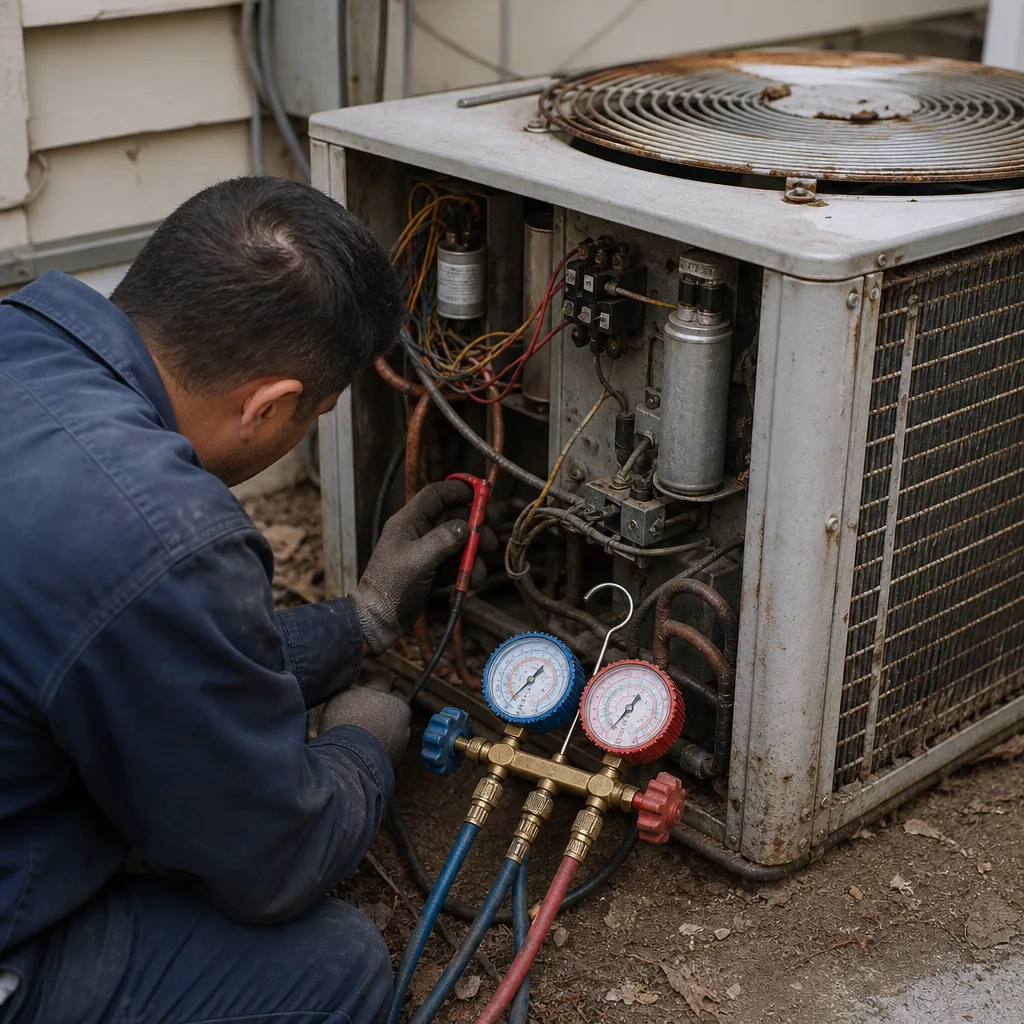 Before
 After
 Before
 After
 Before
 After
When to Call a Professional
Call a licensed technician when the task involves refrigerant, the sealed loop, high-voltage wiring, the gas line to a furnace, or any equipment replacement that requires a permit in El Monte. Call when a DIY fix has been tried and the symptom returns within a few weeks – that pattern means the real cause hasn’t been found yet. Call when you smell refrigerant or gas, when the outdoor fan isn’t spinning with power on, when the breaker trips on its own, or when a system is 10+ years old and showing more than one failure in a season.
AC Repair El Monte offers free estimates in El Monte. Call (833) 943-2930. We answer 24/7. Fast dispatch from 7am to 7pm, Sunday through Friday. Our technicians have up to 15 years of experience and work across Carrier, Trane, Lennox, Goodman, Rheem, York, Daikin, Bryant, and American Standard equipment – so whoever installed your system originally, we’ll know it when we arrive.
Frequently Asked Questions
Yes – replacing a capacitor on your own air conditioner is legal in California, because it doesn’t involve touching the refrigerant loop or the high-voltage feed. That said, a capacitor holds a lethal charge even with the breaker off, so it must be discharged before handling – which is why a lot of homeowners end up calling a technician for this one anyway. Call (833) 943-2930 for a free estimate on a professional repair.
No – handling refrigerant in any form requires EPA Section 608 certification under the federal Clean Air Act, and without it the action is a federal violation regardless of whether you’re paid for the work. Since R-22 refrigerants are fully phased out and modern refrigerants are restricted to certified handlers, there’s no legal path to DIY refrigerant work. Call (833) 943-2930 for licensed refrigerant service and diagnostics.
Generally no – a thermostat swap done with a compatible model, using the manufacturer’s recommended wiring, does not void the equipment warranty itself, since the thermostat isn’t part of the sealed system. What can affect coverage is a thermostat swap that damages the control board or the low-voltage wiring. If you’re unsure about wiring at the air handler, have a technician do it. Call (833) 943-2930 for a free estimate.
Check it monthly from June through September in El Monte, and replace it whenever it looks visibly loaded. Peak summer afternoons in the San Gabriel Valley often push a system to run nearly continuously, which means the filter pulls far more air than the “every 90 days” guideline assumes. If your home has pets or nearby construction dust, check every two weeks in July and August. Call (833) 943-2930 for a system check-up if you suspect filter-related symptoms like reduced airflow or frozen coils.
Repair is the right call when a single component has failed and the rest of the system is in good shape – typically a capacitor, contactor, or thermostat. Replacement makes more sense when the unit is beyond its expected service life, running on phased-out refrigerant, or failing more than once per season. In El Monte’s hot-summer climate, a unit that struggles through August is unlikely to last through a second summer. Call (833) 943-2930 for a free estimate that covers both paths.
Yes – most cities, El Monte included, require a permit for HVAC equipment replacement, and the permit requires a licensed C-20 contractor in California to pull it and perform the work. Beyond the permit, the sealed-system and electrical connections in a replacement make this a non-DIY job. Call (833) 943-2930 for a free estimate on permitted, licensed replacement.
The Bottom Line
The DIY-versus-pro HVAC decision in El Monte isn’t primarily about money – it’s about the legal line first, the warranty line second, and the skill line third. Change your filters, swap a compatible thermostat, clean the exterior coil, and seal accessible ductwork yourself. Those four tasks deliver real savings without touching a line. Every task that involves refrigerant, the sealed loop, high-voltage wiring, gas lines, or equipment replacement belongs to a licensed contractor – not because you can’t physically do it, but because doing it is a federal and state violation and may void the manufacturer’s warranty on the rest of the system. When a “quick fix” keeps coming back, or when a system in this valley climate is struggling, the diagnostic costs less than the second repair.
Wherever you land on the DIY-versus-pro question for your system, one call covers it: (833) 943-2930. We answer 24/7. Fast dispatch from 7am to 7pm, Sunday through Friday. Free estimates, upfront pricing, and a team that already knows your brand.
Written by the team at AC Repair El Monte.